



The relationship between cholesterol and vascular dementia has attracted significant interest in medical research over recent decades. Cholesterol, an essential component for the structure of cell membranes and hormone synthesis, can become a risk factor when its blood levels are altered. Vascular dementia, on the other hand, is a syndrome characterized by cognitive decline resulting from problems in cerebral blood circulation.
Scientific evidence shows that imbalances in lipid metabolism, especially increased LDL cholesterol and reduced HDL cholesterol, significantly contribute to cerebral vascular damage. This damage not only promotes atherosclerosis and cerebrovascular accidents, but also increases the risk of developing vascular dementia in later stages of life.
The role of cholesterol in the body
Cholesterol is a lipid molecule essential for life. It is a component of cell membranes, a precursor of steroid hormones, and participates in the production of vitamin D and bile acids. For its transport in the blood, cholesterol binds to lipoproteins, among which LDL and HDL stand out.
-
LDL transports cholesterol from the liver to the tissues. When present in excess, it can deposit in the arteries and promote plaque formation.
-
HDL collects excess cholesterol from the tissues and returns it to the liver, preventing harmful accumulations.
The balance between these two fractions is key to understanding how cholesterol and vascular dementia are linked. A predominance of LDL and triglycerides increases the risk of brain damage, while adequate levels of HDL have protective effects.
What is vascular dementia?

Vascular dementia is the second most common type of dementia after Alzheimer’s disease. It is caused by a reduction in blood flow to the brain, leading to progressive neuronal death. The main causes are recurrent cerebrovascular accidents, atherosclerosis of the cerebral arteries, and chronic microangiopathy.
Symptoms include memory problems, difficulties with planning, language impairments, and changes in attention and decision-making ability. Unlike Alzheimer’s disease, vascular dementia often has a sudden onset, coinciding with a cerebrovascular event, although it can also progress slowly in cases of chronic microvascular damage.
Relationship between cholesterol and vascular dementia
Various studies have found a direct association between cholesterol and vascular dementia. Elevated levels of LDL cholesterol and triglycerides promote atherosclerosis in the carotid and cerebral arteries. This plaque buildup limits cerebral blood flow and increases the likelihood of ischemic cerebrovascular events.
Each cerebrovascular event increases the risk of developing vascular dementia, as damaged brain tissue loses functional capacity. In contrast, adequate levels of HDL cholesterol help protect the health of cerebral vessels and reduce inflammation and oxidative stress, factors involved in disease progression.
The relationship between cholesterol and vascular dementia is also observed in the accumulation of beta-amyloid deposits in the brain. An altered lipid profile can promote the formation of these abnormal proteins, which worsens cognitive function and accelerates decline.
Pathophysiological mechanisms
The connection between cholesterol and vascular dementia is explained through different mechanisms:
-
Cerebral atherosclerosis: oxidized LDL cholesterol deposits in the arteries, forming plaques that reduce blood flow.
-
Thrombosis: rupture of cholesterol-rich plaques can generate clots that obstruct blood flow to the brain.
-
Inflammation: elevated cholesterol levels promote inflammatory processes in the vascular endothelium.
-
Oxidative stress: oxidized cholesterol damages neurons and promotes brain aging.
-
Neurodegeneration: a lipid imbalance contributes to the accumulation of abnormal proteins associated with cognitive decline.
These mechanisms explain why cholesterol control is essential to prevent the onset and progression of vascular dementia.
Associated risk factors
The relationship between cholesterol and vascular dementia does not depend solely on lipid metabolism. Other risk factors act together, increasing brain damage:
-
Arterial hypertension
-
Diabetes mellitus
-
Smoking
-
Obesity and sedentary lifestyle
-
Family history of cardiovascular disease
-
Advanced age
When these factors are combined with an altered lipid profile, the risk of developing vascular dementia increases significantly.
Prevention strategies
The prevention of vascular dementia necessarily involves cholesterol control and lifestyle improvement. Among the most effective strategies are:
-
Healthy diet
A diet rich in fruits, vegetables, whole grains, fish, and healthy fats such as olive oil improves the lipid profile. Reducing saturated and trans fats lowers LDL cholesterol levels. -
Regular physical exercise
Physical activity increases HDL cholesterol and promotes neuroplasticity, reducing the risk of cognitive decline. -
Weight and diabetes control
Weight loss and strict glycemic control are essential to prevent vascular complications. -
Abandono del tabaco y moderación del alcohol
Estas medidas reducen la inflamación vascular y mejoran la circulación cerebral. -
Tratamiento médico
En pacientes de alto riesgo, se prescriben estatinas y otros fármacos hipolipemiantes para reducir el colesterol y prevenir eventos cerebrovasculares.
Cholesterol and vascular dementia: scientific evidence

Numerous epidemiological studies have confirmed the relationship between cholesterol and vascular dementia. Longitudinal research has shown that people with elevated cholesterol levels in middle age have a higher risk of cognitive decline in old age. In addition, patients treated with statins show a reduction in the incidence of vascular dementia, suggesting that cholesterol control not only prevents heart attacks and cerebrovascular accidents, but also the associated cognitive decline.
Research perspectives
Science continues to explore the relationship between cholesterol and vascular dementia. Currently, research focuses on the functional quality of HDL, since not only the quantity matters, but also how effectively it removes oxidized cholesterol. Likewise, new drugs are being studied that can modulate brain inflammation and reduce neurodegeneration related to lipid imbalances.
Conclusion
The relationship between cholesterol and vascular dementia is clear and supported by extensive scientific evidence. An unfavorable lipid profile, characterized by high levels of LDL and triglycerides and low levels of HDL, promotes atherosclerosis, cerebrovascular events, and ultimately cognitive decline.
Maintaining cholesterol under control through a balanced diet, regular exercise, weight management, smoking cessation, and pharmacological treatment when necessary is the best strategy to reduce the risk of vascular dementia. Taking care of cholesterol also means taking care of brain health and ensuring aging with a better quality of life.
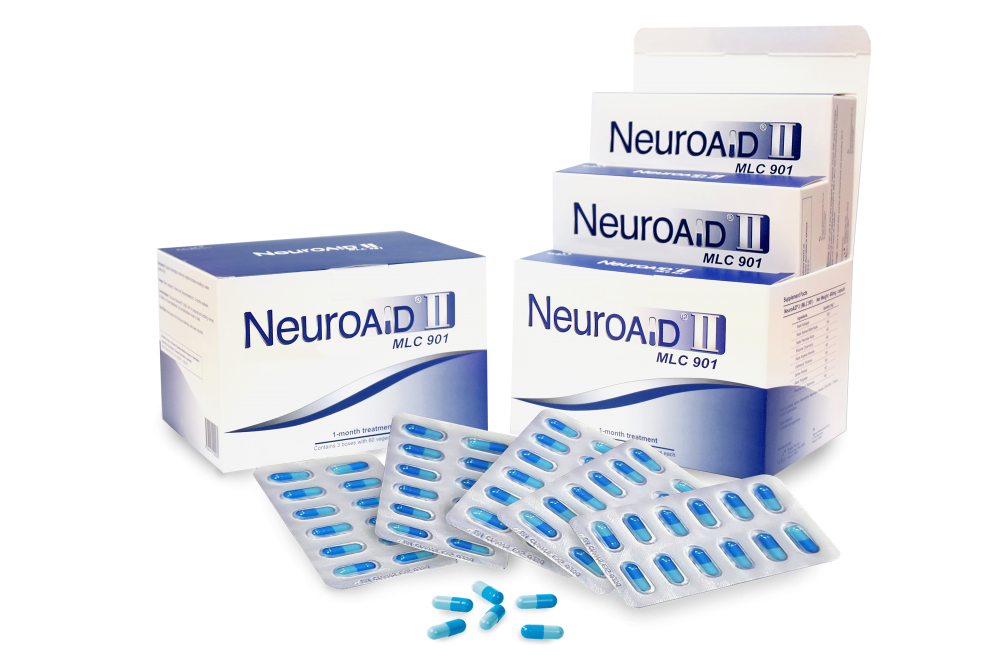
If you would like more information about NeuroAiD II, please fill out this contact form.
"*" indicates required fields


