
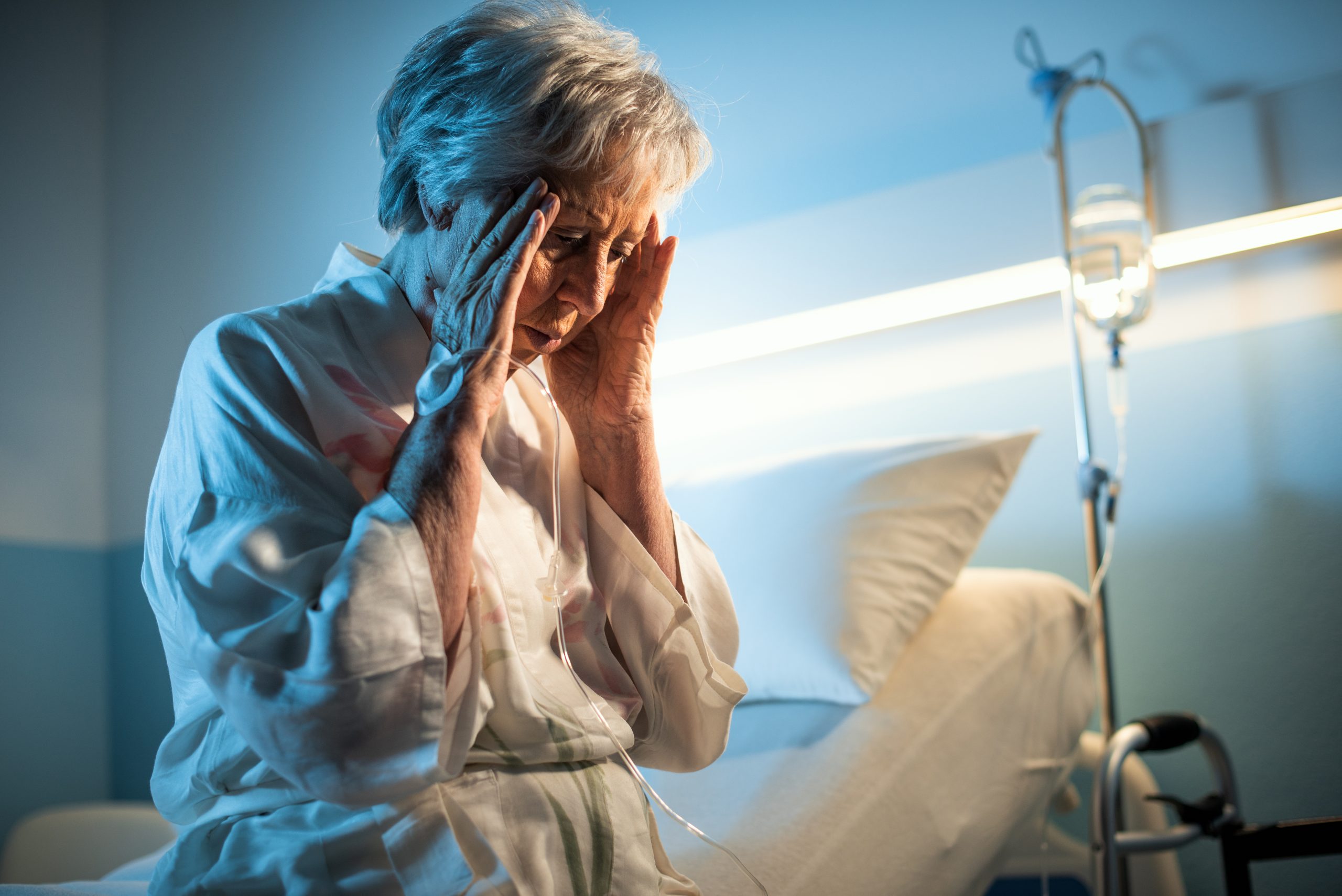

Post-stroke depression is one of the most common sequelae following a cerebrovascular accident. This condition affects not only the patient’s mood, but also their recovery capacity, motivation, and overall quality of life. It is estimated that between 30% and 50% of individuals who have experienced a stroke develop some degree of depression in the months following the event, making it a significant clinical and social challenge.
What is post-stroke depression
Post-stroke depression is defined as a mood disorder that occurs after a cerebrovascular accident, whether ischemic or hemorrhagic. It is characterized by persistent feelings of sadness, loss of interest in daily activities, lack of energy, and difficulty maintaining motivation during the rehabilitation process.
Unlike a transient emotional reaction to the impact of the disease, post-stroke depression is driven by a combination of biological, psychological, and social factors triggered after brain injury.
Causes and risk factors
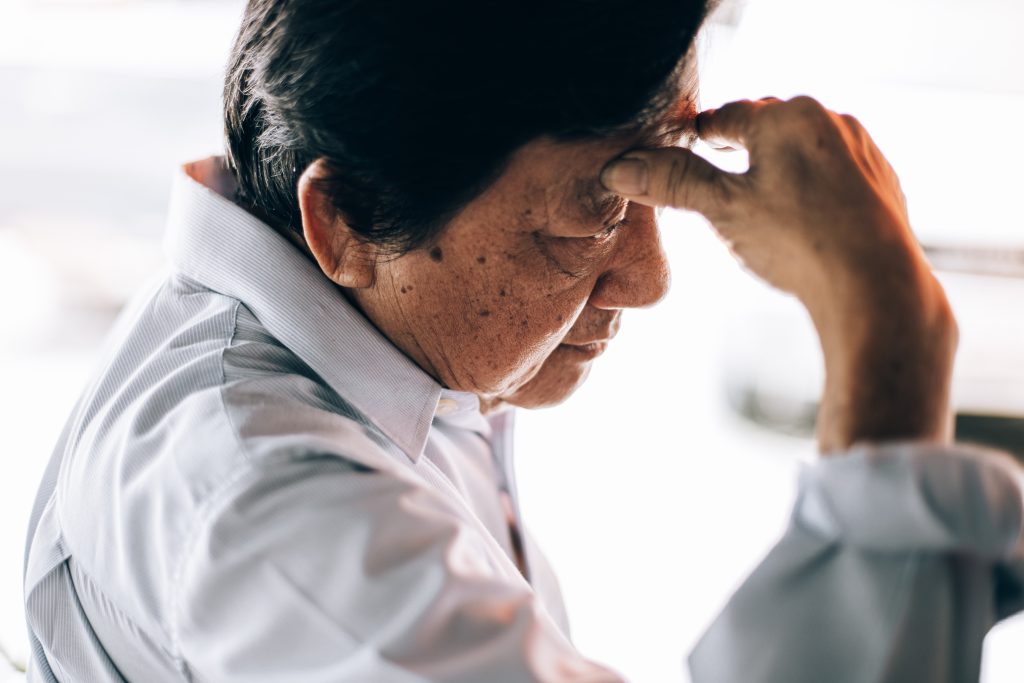
Post-stroke depression arises from the interaction of multiple factors:
-
Biological factors
-
Lesions in brain regions involved in mood regulation, such as the frontal cortex and basal ganglia.
-
Alterations in neurotransmitters such as serotonin, dopamine, and norepinephrine.
-
Inflammatory processes and neurochemical changes following the stroke.
-
-
Psychological factors
-
Emotional impact of loss of autonomy.
-
Anxiety related to motor, cognitive, or language deficits.
-
Difficulty accepting a new identity shaped by disability.
-
-
Social factors
-
Isolation due to physical limitations or communication difficulties.
-
Lack of family support or strong social networks.
-
Financial difficulties resulting from work incapacity.
-
-
Clinical factors
-
History of depression or previous psychiatric disorders.
-
More severe stroke with prolonged hospitalization.
-
Presence of associated chronic conditions, such as hypertension or diabetes.
-
Symptoms of post-stroke depression
The most common symptoms include:
-
Persistent sadness and a feeling of emptiness.
-
Loss of interest in previously enjoyable activities.
-
Severe fatigue and reduced energy.
-
Sleep disturbances, including insomnia or hypersomnia.
-
Changes in appetite and body weight.
-
Difficulties with concentration and memory.
-
Feelings of hopelessness, worthlessness, or guilt.
-
Thoughts of death or suicidal ideation in severe cases.
One of the main challenges is that these symptoms can be mistaken for stroke-related sequelae, such as post-stroke fatigue or cognitive impairment, which makes early diagnosis more difficult.
Impact on recovery
Post-stroke depression is not only an emotional issue, but also directly impacts the rehabilitation process:
-
Reduced participation in therapy: depressed patients are more likely to disengage from rehabilitation programs.
-
Worse functional outcomes: recovery of motor, cognitive, and language functions is delayed.
-
Increased risk of medical complications: healthy habits are affected, which raises the risk of recurrent events.
-
Increased mortality: post-stroke depression is associated with a higher risk of death, both from medical causes and suicide.
Diagnosis
To detect post-stroke depression, clinical assessments and standardized scales are used, such as the Hamilton Depression Rating Scale or the Hospital Anxiety and Depression Scale (HADS). Evaluation should be carried out by a multidisciplinary team including neurologists, psychiatrists, psychologists, and rehabilitation specialists.
Treatment of post-stroke depression
Treatment requires a comprehensive approach that combines pharmacological therapy, psychotherapy, physical rehabilitation, and social support.
-
Pharmacological treatment
-
Selective serotonin reuptake inhibitors (SSRIs) are the most commonly used, such as sertraline or fluoxetine.
-
Serotonin and norepinephrine reuptake inhibitors may also be useful in some cases.
-
The choice of medication should take into account potential interactions with other treatments the patient is receiving after the stroke.
-
-
Psychotherapy
-
Cognitive behavioral therapy helps modify negative thought patterns and improve motivation.
-
Supportive therapy promotes adaptation to the new life situation.
-
Group therapies allow patients to share experiences and reduce social isolation.
-
-
Physical and occupational rehabilitation
-
Adapted physical exercise improves mood by stimulating the release of endorphins.
-
Occupational activities provide a sense of achievement and autonomy.
-
-
Family and social support
-
Active family involvement in the recovery process is essential.
-
Caregiver education helps identify signs of depression and provide emotional support.
-
Participation in stroke patient support groups promotes resilience.
-
-
Complementary therapies
-
Music therapy, art therapy, and animal-assisted therapy have shown positive effects in reducing depressive symptoms.
-
New techniques such as transcranial magnetic stimulation are being investigated with promising results.
-
Prevention
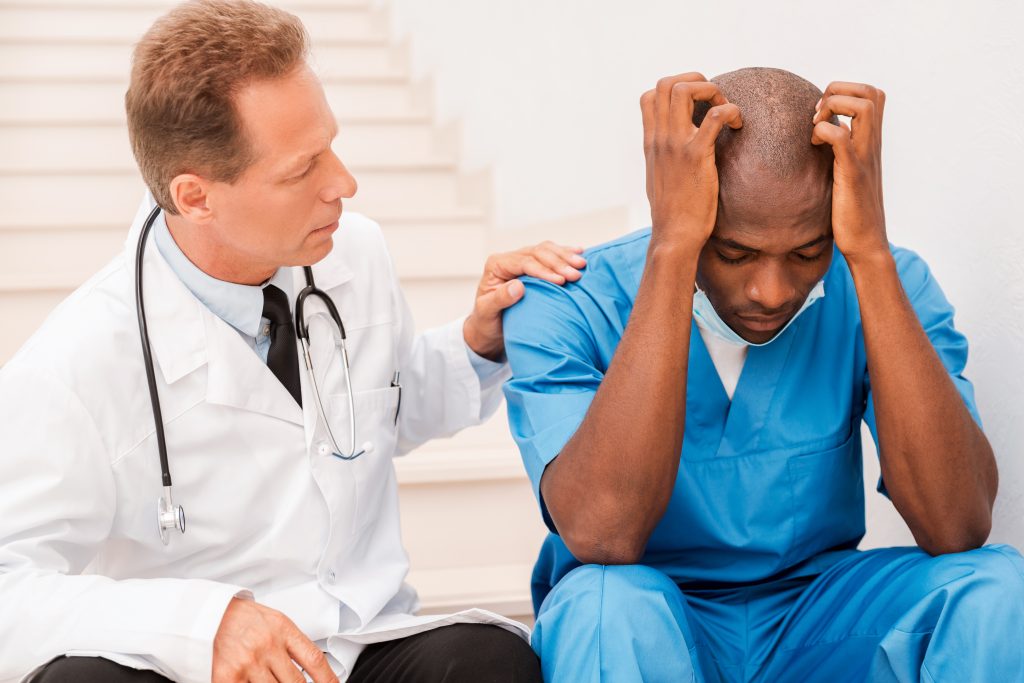
Although it is not always possible to prevent post-stroke depression, there are preventive strategies:
-
Regularly assess the emotional status of all patients after a stroke.
-
Initiate rehabilitation as early as possible with a motivating approach.
-
Establish psychological support programs starting from the hospital phase.
-
Promote social interaction and participation in community activities.
Conclusion
Post-stroke depression is a common and complex condition with a significant impact on the lives of patients and their families. Early detection and a comprehensive approach help improve adherence to rehabilitation, promote functional recovery, and reduce the risk of complications.
In summary, addressing post-stroke depression should not be considered a secondary aspect of treatment, but rather an essential component of the comprehensive care of patients who have experienced a cerebrovascular accident.
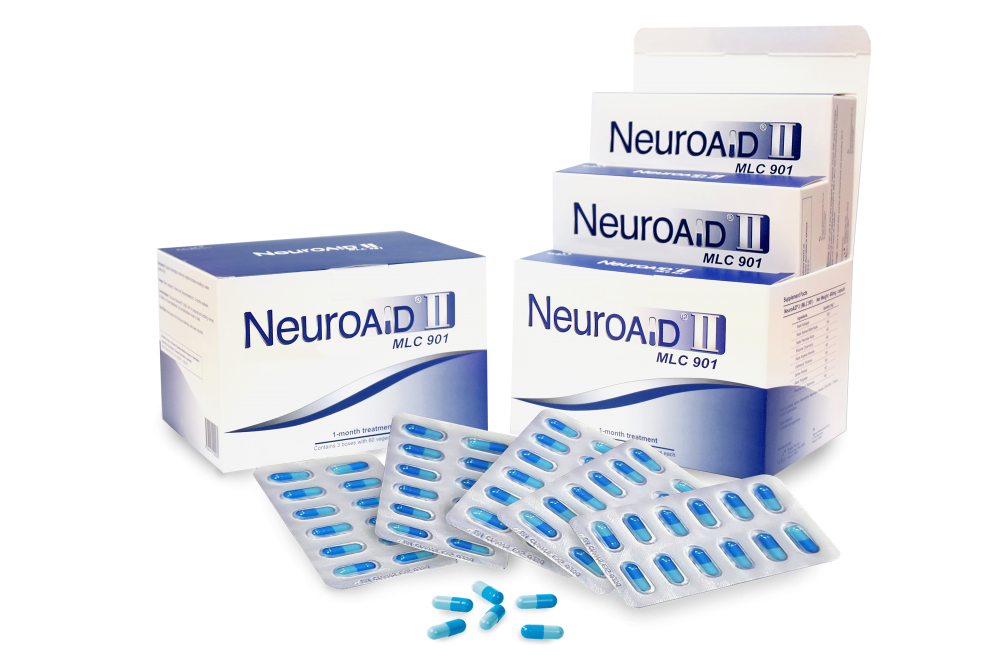
If you would like more information about NeuroAiD II, please fill out this contact form.
"*" indicates required fields


