



The lipid profile is one of the most commonly used tests in preventive and clinical medicine to assess cardiovascular and cerebrovascular risk. It is a laboratory analysis that measures the concentrations of total cholesterol, LDL cholesterol, HDL cholesterol, and triglycerides in the blood. These parameters provide a comprehensive view of lipid metabolism and help determine whether there is an appropriate balance between lipoproteins that protect blood vessels and those that may damage them.
Cerebrovascular health largely depends on a balanced lipid profile. Alterations in these parameters, particularly elevated LDL cholesterol or triglycerides and reduced HDL cholesterol, are associated with an increased risk of ischemic stroke, intracerebral hemorrhage, and cognitive decline.
What is a lipid profile?

A lipid profile is a blood test that measures different types of lipids in the bloodstream:
-
Total cholesterol: reflects the overall amount of cholesterol present in the plasma.
-
LDL cholesterol: also known as bad cholesterol, it transports cholesterol from the liver to the tissues and is associated with atherosclerosis.
-
HDL cholesterol: known as good cholesterol, it removes excess cholesterol from the tissues and transports it back to the liver for elimination.
-
Triglycerides: they are the main form of fat storage in the body, and elevated levels are associated with insulin resistance and vascular damage.
The interpretation of the lipid profile is not limited to each value individually, but requires evaluation of their ratios, as the interaction between these fractions determines the overall impact on vascular health and, in particular, on cerebral circulation.
Relationship between lipid profile and cerebrovascular health
An altered lipid profile can have direct consequences on the brain. Elevated levels of LDL cholesterol and triglycerides promote the formation of atherosclerotic plaques in the carotid and cerebral arteries, which restricts blood flow and increases the risk of stroke. Conversely, low levels of HDL cholesterol reduce the ability to remove excess cholesterol, weakening the natural protective mechanism against vascular damage.
The lipid profile therefore becomes a key tool for predicting cerebrovascular risk. An appropriate balance between lipoproteins ensures proper cerebral perfusion, while prolonged abnormalities may trigger both acute events and progressive cognitive decline.
Lipid profile and cerebral atherosclerosis
Atherosclerosis is the accumulation of cholesterol, lipids, and inflammatory cells within the arterial wall. When the lipid profile shows elevated LDL cholesterol and high triglyceride levels, the atherosclerotic process accelerates. These plaques may develop in arteries supplying the brain, such as the carotid arteries, reducing blood flow and increasing the risk of cerebral ischemia.
Moreover, when an atherosclerotic plaque ruptures, it can release fragments that travel as emboli to the brain, causing a sudden cerebral infarction. In this context, monitoring the lipid profile becomes a primary prevention strategy to avoid these complications.
Lipid profile and cognitive decline
The lipid profile is also linked to cognitive decline and neurodegenerative diseases. Recent studies have shown that elevated LDL cholesterol and low HDL cholesterol are associated with increased accumulation of beta-amyloid in the brain, a protein linked to Alzheimer’s disease. Additionally, high triglyceride levels are associated with chronic neuroinflammation and a higher likelihood of developing vascular dementia.
A healthy lipid profile not only protects against stroke, but also helps preserve memory, concentration, and learning capacity throughout life.
Factors that affect the lipid profile
There are multiple factors that can modify the lipid profile and, consequently, affect cerebrovascular health:
-
Unhealthy diet: diets high in saturated fats, trans fats, and refined sugars increase LDL cholesterol and triglyceride levels.
-
Sedentary lifestyle: lack of physical activity reduces HDL cholesterol levels and promotes an increase in blood lipids.
-
Obesity: excess body weight is directly associated with an unfavorable lipid profile.
-
Smoking: tobacco use reduces HDL cholesterol levels and exacerbates endothelial damage.
-
Genetic factors: some individuals present with familial hypercholesterolemia or inherited disorders of lipid metabolism.
-
Diabetes mellitus: insulin resistance alters the lipid profile composition, increasing triglyceride levels and reducing HDL cholesterol.
Strategies to improve the lipid profile
A healthy lipid profile can be achieved through a combination of lifestyle modifications and, in some cases, medical treatment.
-
Balanced diet
Following a diet rich in fruits, vegetables, legumes, whole grains, and fatty fish significantly improves the lipid profile. The intake of omega-3 fatty acids helps reduce triglyceride levels and increase HDL cholesterol. -
Regular physical activity
Engaging in aerobic exercise, such as walking, swimming, or cycling, for at least 150 minutes per week increases HDL cholesterol and reduces LDL cholesterol. -
Body weight management
Weight loss in individuals with obesity improves the balance of blood lipids and reduces systemic inflammation that affects the brain. -
Smoking cessation and alcohol reduction
Smoking cessation and moderation of alcohol intake have a positive impact on the lipid profile and reduce the risk of vascular damage. -
Pharmacological treatment
When lifestyle measures are not sufficient, medications such as statins, fibrates, ezetimibe, or PCSK9 inhibitors are used. These act on different components of the lipid profile and provide additional protection against cerebrovascular events.
Lipid profile as a marker of cerebrovascular health
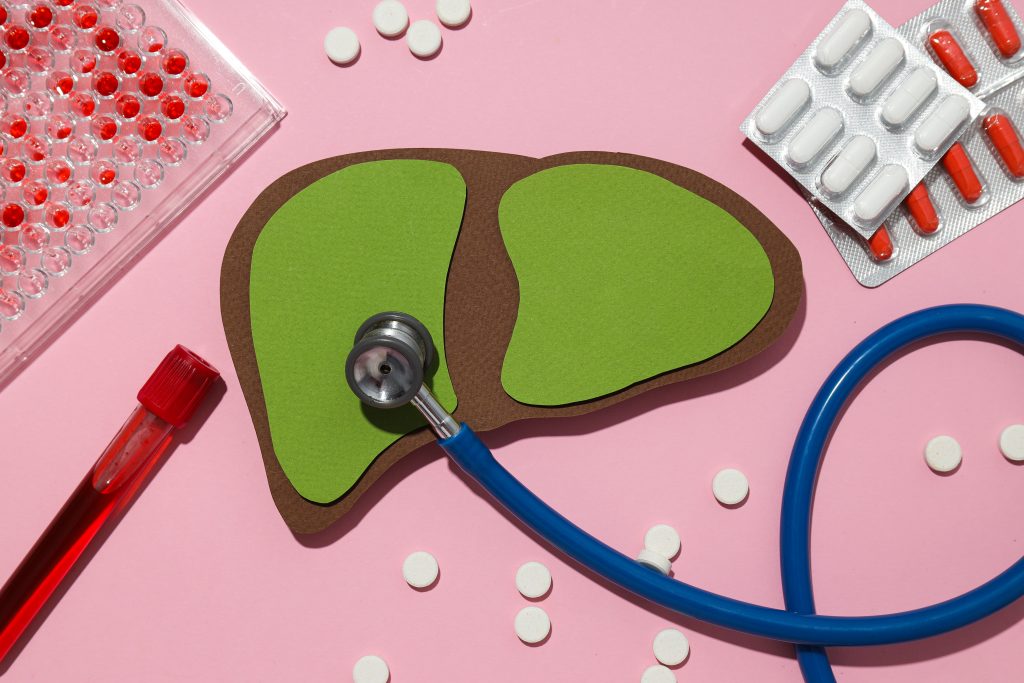
The analysis of the lipid profile should not be viewed merely as a routine test, but as a predictive marker of cerebrovascular health status. Early detection of imbalances in lipoproteins and triglycerides allows for the implementation of preventive measures that can be life-saving. In individuals with a family history of stroke or cardiovascular disease, the lipid profile becomes even more valuable as a tool for periodic monitoring.
Research perspectives
Research on the lipid profile and cerebrovascular health continues to advance. New studies focus not only on the quantity of lipoproteins but also on their functional quality. For example, it has been shown that not all HDL cholesterol has the same protective capacity, opening the way for more specific testing in the future. Targeted therapies aimed at improving lipid profile functionality are also being developed, with the goal of providing more effective cerebral protection.
Conclusion
The lipid profile is an essential indicator of cerebrovascular health. Its different components directly influence the risk of atherosclerosis, stroke, and cognitive decline. Maintaining a balanced lipid profile through a healthy diet, regular physical activity, weight management, and the elimination of harmful habits represents one of the most effective measures to preserve brain health.
Periodic evaluation of the lipid profile not only helps prevent cardiovascular complications, but also provides a practical strategy to protect cognitive function and support healthy brain aging. Ultimately, maintaining a healthy lipid profile is synonymous with preserving the integrity of cerebral arteries and ensuring a better quality of life in the long term.
If you would like more information about NeuroAiD II, please fill out this contact form.
"*" indicates required fields


