



Corona radiata infarction is a type of stroke affecting a region composed of numerous nerve fibers that transmit information between the cerebral cortex and deeper brain structures, the brainstem, and the spinal cord. Because of this function, a lesion in the corona radiata can cause impairments in movement, sensation, language, or coordination, depending on the area involved.
Although these infarcts are often small, their functional impact can be significant due to the high concentration of neural pathways passing through this region.
What is the corona radiata?
The corona radiata is a fan-shaped bundle of white matter fibers that connects the cerebral cortex with the internal capsule and other deep structures of the nervous system.
These fibers carry neural signals involved in:
- Voluntary movement.
- Sensory processing.
- Language.
- Motor planning.
- Various cognitive functions.
When blood flow to this region is interrupted, an infarction can occur, disrupting the transmission of these neural signals.
What causes a corona radiata infarction?
The cause is an interruption of blood flow through the small arteries that supply this region of the brain.
The resulting reduction in oxygen and nutrient delivery damages the nerve fibers, disrupting communication between different regions of the brain.
Causes
The most common causes include:
- Cerebral small vessel disease.
- Arterial hypertension.
- Diabetes mellitus.
- Atherosclerosis.
- Cardioembolic stroke.
- Coagulation disorders.
- Other less common vascular diseases.
Many corona radiata infarctions are lacunar infarcts associated with involvement of small perforating arteries.
Symptoms of corona radiata infarction
Symptoms depend on the precise location of the lesion and the nerve fibers involved.
The most common clinical manifestations include:
- Weakness on one side of the body.
- Reduced sensation.
- Loss of dexterity in the hand or arm.
- Difficulty walking.
- Speech disturbances when the dominant hemisphere is affected.
- Impaired coordination.
- Slowness of movement.
In some patients, symptoms may be mild, while in others they can result in significant disability.
Association with stroke
Corona radiata infarction is a form of ischemic stroke.
Because it affects a region where numerous neural pathways converge, relatively small lesions can produce neurological deficits that are disproportionate to their size.
How is a corona radiata infarction diagnosed?
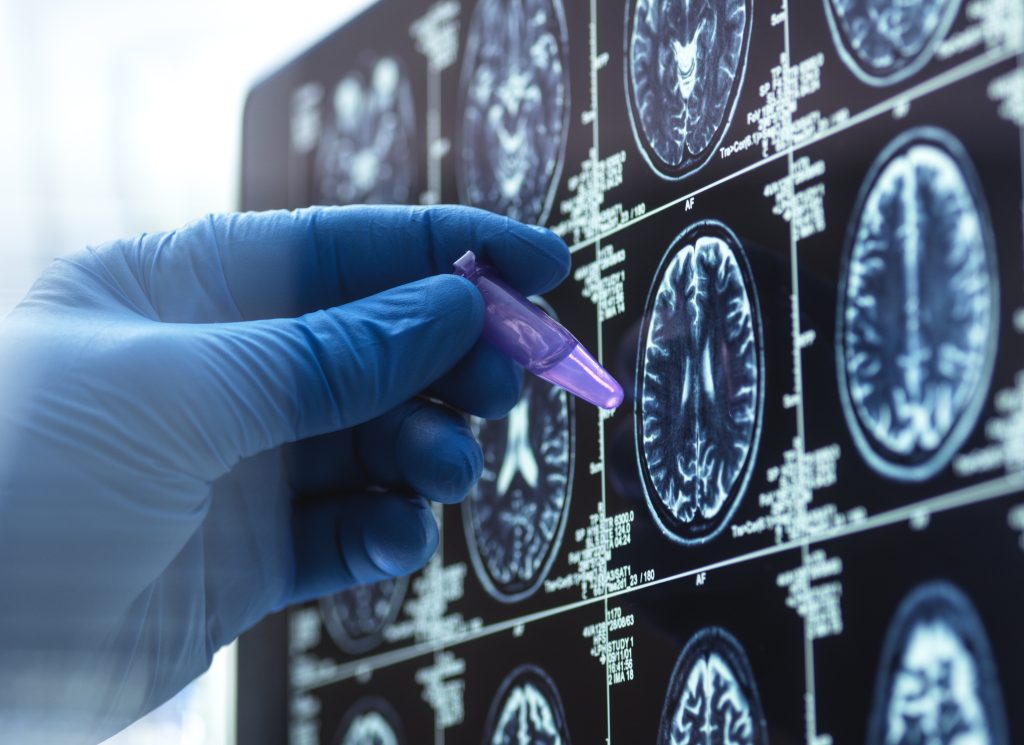
Diagnosis is based on clinical assessment and neuroimaging studies.
The most commonly used diagnostic techniques include:
- Brain magnetic resonance imaging (MRI).
- Computed tomography (CT).
- CT angiography (CTA).
- Magnetic resonance angiography (MRA).
- Vascular studies when indicated.
MRI generally provides greater sensitivity for detecting infarcts located in the deep cerebral white matter.
Treatment

Treatment depends on the underlying mechanism of the stroke and follows established guidelines for the management of ischemic stroke.
After the acute phase, many patients may benefit from rehabilitation programs aimed at recovering motor, sensory, and language functions when these have been affected.
The treatment approach should be tailored to the individual characteristics and needs of each patient.
Prognosis
The prognosis varies depending on several factors, including:
- The size of the infarction.
- The precise location of the lesion.
- How quickly treatment was initiated.
- The underlying cause of the stroke.
- The response to rehabilitation.
Some patients experience significant functional recovery, while others may have persistent neurological deficits.
Conclusion
Corona radiata infarction is a type of stroke that affects one of the brain’s major neural communication pathways. Although the lesion may be small, its strategic location can result in motor, sensory, or language impairments. Understanding the role of the corona radiata helps explain why certain infarcts can produce significant neurological symptoms even when they involve relatively small areas of brain tissue.
If you need information about NeuroAiD II, please complete this contact form
"*" indicates required fields


