

Cryptogenic stroke is a type of stroke for which the underlying cause cannot be identified with certainty after a comprehensive medical evaluation. Although it accounts for a significant proportion of all ischemic strokes, it remains a challenge for specialists because of the difficulty in determining the origin of the event and, consequently, selecting the most appropriate strategy to prevent recurrence.
What is a cryptogenic stroke?
A cryptogenic stroke is an ischemic stroke for which the underlying cause remains unknown even after standard diagnostic investigations, such as brain imaging, vascular assessment, blood tests, and cardiac evaluation.
In other words, the patient has a confirmed stroke, but the mechanism responsible for the interruption of blood flow to part of the brain cannot be reliably identified.
It is estimated that approximately 20% to 30% of ischemic strokes may initially be classified as cryptogenic.
Why does a cryptogenic stroke occur?
The term “cryptogenic” does not mean that the stroke has no cause, but rather that its cause could not be established using the available diagnostic methods.
Potential underlying causes include:
- Undetected brief episodes of atrial fibrillation.
- Coagulation disorders.
- Patent foramen ovale (PFO).
- Small vessel disease that is difficult to detect.
- Atherosclerosis not identified during the initial diagnostic evaluation.
- Rare inflammatory or autoimmune disorders.
- Embolism of as yet undetermined origin.
In many patients, subsequent investigations may eventually identify the underlying cause of the stroke.
Risk factors
Although the specific cause is unknown, the risk factors are generally similar to those associated with other types of stroke:
- Hypertension.
- Diabetes mellitus.
- High cholesterol.
- Smoking.
- Obesity.
- Physical inactivity.
- Advanced age.
- Cardiovascular disease.
- Family history of stroke.
Reducing these risk factors remains a fundamental component of stroke prevention.
Symptoms of cryptogenic stroke
The symptoms are the same as those of any other ischemic stroke and occur suddenly.
The most common include:
- Weakness in an arm or leg.
- Facial drooping.
- Difficulty speaking or understanding language.
- Loss of sensation on one side of the body.
- Difficulty walking or maintaining balance.
- Sudden visual disturbances.
- Sudden onset of severe dizziness.
- Severe headache in some cases.
If any of these symptoms occur, urgent medical attention should be sought.
How is it diagnosed?
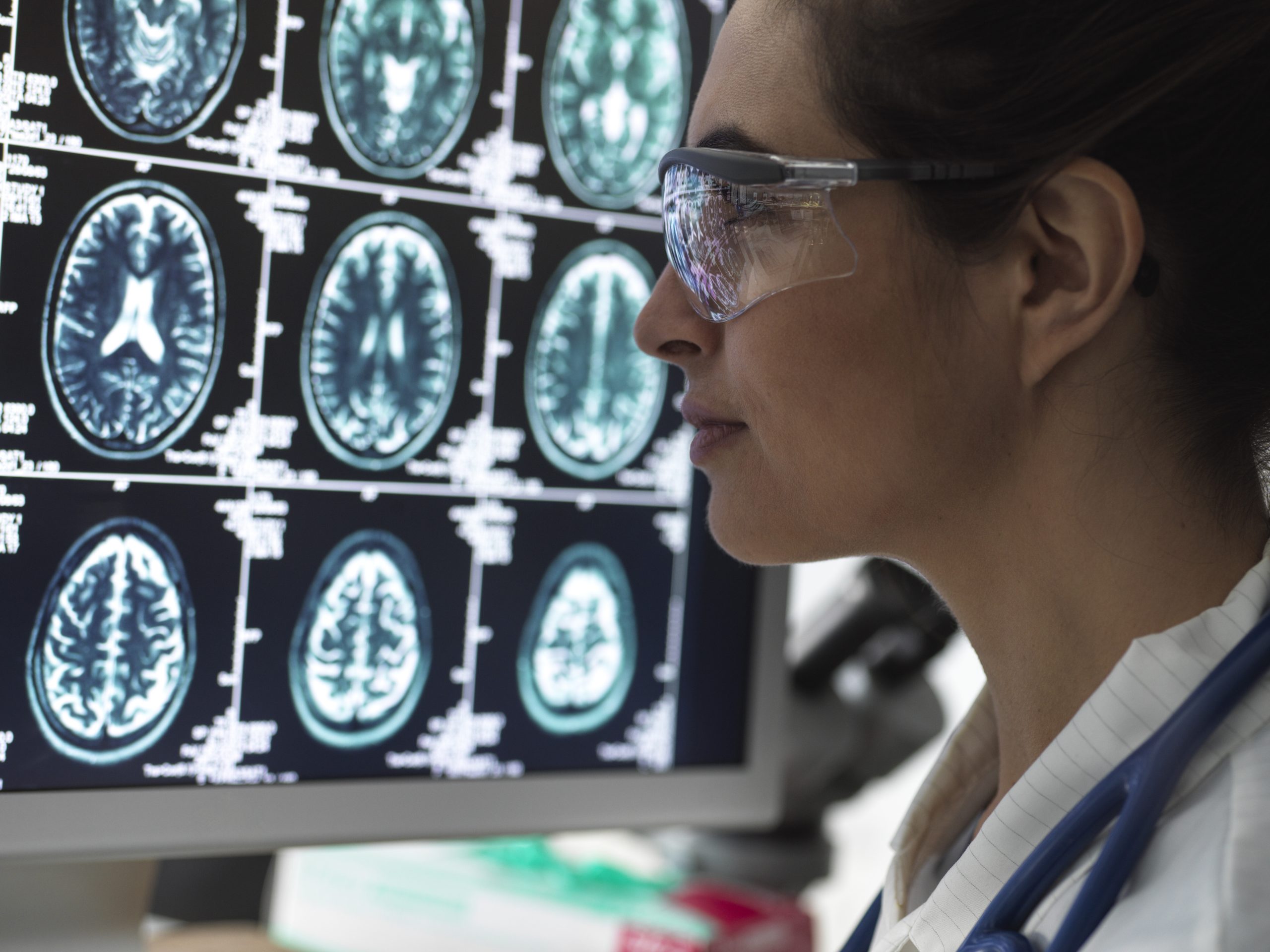
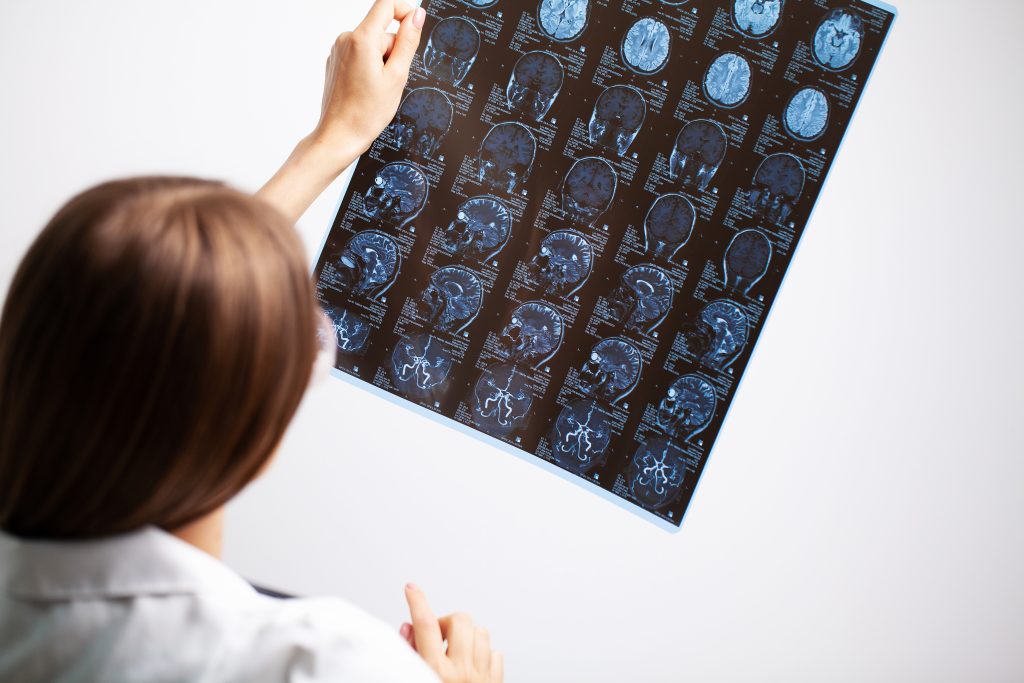
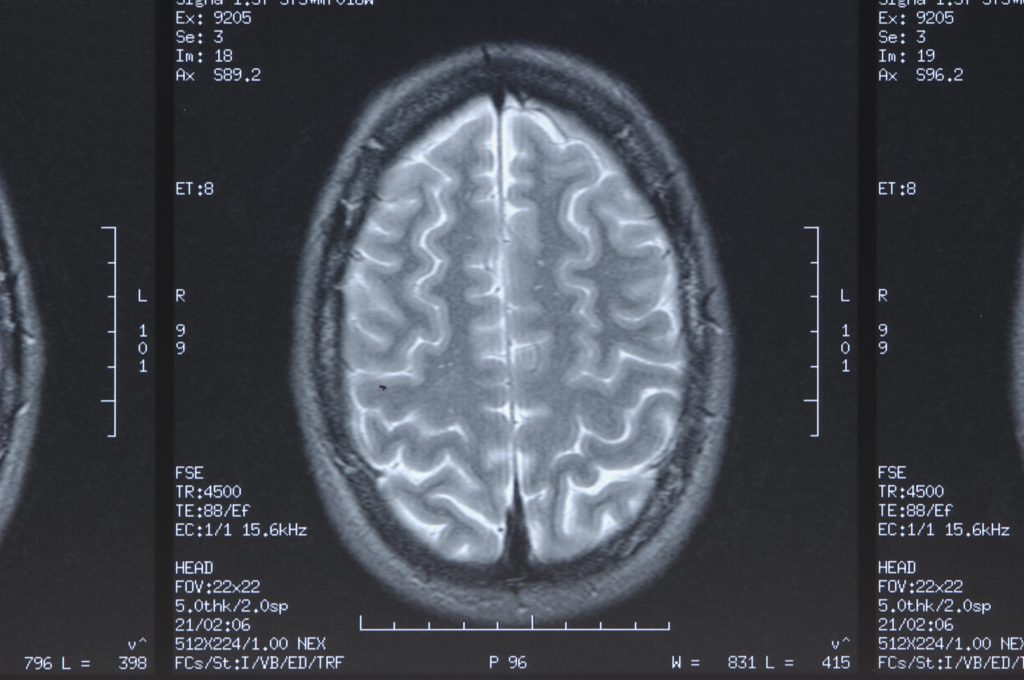
The diagnosis begins by confirming that a stroke has occurred through brain imaging.
Further investigations are then performed to identify the underlying cause.
The most commonly used diagnostic tests include:
- Computed tomography (CT).
- Magnetic resonance imaging (MRI).
- CT angiography (CTA) or magnetic resonance angiography (MRA).
- Carotid Doppler ultrasound.
- Electrocardiogram (ECG).
- Echocardiogram.
- Prolonged cardiac rhythm monitoring.
- Specific blood tests.
If none of these investigations identifies a clear underlying cause, the event may be classified as a cryptogenic stroke.
The importance of cardiac monitoring
One of the most common findings following an initial diagnosis of cryptogenic stroke is the subsequent detection of atrial fibrillation.
This arrhythmia may occur intermittently and go undetected on a conventional electrocardiogram.
For this reason, some patients use cardiac monitoring devices for several weeks or even months to detect episodes that may help explain the underlying cause of the stroke.
Treatment
Treatment depends on the individual characteristics of each patient.
During the acute phase, the same treatment strategies used for other ischemic strokes may be considered when indicated and within the appropriate treatment window.
Subsequently, treatment generally includes measures aimed at reducing the risk of recurrent events.
These may include:
- Antiplatelet therapy, as determined by the treating physician.
- Strict blood pressure control.
- Cholesterol management.
- Diabetes management.
- Smoking cessation.
- A healthy diet.
- Adapted physical exercise.
- Rehabilitation when neurological sequelae are present.
If a specific underlying cause is subsequently identified, the treatment may be modified accordingly.
Can it recur?
Yes. As with other types of stroke, there is a risk of recurrence.
Because the underlying cause is initially unknown, regular medical follow-up and completion of any additional tests recommended by the specialist are particularly important.
In some patients, the cause is identified months after the initial event, allowing preventive treatment to be adjusted accordingly.
Recovery
Recovery primarily depends on:
- The size of the brain lesion.
- The brain region affected.
- How quickly treatment was initiated.
- The patient’s age.
- The patient’s overall health.
- The intensity of the rehabilitation program.
Many people experience progressive improvements during the first few months as a result of neuroplasticity and continued rehabilitation.
Can it be prevented?
Although it is not always possible to prevent a cryptogenic stroke, controlling cardiovascular risk factors can significantly reduce the risk of stroke.
General recommendations include:
- Controlling high blood pressure.
- Maintaining healthy cholesterol levels.
- Properly managing diabetes.
- Avoiding smoking.
- Limiting alcohol consumption.
- Maintaining a healthy weight.
- Engaging in regular physical activity.
- Attending recommended medical check-ups.
Conclusion
Cryptogenic stroke is a type of stroke for which the underlying cause cannot initially be determined despite a comprehensive medical evaluation. Although this uncertainty can be concerning, advances in diagnostic techniques are making it possible to identify the underlying cause in an increasing number of patients during follow-up.
Early diagnosis, management of risk factors, and appropriate rehabilitation are essential for reducing the risk of recurrent events and promoting functional recovery.
If you need information about NeuroAiD II, you can fill out this contact form
"*" indicates required fields


