


A vertebrobasilar stroke is a type of stroke that affects the posterior circulation of the brain, a region responsible for controlling essential functions such as balance, coordination, vision, breathing, and consciousness. Although it accounts for a smaller proportion of strokes compared with those affecting the anterior circulation, it can have serious consequences if not diagnosed and treated promptly.
What is a vertebrobasilar stroke?
A vertebrobasilar stroke occurs when blood flow through the vertebral arteries or the basilar artery is interrupted. These arteries form part of the posterior circulation of the brain and supply blood to essential structures such as:
- The brainstem.
- The cerebellum.
- The occipital lobes.
- Part of the thalamus.
When one of these arteries becomes blocked or ruptures, brain cells no longer receive oxygen and nutrients, which can lead to neurological damage.
Anatomy of the vertebrobasilar system

The two vertebral arteries ascend through the neck and join at the base of the brain to form the basilar artery.
Several branches arise from the basilar artery and supply different brain structures responsible for vital functions such as:
- Breathing.
- Heart rate.
- Balance.
- Coordination of movement.
- Eye movements.
- Vision.
For this reason, a vertebrobasilar stroke can cause symptoms that are very different from those of other types of stroke.
Causes of vertebrobasilar stroke
The most common causes include:
- Atherosclerosis of the vertebral or basilar arteries.
- Formation of blood clots.
- Emboli originating from the heart.
- Vertebral artery dissection.
- High blood pressure.
- Blood vessel disorders.
- Blood clotting disorders.
In younger people, one of the most important causes is vertebral artery dissection, which can occur following neck trauma or sudden neck movements.
Risk factors
The risk factors are similar to those of other types of stroke:
- High blood pressure.
- Diabetes mellitus.
- High cholesterol.
- Smoking.
- Obesity.
- Physical inactivity.
- Atrial fibrillation.
- Advanced age.
- Cardiovascular disease.
Controlling these risk factors significantly reduces the risk of having a stroke.
Symptoms of vertebrobasilar stroke
The symptoms can vary depending on the area affected, but some are particularly characteristic.
Severe dizziness
One of the most common symptoms is sudden-onset dizziness, which may be accompanied by a spinning sensation or unsteadiness.
Balance problems
Many people have difficulty walking or standing.
Double vision
Diplopia, or double vision, is a relatively common sign when the nerves that control eye movements are affected.
Visual disturbances
It may also cause:
- Blurred vision.
- Partial loss of the visual field.
- Difficulty focusing.
Difficulty speaking
Some patients experience dysarthria, which is difficulty pronouncing words correctly.
Difficulty swallowing
Dysphagia can increase the risk of aspiration and requires early medical assessment.
Weakness
Loss of strength may occur on one or both sides of the body.
Altered level of consciousness
In the most severe cases, extreme drowsiness, confusion, or loss of consciousness may occur.
How is it diagnosed?

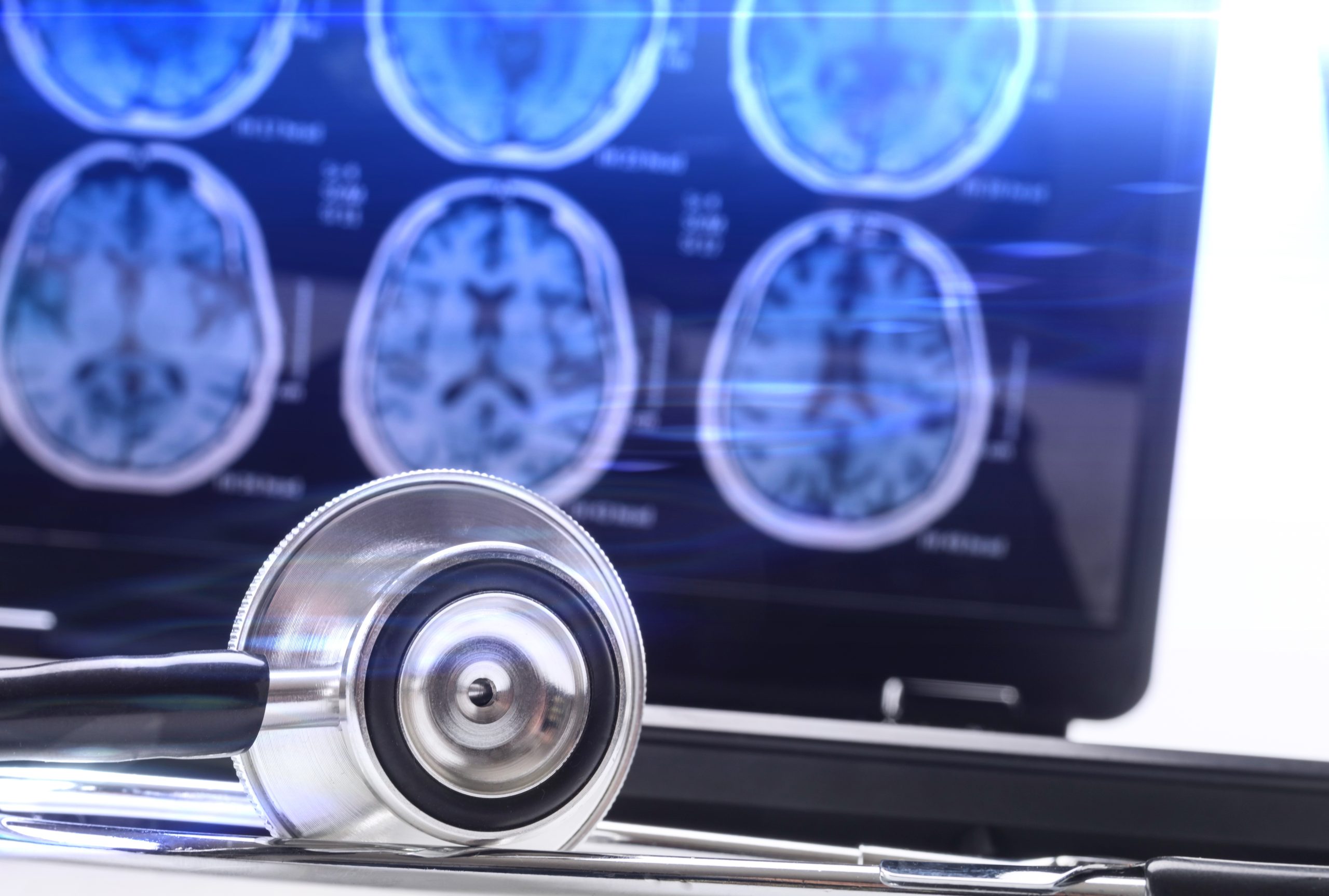
Diagnosis begins with a comprehensive neurological examination and imaging tests.
The most commonly used tests include:
- Computed tomography (CT).
- Magnetic resonance imaging (MRI).
- CT angiography (CTA).
- Magnetic resonance angiography (MRA).
- Doppler ultrasound of the vertebral arteries.
- Cardiac tests to identify a possible embolic source.
In some cases, posterior circulation lesions can be difficult to detect on a CT scan performed very shortly after the onset of symptoms, so additional imaging studies may be required.
Treatment
Treatment depends on the type of stroke and the time elapsed since the onset of symptoms.
When the stroke is ischemic and the patient meets certain criteria, treatments aimed at restoring blood flow may be used.
Subsequently, treatment usually focuses on:
- Preventing further strokes.
- Managing risk factors.
- Starting a rehabilitation program.
- Treating potential complications.
Each patient requires an individualized treatment plan.
Rehabilitation
Rehabilitation plays a key role in recovery.
Depending on the long-term effects, it may include:
- Physiotherapy to improve mobility and balance.
- Occupational therapy to help regain independence.
- Speech and language therapy to improve speech and swallowing.
- Vestibular rehabilitation when balance problems persist.
The intensity and duration of treatment will depend on each person’s individual needs.
Prognosis
The prognosis varies considerably.
Some patients make an almost complete recovery, while others may develop permanent long-term effects.
Recovery depends on several factors, including:
- The size of the affected area.
- How quickly treatment was initiated.
- Age.
- Overall health.
- The exact location of the lesion.
Early treatment significantly improves the chances of recovery.
Conclusion
A vertebrobasilar stroke affects the posterior circulation of the brain and can compromise essential functions such as balance, coordination, vision, and consciousness. Its symptoms may differ from those seen in other types of stroke, making early recognition essential. Prompt diagnosis, appropriate treatment, and a rehabilitation program tailored to each patient are key factors in improving prognosis and supporting functional recovery.
If you need information about NeuroAiD II, please complete this contact form
"*" indicates required fields


