

The internal capsule of the brain is one of the most important structures of the nervous system. Although it is often unfamiliar to those without a background in brain anatomy, it plays an essential role in transmitting information between the cerebral cortex, brainstem, and spinal cord. When this region is damaged, significant impairments in movement, sensation, and even speech may occur.
What is the internal capsule of the brain?
The internal capsule of the brain is a band of white matter composed of millions of nerve fibers. These fibers act as a communication “highway,” connecting different areas of the brain with the rest of the nervous system.
It is located between deep brain structures, primarily the caudate nucleus, thalamus, and lentiform nucleus. Its main function is to transmit motor and sensory signals rapidly and in a coordinated manner.
This structure enables voluntary movement, the perception of bodily sensations, and the coordination of many complex neurological functions.
Anatomy of the internal capsule
The internal capsule is divided into several regions, each with specific functions:
- Anterior limb.
- Genu (knee of the internal capsule).
- Posterior limb.
- Retrolenticular portion.
- Sublenticular portion.
Each region contains different nerve tracts responsible for transmitting information to different parts of the body.
For example:
- The posterior limb contains fibers responsible for voluntary movement of the arms and legs.
- The genu contains fibers associated with the muscles of the face and swallowing.
- The posterior regions are involved in transmitting visual and auditory information.
Function of the internal capsule of the brain
The main function of the internal capsule is to connect the brain with the rest of the body.
Its main functions include:
- Transmitting motor commands from the cerebral cortex to the muscles.
- Carrying sensory information from the body to the brain.
- Contributing to the coordination of movement.
- Helping control posture and balance.
- Participating in certain processes related to language and swallowing.
Proper functioning of the internal capsule allows brain signals to reach the muscles rapidly and sensory information to be processed efficiently.
What happens when the internal capsule is damaged?
Because of the large number of nerve fibers passing through this small region, a lesion can cause significant symptoms even when the affected area is relatively small.
The most common causes include:
- Stroke.
- Cerebral hemorrhage.
- Traumatic brain injury.
- Tumors.
- Demyelinating diseases.
- Rare inflammatory conditions.
Stroke is the most common cause of damage to the internal capsule.
Symptoms of internal capsule damage
The symptoms depend on the area affected and the extent of the damage, although some are particularly common.
Weakness or paralysis
The lesion may cause weakness or loss of strength on the opposite side of the body (hemiparesis or hemiplegia), affecting the arm, leg, and, in some cases, the face.
Sensory disturbances
It is possible to experience:
- Tingling.
- Numbness.
- Reduced sensation.
- Impaired perception of temperature or pain.
Speech difficulties
When fibers associated with the facial muscles are affected, difficulty articulating words (dysarthria) may occur.
Difficulty walking
Loss of strength and coordination can make walking and maintaining balance difficult.
Spasticity
Over the following weeks or months, some people develop muscle stiffness and increased muscle tone.
Stroke affecting the internal capsule
Lacunar infarctions are one of the types of stroke that most commonly affect the internal capsule.
These small infarctions are caused by the occlusion of deep perforating arteries in the brain.
Although they are usually small, they can cause significant motor deficits due to the high concentration of nerve fibers passing through this structure.
In some patients, motor symptoms predominate, while others may also experience sensory disturbances.
Diagnosis
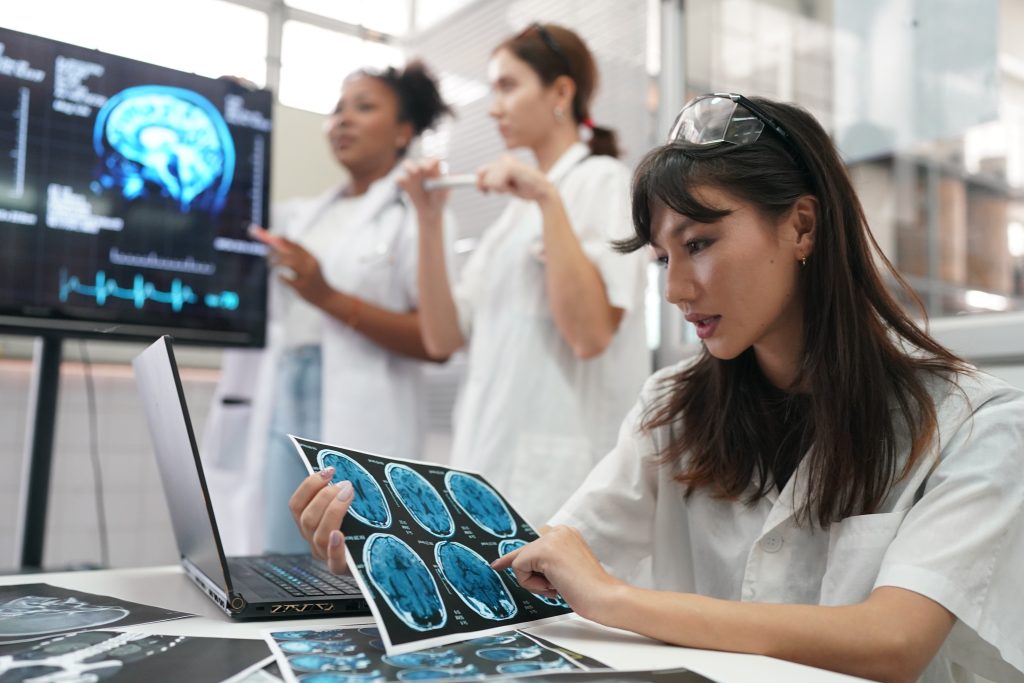
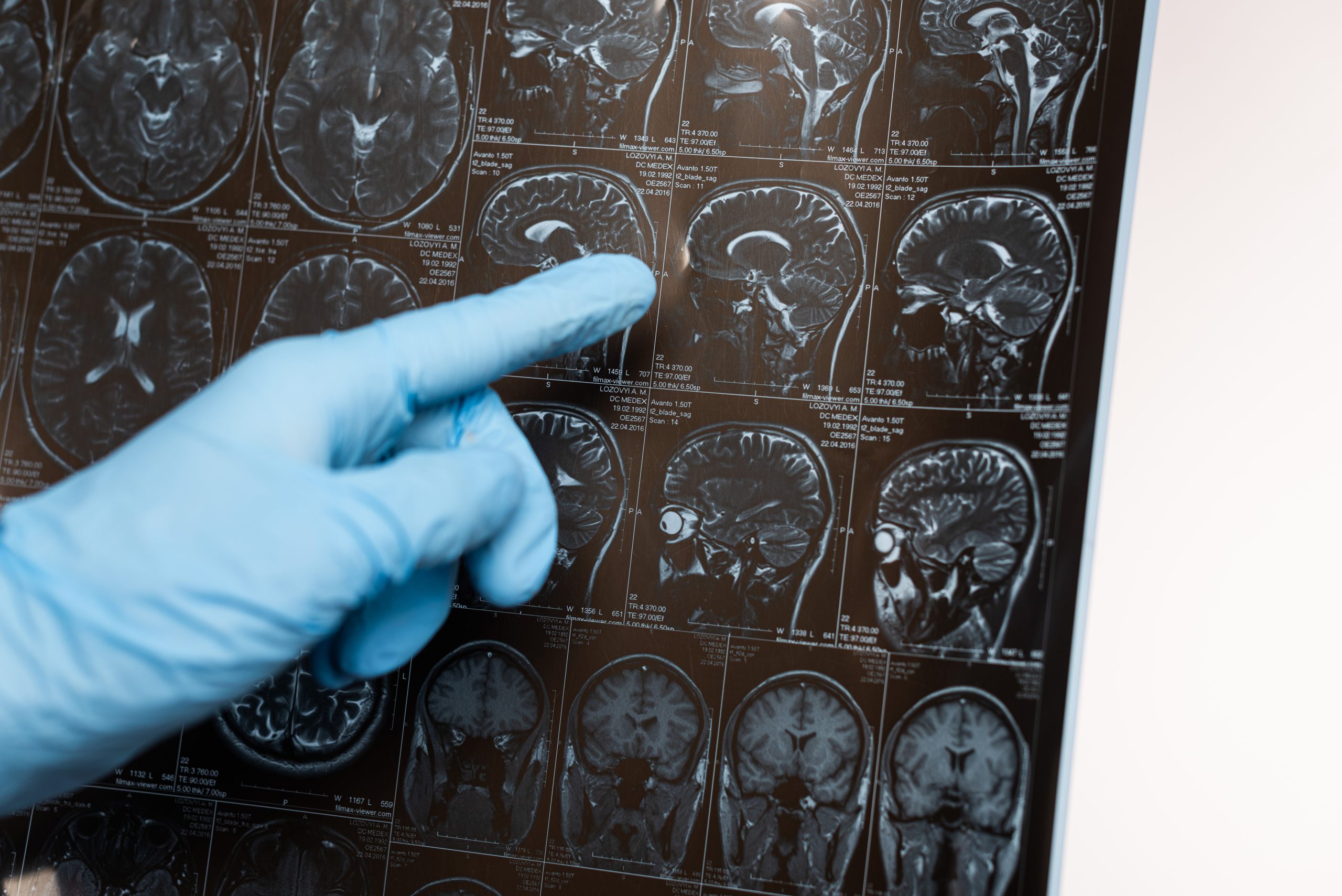
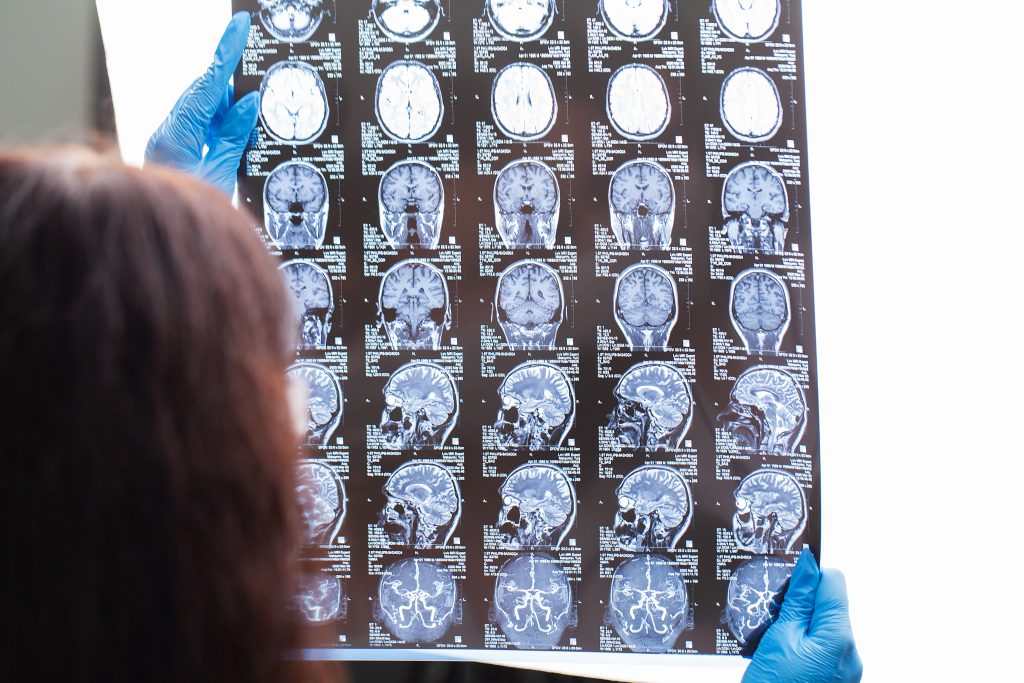
Diagnosis combines neurological examination with imaging studies.
The most commonly used tests include:
- Computed tomography (CT).
- Magnetic resonance imaging (MRI).
- Magnetic resonance angiography (MRA) or angiography when evaluation of the blood vessels is required.
MRI generally provides greater accuracy in identifying small lesions of the internal capsule.
Treatment
Treatment depends on the underlying cause of the lesion.
In cases of stroke, management may include therapies aimed at restoring blood flow during the first few hours when indicated, followed by medical treatment to reduce the risk of recurrent events.
Rehabilitation then plays a fundamental role.
The most common therapies include:
- Physiotherapy.
- Occupational therapy.
- Speech and language therapy when speech or swallowing difficulties are present.
- Individualized neurological rehabilitation programs.
Recovery
Recovery varies considerably among patients.
Some experience significant improvement during the first few months, while others require longer periods of rehabilitation.
Factors that may influence recovery include:
- Size of the lesion.
- How quickly treatment was initiated.
- The patient’s age.
- Overall health status.
- Intensity and continuity of rehabilitation.
The brain has a certain capacity to reorganize its neural connections, a phenomenon known as neuroplasticity, which may allow some functions to be partially recovered through continued training and rehabilitation.
Can damage to the internal capsule be prevented?
Although not all lesions can be prevented, the risk of stroke can be reduced by controlling the main risk factors:
- Maintaining healthy blood pressure levels.
- Managing diabetes.
- Treating high cholesterol.
- Avoiding smoking.
- Engaging in regular physical activity.
- Following a balanced diet.
- Following medical recommendations when cardiovascular disease is present.
Conclusion
The internal capsule of the brain is one of the major communication pathways of the nervous system. Despite its small size, it contains millions of nerve fibers responsible for movement, sensation, and other essential functions. Damage to this region can cause significant neurological deficits, particularly following a stroke. Early diagnosis, appropriate treatment, and a rehabilitation program tailored to each patient are key to promoting functional recovery and improving quality of life.
If you need information about NeuroAiD II, please fill out this contact form.
"*" indicates required fields


