


Returning to everyday life after a stroke can be a significant challenge for many individuals. One of the most common concerns is whether it is possible to return to work and regain professional independence. Although every case is different, many people are able to resume their professional activities following an appropriate recovery and rehabilitation process.
The ability to return to work after a stroke depends on several factors, including the severity of the stroke, any residual impairments, the nature of the individual’s job, and their recovery progress.
Is it possible to return to work after a stroke?
Yes. Many people are able to return to work after experiencing a stroke. However, the time required to resume work can vary considerably.

Some patients regain their functions within a few months and return to their usual activities without significant difficulties. Others require more time, workplace adaptations, or even changes to their job responsibilities to perform their duties safely and effectively.
The primary objective should be to ensure a gradual return to work that is aligned with the patient’s actual abilities.
Factors influencing the return to work
The ability to return to work after a stroke is influenced by multiple factors.
Severity of the stroke
Patients who have experienced a mild stroke generally have a greater likelihood of returning to work compared with those who have significant residual impairments.
Type of residual impairments
Physical, cognitive, or emotional impairments can directly affect work performance.
The most common residual impairments include:
-
Muscle weakness.
-
Mobility impairments.
-
Balance problems.
-
Language difficulties.
-
Memory impairments.
-
Concentration difficulties.
-
Persistent fatigue.
Type of employment
Not all jobs require the same physical and cognitive abilities. An individual performing administrative tasks may have different requirements from someone working in construction, transport, or operating heavy machinery.
The importance of rehabilitation
Rehabilitation plays a fundamental role for individuals who wish to return to work after a stroke. The rehabilitation process may include physiotherapy, occupational therapy, cognitive rehabilitation, and speech and language therapy, depending on the patient’s specific needs.
These interventions aim to improve mobility, coordination, muscle strength, communication abilities, and the cognitive functions required in the workplace.
Consistent participation in rehabilitation is generally associated with better long-term functional outcomes.
Gradual return to work
In many cases, returning immediately to full-time work is not advisable. A gradual return to work often facilitates physical and mental adjustment.
Some strategies include:
-
Starting with reduced working hours.
-
Initially performing less demanding tasks.
-
Gradually increasing responsibilities.
-
Incorporating regular breaks throughout the working day.
-
Periodically assessing the patient’s progress.
This approach helps identify difficulties and make necessary adjustments before fully resuming normal work activities.
Workplace adaptations
Depending on the residual impairments, some individuals may benefit from workplace adaptations.
The most common include:
-
Flexible working hours.
-
Ergonomic workspaces.
-
Assistive technologies.
-
Temporary reduction in workload.
-
Modification of certain tasks.
These measures can support a safer and more comfortable return to work.

Emotional and psychological aspects
Returning to work after a stroke involves more than just physical recovery. Many individuals experience anxiety, insecurity, or fear when returning to the workplace.
Concerns about work performance, the possibility of making mistakes, or how colleagues may perceive them are common.
Support from family members, healthcare professionals, and employers can significantly help build confidence and facilitate the transition.
When is the right time to return to work?
There is no universal timeframe that applies to all patients. The decision should be made on an individual basis, with guidance from the healthcare team responsible for the patient’s care.
Healthcare professionals will assess factors such as:
-
Current neurological status.
-
Physical abilities.
-
Cognitive functions.
-
Level of independence.
-
Risk of complications.
-
Specific demands of the job.
Patient safety should always be the priority.
Tips for those wishing to return to work after a stroke
Some recommendations can help facilitate the return-to-work process:
-
Follow the prescribed rehabilitation plan.
-
Maintain open communication with employers.
-
Set realistic goals.
-
Get adequate rest.
-
Manage cardiovascular risk factors.
-
Seek support when needed.
Recovery is usually gradual and requires patience.
Conclusion
Returning to work after a stroke is an achievable goal for many individuals. Although the process may require time, rehabilitation, and specific adaptations, many patients are able to resume their professional activities and regain a significant degree of independence. The key is to assess each case individually, allow sufficient time for recovery, and ensure appropriate support throughout the process.
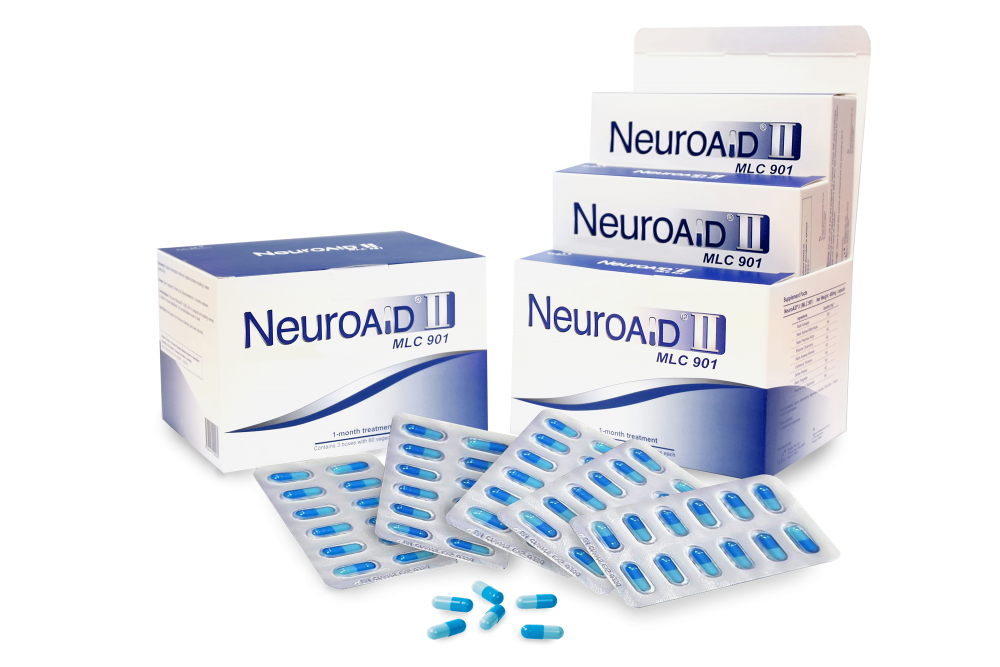
If you would like more information about NeuroAiD II, please complete this contact form
"*" indicates required fields


