



Modern eating habits have changed dramatically in recent decades. A fast-paced lifestyle, lack of time to cook, and the wide availability of industrial products have led ultra-processed foods to dominate the diets of millions of people. However, this dietary pattern comes at a high cost to health. One of the most concerning and widely studied links today is that between ultra-processed foods and stroke risk, a connection that poses serious consequences for public health.
What are ultra-processed foods
Ultra-processed foods are those made with industrial ingredients, chemical additives, colorings, preservatives, and flavor enhancers. They are not just prepared foods, but products designed to be attractive, addictive, and have a long shelf life. Common examples include filled cookies, soft drinks, processed meats, sugary cereals, ready-to-heat meals, and salty snacks. They usually have an unbalanced nutritional profile, with excess sugars, trans fats, and sodium, and very low fiber or micronutrient content. This imbalance largely explains the relationship between ultra-processed foods and stroke risk.
What is a stroke
A stroke occurs when blood flow to the brain is disrupted. It can present in two main forms: ischemic, when an artery is blocked, and hemorrhagic, when a blood vessel ruptures. In both cases, the result is a drastic reduction of oxygen and nutrients to neurons, causing brain damage. The World Health Organization recognizes it as the second leading cause of death worldwide and one of the main causes of permanent disability. Given this threat, analyzing the connection between ultra-processed foods and stroke risk is essential for prevention.
How ultra-processed foods damage the vascular system

-
Excess sodium: increases blood pressure, the number one risk factor for stroke.
-
Trans and saturated fats: increase LDL cholesterol, which accelerates the formation of plaques in the arteries.
-
Added sugars: promote insulin resistance and increase the risk of type 2 diabetes.
-
Low intake of protective nutrients: the lack of antioxidants, vitamins, and fiber reduces the body’s ability to defend against vascular damage.
All these factors converge to reinforce the relationship between ultra-processed foods and stroke risk, creating a metabolic scenario that seriously compromises brain health.
Scientific evidence on the association
Numerous studies have confirmed this connection. A study published in the British Medical Journal (BMJ) analyzed more than 100,000 individuals and found that for every 10% increase in the proportion of ultra-processed foods in the diet, the risk of stroke increased by 12%. Another cohort study in the United States showed that regular consumers of ultra-processed foods had a higher incidence of cerebrovascular events compared to those who followed diets based on fresh foods. These findings confirm that the relationship between ultra-processed foods and stroke risk is not a hypothesis, but a reality supported by solid data.
The role of sugary drinks and snacks
Among all ultra-processed foods, sugary drinks are particularly harmful. They provide no essential nutrients but large amounts of free sugars, contributing to obesity and hypertension. Salty snacks, such as chips and industrial cookies, contain excessive sodium and unhealthy fats. Frequent consumption of these products is one of the most direct pathways linking ultra-processed foods and stroke risk, especially in young people and adults who rely on these types of foods for convenience.
Population groups at higher risk
Although the entire population is affected, certain groups are more vulnerable. Older adults, patients with hypertension, diabetes, or high cholesterol, and those with a family history of cerebrovascular disease face a particularly high risk. For them, limiting the consumption of ultra-processed foods is not just advice, but a medical necessity. This further reinforces the link between ultra-processed foods and stroke risk, especially in individuals with chronic conditions.
Individual prevention strategies
Reducing exposure to ultra-processed foods requires practical day-to-day changes:
-
Cook more at home using fresh and natural ingredients.
-
Replace soft drinks with water or unsweetened infusions.
-
Plan weekly menus to avoid relying on ultra-processed fast foods.
-
Choose fruits, vegetables, and whole grains as the foundation of the diet.
-
Moderate the consumption of processed meats, cookies, and industrial snacks.
Applying these measures reduces the impact of ultra-processed foods and stroke risk, protecting both brain and cardiovascular health.
Public policies and collective health

Prevention does not depend solely on individual choices. A framework of public policies is needed to support the population in adopting healthier habits. Several countries have implemented taxes on sugary drinks, front-of-package warning labels, and restrictions on advertising aimed at children. These measures have been shown to reduce the purchase and consumption of ultra-processed foods. On a large scale, this type of policy is essential to reduce the link between ultra-processed foods and stroke risk in society.
Conclusion
Excessive consumption of ultra-processed foods is a major public health issue. Its impact on metabolism, the vascular system, and brain health has been widely documented. We now know that there is a direct relationship between ultra-processed foods and stroke risk, and this connection should not be underestimated. Adopting a diet based on fresh foods, promoting nutritional education, and supporting policies that limit the availability and promotion of ultra-processed foods are crucial steps to reduce the incidence of stroke. Ultimately, taking care of one’s diet not only protects the heart, but also preserves brain health and improves quality of life in the long term.
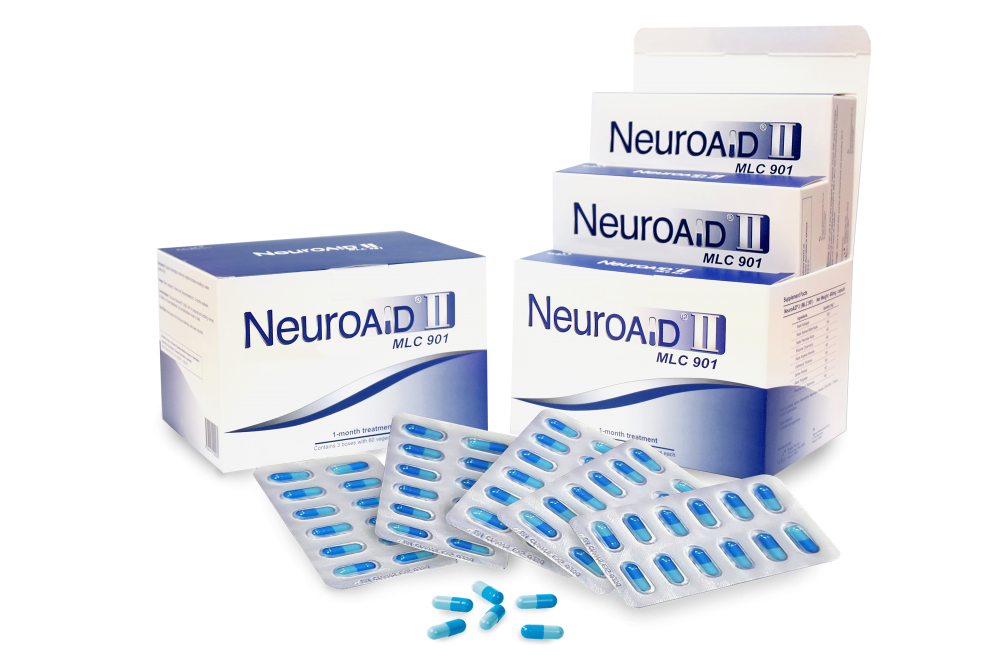
If you would like more information about NeuroAiD II, please fill out this contact form.
"*" indicates required fields


