

Foix-Chavany-Marie syndrome is a rare neurological disorder characterized by loss of voluntary control of the muscles of the face, tongue, pharynx, and jaw, while automatic or emotional movements remain preserved. This dissociation between voluntary and involuntary movement is one of the syndrome’s most distinctive features.
This disorder frequently occurs as a result of a bilateral stroke affecting the opercular region of the brain, although it may also be associated with other neurological conditions.
What is Foix-Chavany-Marie syndrome?
Foix-Chavany-Marie syndrome, also known as anterior opercular syndrome, is a neurological disorder caused by lesions affecting both frontoparietal opercula, regions of the cerebral cortex involved in the voluntary control of facial and oropharyngeal muscles.
Patients may be unable to perform voluntary actions such as protruding the tongue, smiling on command, or intentionally moving the lips. However, automatic movements, such as spontaneously smiling in response to an emotion or yawning, remain preserved.
Why does it occur?
The syndrome occurs when the cortical areas responsible for the voluntary motor control of the cranial nerves are affected bilaterally.
These lesions disrupt the pathways responsible for conscious movements of:
- The face.
- The lips.
- The tongue.
- The jaw.
- The pharynx.
- The palate.
The pathways responsible for automatic movements remain intact, which explains why these functions are preserved.
Causes
The most common cause is bilateral stroke.
Other possible causes include:
- Recurrent cerebral infarctions.
- Traumatic brain injury.
- Brain tumors.
- Central nervous system infections.
- Vascular malformations.
- Demyelinating diseases.
- Encephalitis.
In children, the syndrome may also be associated with certain abnormalities of brain development.
Symptoms of Foix-Chavany-Marie syndrome
The severity of symptoms depends on the extent of the lesion.
The most common clinical manifestations include:
- Difficulty speaking (anarthria or dysarthria).
- Difficulty swallowing (dysphagia).
- Inability to voluntarily protrude the tongue.
- Difficulty intentionally moving the lips.
- Absence of voluntary facial movements.
- Preservation of spontaneous smiling.
- Preservation of yawning.
- Preserved facial reflexes.
This clinical presentation is known as voluntary facio-pharyngo-glosso-masticatory paralysis.
Relationship with stroke
Many cases occur following bilateral infarctions affecting the opercular region.
When both hemispheres are affected, the pathways responsible for the voluntary control of facial muscles are disrupted, while those involved in emotional expressions remain functional.
This difference explains the characteristic dissociation between voluntary and automatic movements.
How is it diagnosed?
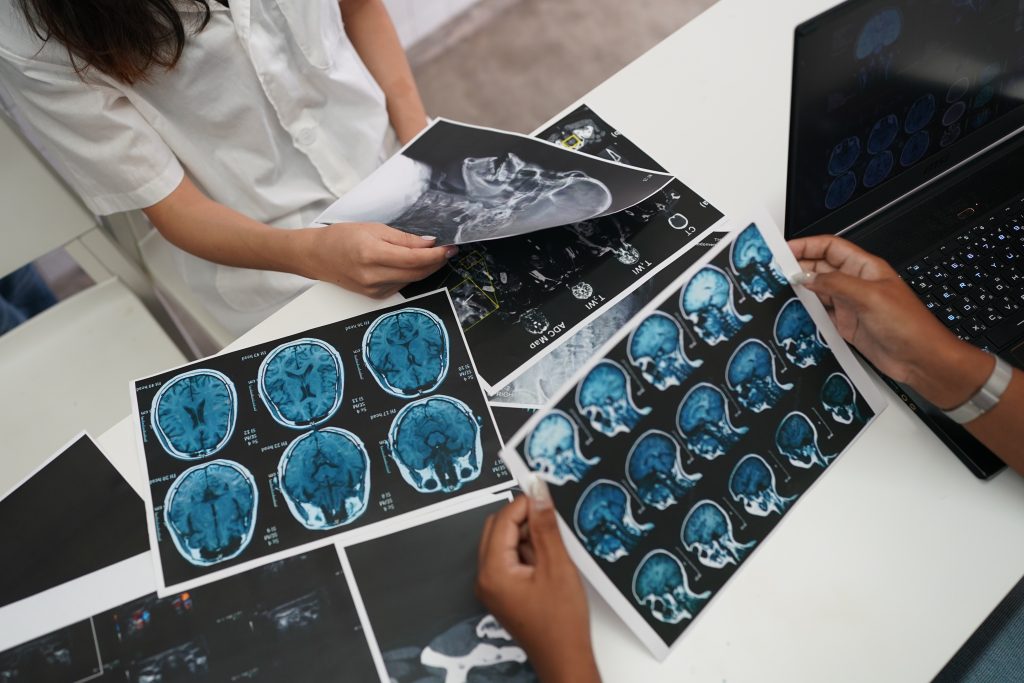
Diagnosis is based on neurological examination and neuroimaging studies.
The most commonly used techniques include:
- Brain magnetic resonance imaging (MRI).
- Computed tomography (CT).
- Magnetic resonance angiography.
- CT angiography.
- Comprehensive neurological assessment.
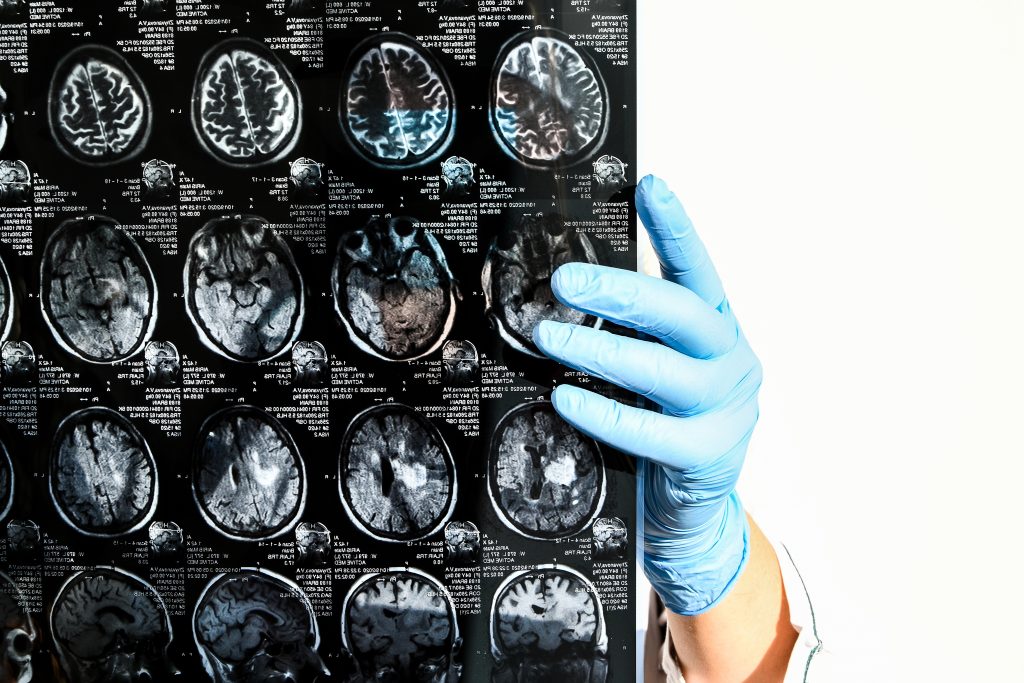
Magnetic resonance imaging can identify the cortical lesions responsible for the syndrome.
Treatment
Treatment depends on the underlying condition that caused the brain lesion.
When the syndrome is caused by a stroke, management follows established recommendations for this type of cerebrovascular event. In addition, many patients require multidisciplinary rehabilitation aimed at improving communication, swallowing, and orofacial motor function.
The treatment approach should always be tailored to each patient’s individual needs.
Prognosis
The clinical course varies and depends primarily on:
- The extent of the brain lesions.
- The underlying cause.
- The timeliness of diagnosis.
- The treatment received.
- The response to rehabilitation.
Some patients experience partial functional recovery over time, while others may have persistent difficulties with speaking or swallowing.
Conclusion
Foix-Chavany-Marie syndrome is a rare neurological disorder that affects the voluntary control of the muscles of the face and mouth while preserving automatic and emotional movements. It is usually associated with bilateral lesions of the opercular region, particularly following a stroke, and recognizing the syndrome is important for distinguishing it from other neurological disorders with similar symptoms.
If you would like more information about NeuroAiD II, please complete this contact form.
"*" indicates required fields


