


The frontal lobe is one of the most important regions of the brain and is involved in numerous functions related to motor control, behaviour, personality, decision-making, and language. When a stroke occurs in this region, symptoms can vary considerably depending on the extent of the brain lesion and the specific area affected.
Recognising the signs and symptoms of a frontal lobe stroke can facilitate prompt medical intervention and contribute to improved patient prognosis. However, it is important to recognise that every stroke is different and that clinical manifestations may vary significantly between individuals.
What is the frontal lobe?

The frontal lobe is located in the anterior part of the brain, directly behind the forehead. It is one of the most highly developed regions of the brain and is involved in complex neurological functions that are essential for daily living.
Its primary functions include:
-
Control of voluntary movements.
-
Planning and organisation of activities.
-
Decision-making.
-
Behavioural regulation.
-
Impulse control.
-
Attention and concentration.
-
Language production in specific brain regions.
Given its involvement in a wide range of neurological functions, a stroke affecting the frontal lobe can result in diverse clinical manifestations.
What happens during a frontal lobe stroke?
A frontal lobe stroke occurs when blood flow to this region of the brain is interrupted or when bleeding occurs within the brain tissue.
The resulting deprivation of oxygen and nutrients causes neuronal damage, potentially impairing the neurological functions controlled by this region of the brain.
The severity of symptoms depends on several factors, including the extent of the brain lesion, the time elapsed before treatment initiation, and the patient’s overall health status.
Main symptoms of a frontal lobe stroke
Symptoms may develop suddenly and affect physical, cognitive, and emotional functioning.
Weakness or paralysis on one side of the body
One of the most common symptoms is muscle weakness affecting the arm, leg, or face on one side of the body.
The severity may range from mild weakness (hemiparesis) to more pronounced paralysis (hemiplegia), resulting in significant mobility impairments.
Speech impairments
When a stroke affects brain regions involved in language processing, some patients may experience difficulties with verbal expression.
They may have difficulty finding words, constructing sentences, or communicating fluently.
Behavioural changes
The frontal lobe plays a crucial role in behavioural regulation. Consequently, some patients may exhibit personality changes or unusual behavioural patterns.
Possible behavioural disturbances include:
-
Impulsivity.
-
Reduced initiative (apathy).
-
Disinhibition.
-
Irritability.
-
Difficulties with emotional regulation.
These changes may be particularly noticeable to family members and caregivers.
Attention and concentration difficulties
Difficulties sustaining attention or concentrating on everyday tasks may also occur following a frontal lobe stroke.
These cognitive impairments can affect occupational, academic, and social activities.
Difficulties with planning and organisation
Some individuals may experience difficulties organising activities, solving complex problems, or making decisions.
These cognitive processes are collectively known as executive functions, which are largely dependent on the frontal lobe.
Gait disturbances
Depending on the precise location of the brain lesion, patients may experience difficulties with walking or maintaining balance.
In some cases, these gait disturbances are associated with muscle weakness or impaired motor coordination.
Emotional and psychological symptoms

In addition to physical manifestations, a frontal lobe stroke can cause significant emotional changes.
Some patients may experience:
-
Apathy.
-
Mood changes.
-
Anxiety.
-
Depression.
-
Reduced motivation.
These disturbances can significantly affect quality of life and the rehabilitation process.
Diagnosis
Diagnosis is typically established through a combination of clinical assessment and neuroimaging studies.
The most commonly used diagnostic tools include:
-
Computed tomography (CT).
-
Brain magnetic resonance imaging (MRI).
-
Vascular imaging studies.
-
Specialised neurological assessments.
These diagnostic procedures help identify the location of the brain lesion and guide appropriate treatment planning.
Recovery and rehabilitation
La recuperación tras un ACV en lóbulo frontal puede variar considerablemente entre pacientes.
Recovery following a frontal lobe stroke can vary considerably among patients.
Rehabilitation may include:
-
Physiotherapy to improve mobility.
-
Occupational therapy to restore functional abilities.
-
Speech and language therapy when language impairments are present.
-
Neuropsychological rehabilitation to address cognitive and behavioural impairments.
The primary goal is to maximise functional independence and facilitate adaptation to any residual neurological impairments.
What is the prognosis?
Prognosis depends on multiple factors, including stroke severity, the extent of brain damage, and the individual’s response to rehabilitation.
Some patients experience substantial functional recovery, while others may have persistent physical, cognitive, or behavioural impairments over the long term. Therefore, recovery outcomes should be assessed on an individual basis by the treating medical team.
Conclusion
The symptoms of a frontal lobe stroke can affect motor function, language, behaviour, attention, and executive functions. Given the wide range of neurological functions associated with this brain region, clinical manifestations can vary considerably among patients. Early medical intervention and an individualised rehabilitation programme tailored to each patient’s specific needs are essential for promoting functional recovery and improving quality of life.
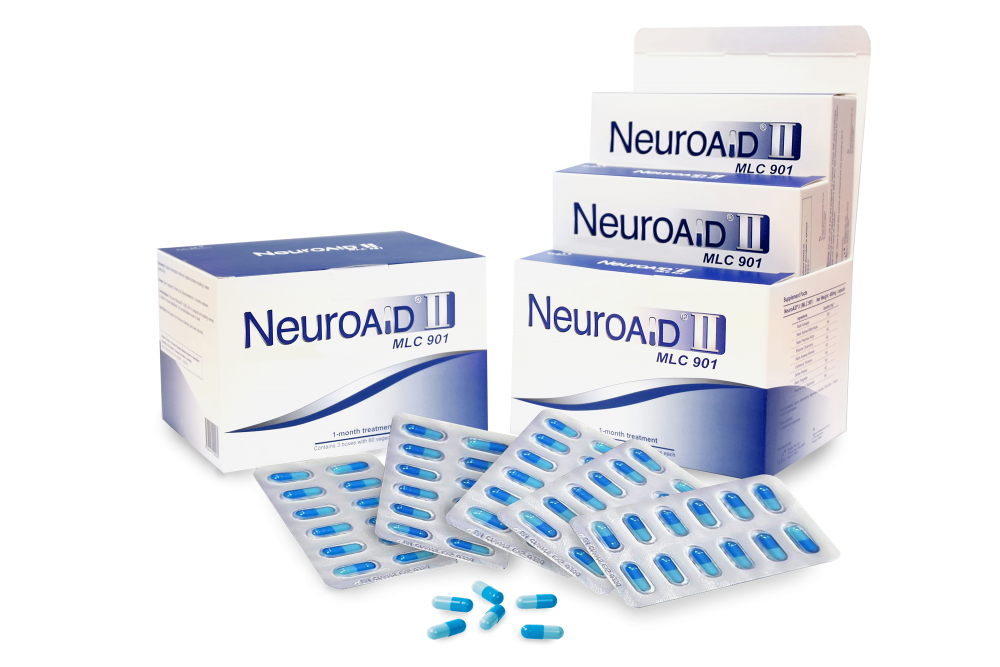
If you would like more information about NeuroAiD II, please complete this contact form.
"*" indicates required fields


