


A parietal lobe stroke is a type of cerebrovascular event that affects one of the brain regions primarily responsible for sensory integration and spatial information processing. When a stroke occurs in the parietal lobe, its consequences may vary depending on the extent of brain damage and the cerebral hemisphere affected. However, common manifestations include sensory disturbances, difficulties with object recognition, and impaired spatial orientation.
Understanding what happens during a parietal lobe stroke can help facilitate early recognition of symptoms and prompt access to emergency medical care, which is a key factor in improving prognosis.
What is the parietal lobe?

The parietal lobe is a region of the brain located in the superior and posterior part of the cerebral cortex. Its primary function is to process sensory information received from the body, including touch, temperature, pain, and spatial perception.
In addition, this brain region is involved in complex functions such as:
-
Object recognition.
-
Visuomotor coordination.
-
Body position awareness (proprioception).
-
Spatial orientation.
-
Mathematical and linguistic information processing.
When a stroke affects the parietal lobe, some of these neurological functions may become impaired.
What causes a parietal lobe stroke?
The causes of a parietal lobe stroke are similar to those of other types of stroke. They are generally classified into two main categories:
Ischemic stroke
Ischemic stroke is the most common type of stroke and occurs when a cerebral artery becomes obstructed by a blood clot or atherosclerotic plaque buildup. As a result, the affected brain tissue is deprived of an adequate supply of oxygen and nutrients.
Hemorrhagic stroke
A hemorrhagic stroke occurs when a blood vessel ruptures within the brain, causing bleeding that damages the surrounding brain tissue.
The most significant risk factors include:
-
Arterial hypertension.
-
Diabetes mellitus.
-
Elevated cholesterol levels (hypercholesterolemia).
-
Smoking.
-
Obesity.
-
Cardiovascular diseases.
-
Physical inactivity.
Symptoms of a parietal lobe stroke
The symptoms of a parietal lobe stroke may differ from those observed in other types of stroke. This is because this brain region plays a crucial role in sensory processing and spatial perception.
The most common symptoms include:
Sensory disturbances
The individual may experience a loss of sensation or reduced sensory perception on one side of the body.
Difficulty recognising objects
Some patients may experience an inability to identify objects through touch (astereognosis), even when basic sensory function remains intact.
Spatial orientation difficulties
A parietal lobe stroke can impair the ability to accurately perceive spatial relationships and distances.
Unilateral spatial neglect
When the right cerebral hemisphere is affected, patients may exhibit unilateral spatial neglect, characterised by a failure to attend to stimuli originating from the left side of the body or surrounding environment.
Reading and writing difficulties
Depending on the precise location of the brain lesion, patients may experience difficulties with reading (alexia), writing (agraphia), or performing mathematical calculations (acalculia).
Coordination impairments
Although muscle strength may remain relatively preserved, sensorimotor coordination may be impaired.
Diagnosis of parietal lobe stroke
The diagnosis of a parietal lobe stroke begins with a comprehensive neurological assessment. Neuroimaging studies are then performed to confirm the location and type of brain lesion.
The most commonly used diagnostic procedures include:
-
Computed tomography (CT).
-
Magnetic resonance imaging (MRI).
-
Cerebral angiography.
-
Vascular imaging studies.
Early identification of the stroke enables prompt initiation of appropriate treatment.
Treatment of parietal lobe stroke

Treatment depends on the type of stroke.
In ischemic stroke, thrombolytic medications may be administered to restore cerebral blood flow if the patient arrives at the hospital within the appropriate therapeutic time window and meets the eligibility criteria.
In hemorrhagic stroke, the primary objective is to control bleeding and reduce intracranial pressure.
Following the acute phase, rehabilitation becomes an essential component of recovery, helping patients regain impaired neurological and functional abilities.
Recovery after a parietal lobe stroke
Recovery following a parietal lobe stroke varies considerably among patients. Factors such as age, the severity of brain damage, and the time elapsed before treatment initiation can significantly influence prognosis.
Rehabilitation programmes typically include:
-
Physiotherapy.
-
Occupational therapy.
-
Neuropsychological rehabilitation.
-
Speech and language therapy when communication impairments are present.
The brain possesses an adaptive capacity known as neuroplasticity, which enables the reorganisation of certain neurological functions and the formation of new neural connections. Through this process, many patients can achieve significant functional improvements over time with appropriate rehabilitation and consistent training.
Conclusion
A parietal lobe stroke can cause sensory, spatial, and cognitive impairments that significantly affect the patient’s daily life. However, early diagnosis, timely medical intervention, and a well-structured rehabilitation programme can promote substantial functional recovery. Recognising the symptoms of a parietal lobe stroke and seeking immediate medical attention remain among the most effective strategies for minimising long-term neurological deficits and improving the patient’s quality of life.
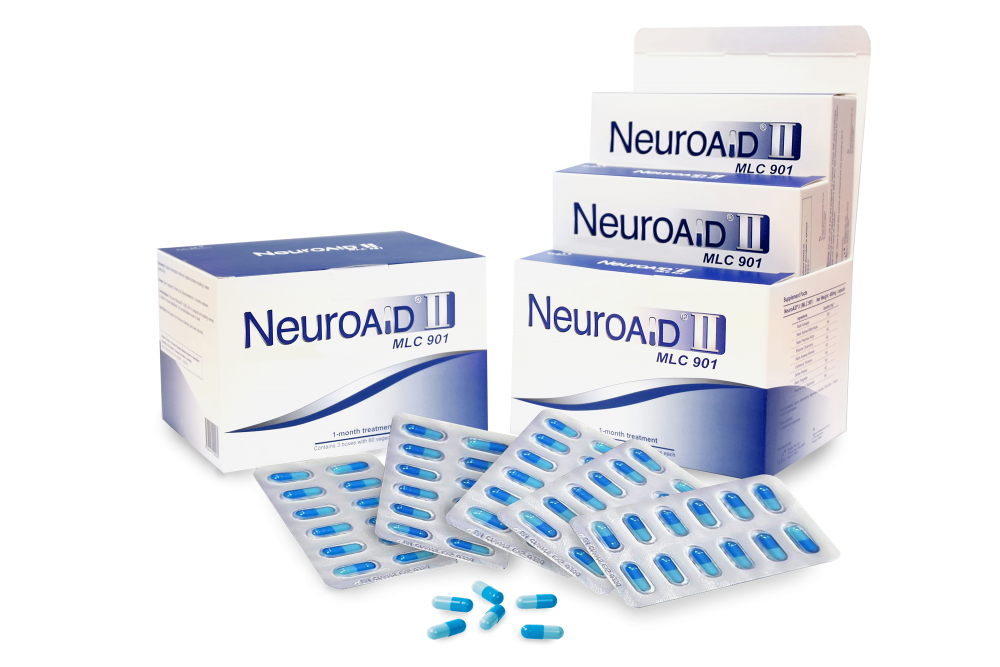
If you would like more information about NeuroAiD II, please complete this contact form.
"*" indicates required fields


