

The Fugl-Meyer Assessment (FMA) is one of the most widely used assessment tools for evaluating motor recovery in individuals who have experienced a stroke. It is considered a standard assessment tool in neurological rehabilitation because it provides an objective measure of the degree of impairment and changes in different functional domains over time.
This assessment helps determine how the stroke has affected movement, sensation, balance, and coordination, providing valuable information for monitoring the patient’s progress throughout the recovery process.
What is the Fugl-Meyer Assessment?
The Fugl-Meyer Assessment, internationally known as the Fugl-Meyer Assessment (FMA), was specifically developed to evaluate impairments following a stroke.
Its purpose is to assess different neurological functions through a series of standardized tests that provide a score reflecting the patient’s functional status.
This assessment enables healthcare professionals to compare results obtained at different time points and monitor improvements or changes throughout the recovery process.
What does the Fugl-Meyer Assessment evaluate?
The assessment examines several areas that are commonly affected following a stroke.
These include:
- Motor function of the arm.
- Motor function of the leg.
- Balance.
- Sensation.
- Joint mobility.
- Presence of pain during movement.
Each of these areas is assessed separately, providing an overall view of the patient’s neurological and functional status.
How is the assessment performed?
During the assessment, the healthcare professional asks the patient to perform different movements with the arms and legs, while also evaluating the ability to maintain specific positions and respond to different sensory stimuli.
The assessment follows a standardized protocol, allowing results to be compared across different evaluations.
Depending on the patient’s condition, the assessment typically takes between 30 and 45 minutes.
How is it scored?
Each task is assigned a score based on the level of performance observed.
The following scoring system is generally used:
- 0 points: unable to perform the movement.
- 1 point: performs the movement partially.
- 2 points: performs the movement correctly.
The scores from all items are added together to obtain the final score.
The complete version of the Fugl-Meyer Assessment has a maximum score of 226 points, distributed across the different domains assessed.
What does the score mean?
The score reflects the degree of functional impairment following a stroke.
In general, a higher score indicates better motor function and less neurological impairment, while a lower score reflects greater functional limitations.
Rather than being interpreted as an isolated value, the Fugl-Meyer Assessment is particularly useful for monitoring and comparing changes in the same patient over time.
Why is it used in patients with stroke?
Stroke can affect movement, coordination, sensation, and balance in many different ways.
The Fugl-Meyer Assessment evaluates these impairments using a structured and reproducible system, facilitating the monitoring of recovery throughout the different stages of rehabilitation.
In addition, it is one of the most widely used assessment tools in clinical studies related to post-stroke recovery, as it provides an objective measure of motor function.
Differences from other scales
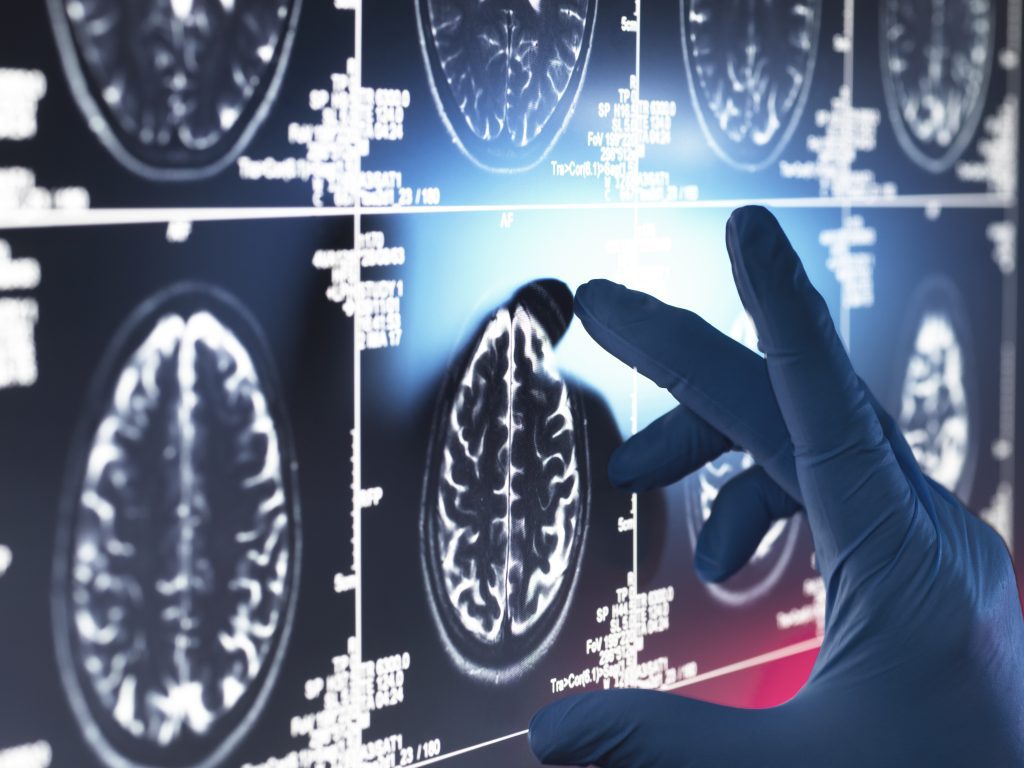
There are several assessment scales used in neurological rehabilitation, but each has a different purpose.
For example, the Berg Balance Scale (BBS) focuses primarily on balance and the risk of falls, while the Barthel Index assesses the ability to perform basic activities of daily living.
The Fugl-Meyer Assessment (FMA), on the other hand, focuses particularly on the assessment of motor function and neurological impairments resulting from stroke.
For this reason, several assessment scales are often used in combination to provide a more comprehensive evaluation of the same patient.
This assessment tool is used in clinical practice across numerous centers specializing in neurological rehabilitation.
Healthcare professionals who commonly use it include:
- Rehabilitation physicians.
- Physiotherapists.
- Occupational therapists.
- Neurologists.
- Clinical research teams.
Its use provides an objective measure for documenting changes in patients’ functional status over time.
Does it have limitations?
Although it is one of the most comprehensive assessment tools for evaluating motor impairments following a stroke, it also has some limitations.
Its administration requires time and specific training to ensure that the assessment is performed correctly. In addition, it was designed primarily for individuals who have experienced a stroke, so it may not always be suitable for other neurological conditions.
Despite these limitations, the Fugl-Meyer Assessment remains one of the most scientifically supported tools for measuring motor recovery following a stroke.
Conclusion
The Fugl-Meyer Assessment (FMA) is a clinical assessment tool designed to evaluate motor and neurological recovery in individuals who have experienced a stroke. Through a structured assessment of movement, sensation, balance, pain, and joint mobility, it helps determine the degree of functional impairment and monitor the patient’s progress throughout the rehabilitation process.
Its reliability and widespread use in clinical practice make it one of the most important assessment tools in the field of neurological rehabilitation.
If you would like more information about NeuroAiD II, please complete this contact form
"*" indicates required fields


