




Hypoxic hypoxia is a type of hypoxia in which there is a reduction in the partial pressure of oxygen in arterial blood, preventing the lungs from adequately oxygenating the blood. This means that, although circulation, hemoglobin, and the cells’ ability to utilize oxygen are intact, insufficient oxygen enters the body from the air we breathe.
This condition is considered one of the most common and dangerous, as it can occur in everyday situations such as high altitudes or uncontrolled respiratory diseases.
Causes of hypoxic hypoxia
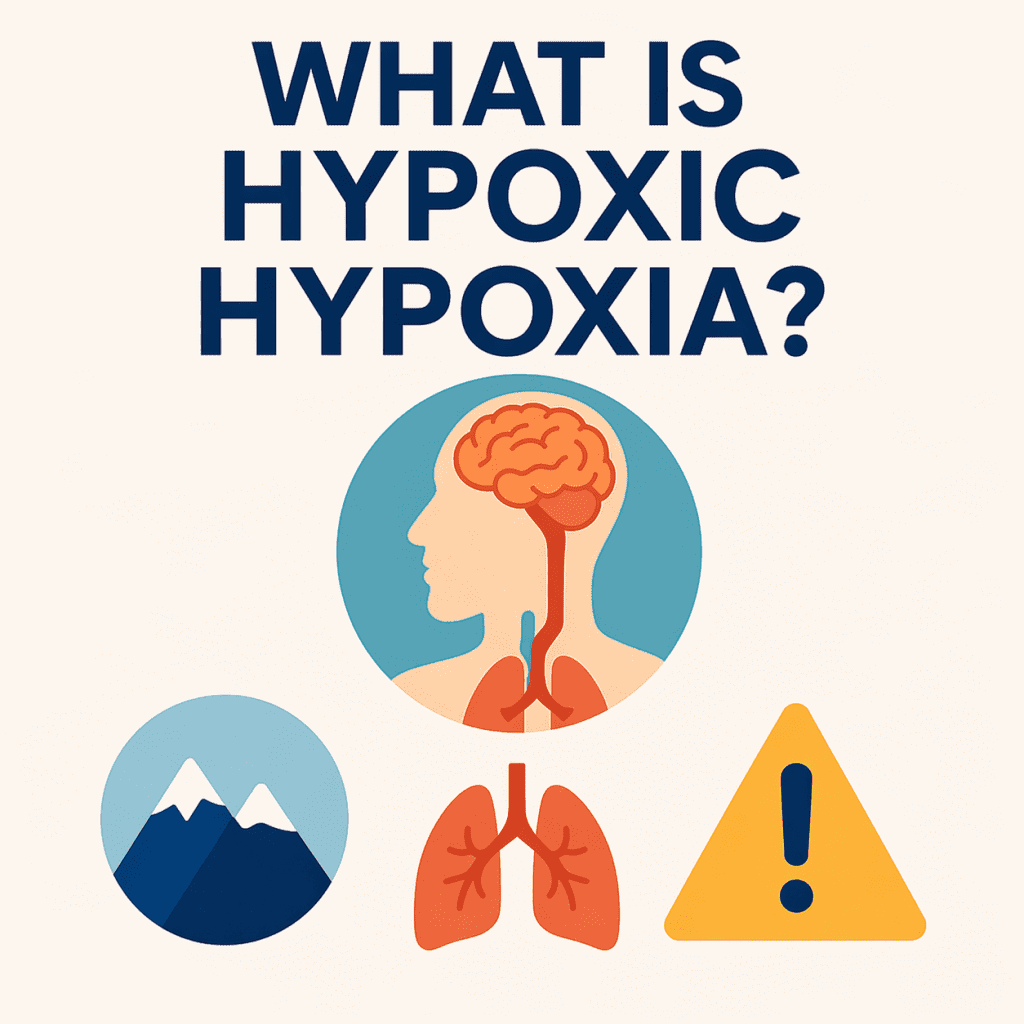
Hypoxic hypoxia can have multiple causes, many of which are related to the environment or the respiratory system. The main ones are:
-
High altitude: in mountainous areas or during unpressurized flights, the concentration of oxygen in the air is lower, reducing its availability to the body.
-
Hypoventilation: shallow or slow breathing, whether due to neurological injuries, sedative use, or neuromuscular disorders.
-
Pulmonary diseases: such as emphysema, asthma, pulmonary fibrosis, or COPD.
-
Alveolar diffusion disorders: when the membranes that separate air from the bloodstream in the lungs are thickened or damaged.
-
Intrapulmonary shunts: blood flow that passes through the lungs without being adequately oxygenated, as occurs in certain vascular malformations.
Each of these conditions reduces the amount of oxygen transferred from inspired air to arterial blood, resulting in hypoxic hypoxia.
Symptoms of hypoxic hypoxia
Hypoxic hypoxia may develop acutely or chronically, and symptoms depend on the rate of onset and the severity of oxygen deprivation.
Common symptoms:
-
Dyspnea (shortness of breath)
-
Cyanosis (bluish discoloration of the lips or nails)
-
Dizziness or vertigo
-
Headache
-
Visual disturbances
-
Palpitations
-
Muscle fatigue
-
Confusion or impaired judgment
In more severe cases, it may lead to loss of consciousness, seizures, or even death if not promptly corrected.
Diagnosis
The diagnosis of hypoxic hypoxia is based on clinical evaluation, patient history, and complementary tests. The most commonly used methods include:
-
Pulse oximetry: measures blood oxygen saturation (SpO₂). Values below 90% are indicative of hypoxemia.
-
Arterial blood gas analysis: provides an accurate measurement of the partial pressure of oxygen (PaO₂), carbon dioxide, and blood pH.
-
Chest X-ray or computed tomography scan: to detect pulmonary diseases or structural abnormalities.
-
Pulmonary function tests: assess the patient’s respiratory capacity.
-
Exercise testing or induced hypoxia tests: used in cases of suspected chronic hypoxia or in athletes.
Timely diagnosis of hypoxic hypoxia is crucial to prevent irreversible cellular damage, especially in the brain and heart.
Hypoxic hypoxia at high altitude
One of the most classic scenarios of hypoxic hypoxia is exposure to high altitudes, where atmospheric pressure decreases and, consequently, oxygen availability is reduced. This affects both mountaineers and travelers in inadequately pressurized flights.
In these cases, symptoms of acute mountain sickness may appear, such as:
-
Nausea
-
Insomnia
-
Irritability
-
Reduced physical performance
If left untreated, it can progress to high-altitude pulmonary edema (HAPE) or high-altitude cerebral edema (HACE), which are potentially life-threatening conditions.
Treatment of hypoxic hypoxia
The treatment of hypoxic hypoxia depends on its cause, but the main objective is to restore adequate tissue oxygenation. Options include:
-
Oxygen therapy:
-
Administered via mask or nasal cannula.
-
In severe cases, with mechanical ventilation.
-
-
Bronchodilators and corticosteroids:
-
For patients with obstructive pulmonary diseases.
-
-
Treatment of the underlying cause:
-
Antibiotics in pulmonary infections.
-
Surgery or embolization in cases of pulmonary shunts.
-
-
Descent to sea level:
-
In cases of hypoxic hypoxia due to altitude.
-
-
Hyperbaric chamber:
-
In specific cases where an increased partial pressure of oxygen is required.
-
Once hypoxic hypoxia is identified, it is essential to act promptly to prevent progression to multiorgan damage.
Prevention
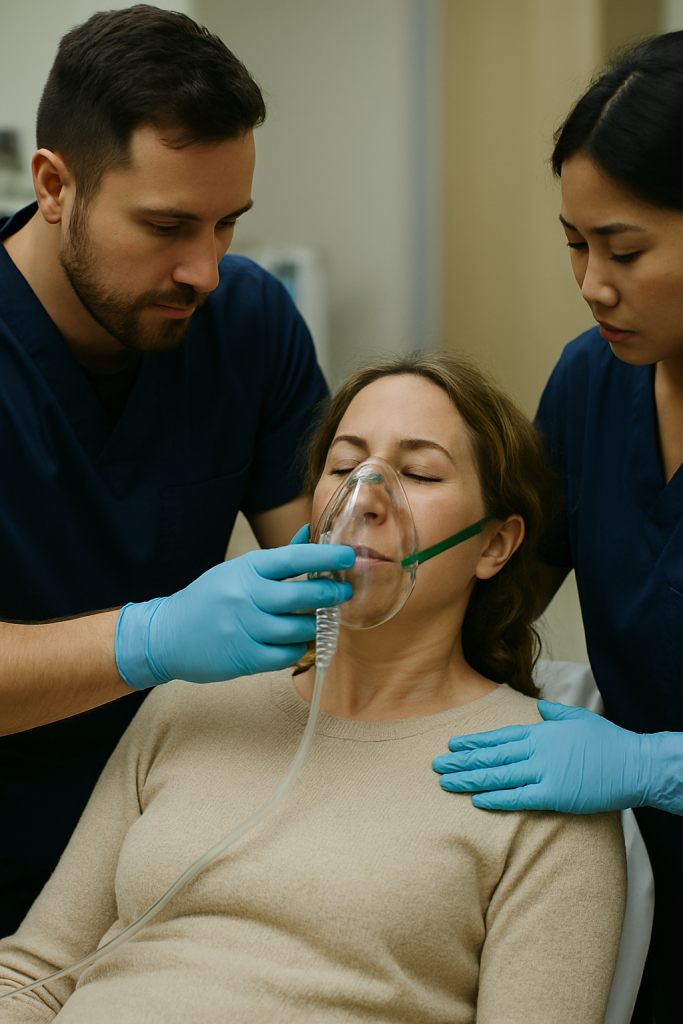
In many cases, hypoxic hypoxia is preventable if risk factors are identified and addressed in advance. Some strategies include:
-
Avoid prolonged exposure to high altitudes without proper acclimatization.
-
Use of supplemental oxygen during long flights or in individuals with respiratory diseases.
-
Management of chronic pulmonary diseases.
-
Avoid the inappropriate use of sedatives or respiratory depressants.
-
Engage in high-altitude sports with gradual training.
Monitoring in hospitals and operating rooms is also essential, as hypoxic hypoxia may arise due to ventilation or anesthesia-related errors.
Hypoxic hypoxia vs other types of hypoxia
It is important to differentiate hypoxic hypoxia from other forms of hypoxia. Although all result in insufficient oxygenation, their underlying mechanisms differ:
-
Anemic hypoxia: the blood cannot carry sufficient oxygen.
-
Ischemic hypoxia: blood flow is inadequate.
-
Histotoxic hypoxia: cells are unable to utilize oxygen.
Hypoxic hypoxia, in contrast, is characterized by impaired pulmonary uptake of oxygen from the air, making it a primary form of hypoxemia.
Conclusion
Hypoxic hypoxia is a potentially dangerous condition in which tissues do not receive sufficient oxygen due to a decrease in the partial pressure of arterial oxygen. It may arise from pulmonary diseases, high altitudes, hypoventilation, or disorders in gas exchange.
Early identification, prompt intervention, and correction of the underlying cause are key to preventing severe and irreversible damage. Prevention, especially in vulnerable patients, and the use of supplemental oxygen in high-risk situations can make a critical difference.
Understanding hypoxic hypoxia enables life-saving interventions and improves the quality of care in medical, athletic, and emergency settings.
If you would like more information about NeuroAiD II, please fill out this contact form.
"*" indicates required fields


