


The somatosensory cortex is one of the most important regions of the brain for interpreting sensory information from the body. It enables us to perceive touch, pressure, temperature, pain, and the position of our limbs without having to look at them.
When this area of the brain is damaged, sensory disturbances may occur that can significantly affect quality of life. A person may experience symptoms ranging from loss of sensation to difficulty recognizing objects by touch or accurately perceiving the position of a hand or leg.
What is the somatosensory cortex?
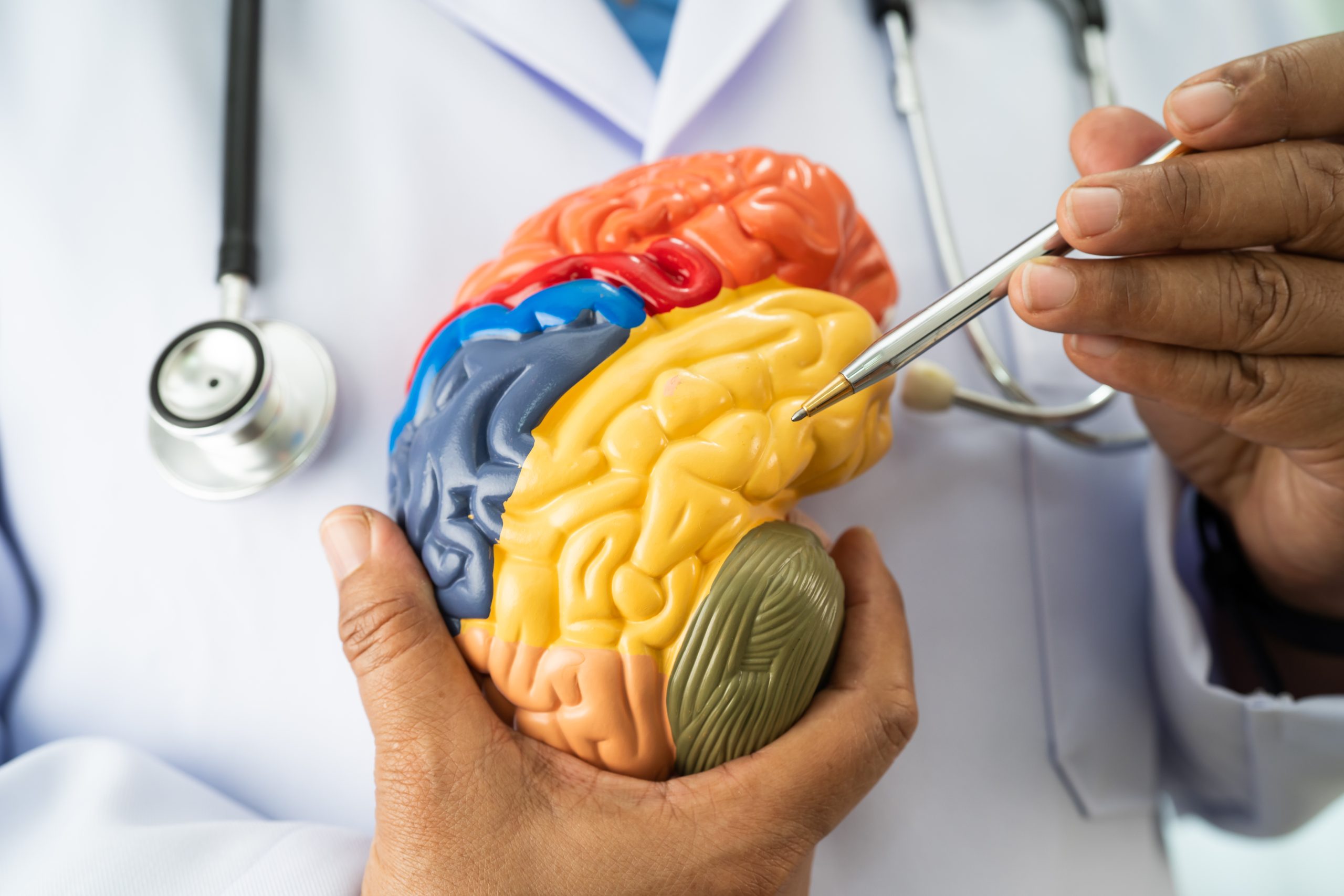
The somatosensory cortex is a region of the brain responsible for receiving and processing sensory information from throughout the body. It is located in the parietal lobe, just behind the central sulcus, in a structure known as the postcentral gyrus.
Its primary function is to transform nerve impulses transmitted by receptors in the skin, muscles, and joints into conscious sensations that allow us to interact with our environment.
This information is continuously transmitted from all parts of the body through complex neural pathways that ascend through the spinal cord to reach the brain.
What information does it process?
The somatosensory cortex processes different types of sensory stimuli, including:
- Fine touch.
- Pressure.
- Vibration.
- Temperature.
- Pain.
- Joint position (proprioception).
- Limb movement.
Thanks to this region, we can determine whether an object is rough or smooth, hot or cold, heavy or light, as well as precisely identify where a stimulus is felt.
The sensory homunculus
One of the most interesting features of the somatosensory cortex is that each part of the body is represented in a specific area of the brain.
This representation is known as the sensory homunculus.
Not all parts of the body occupy the same amount of cortical space within this representation. The hands, lips, tongue, and face occupy a much larger area because they contain a high density of sensory receptors and require much more precise sensory processing.
In contrast, the back and legs have a relatively smaller representation.
How does it work?
When we touch an object, receptors in the skin generate electrical impulses that travel through the peripheral nerves to the spinal cord.
From there, they ascend to the thalamus, a brain structure that acts as a relay station.
Finally, the information reaches the somatosensory cortex, where it is consciously interpreted.
This process occurs within fractions of a second, allowing us to respond rapidly to stimuli in our environment.
What happens when the somatosensory cortex is damaged?
Damage to this region can impair the perception of normal sensations.
The severity depends on the size of the lesion, the area affected, and its underlying cause.
The most common causes include:
- Stroke.
- Traumatic brain injury.
- Brain tumors.
- Central nervous system infections.
- Neurodegenerative diseases.
- Brain surgery.
Symptoms of somatosensory cortex damage
Symptoms can vary considerably among patients.
The most common include:
Reduced sensation
The person may notice that certain parts of the body are less sensitive to touch or pressure.
In some cases, it may be difficult to distinguish between different textures or perceive subtle stimuli.
Numbness
It is common to experience numbness or tingling on one side of the body.
This symptom may affect the face, arm, hand, or leg.
Impaired sense of position
Some people have difficulty determining the position of their limbs without looking at them.
This can affect balance and coordination of movement.
Difficulty recognizing objects by touch
A condition known as astereognosis prevents a person from identifying familiar objects by touch alone, despite having normal muscle strength.
For example, a person may be unable to recognize a key or a coin with their eyes closed.
Impaired pain perception
In some cases, sensitivity to pain is reduced.
In others, the opposite occurs, with exaggerated painful sensations in response to mild stimuli.
Can it affect movement?
Although the somatosensory cortex does not directly control movement, sensory information is essential for performing movements correctly.
When the brain no longer receives accurate information about the position of a hand or leg, movements may become clumsy, unsteady, or poorly coordinated.
Many people experience difficulty performing fine motor tasks such as:
- Writing.
- Buttoning a shirt.
- Holding small objects.
- Using cutlery.
Diagnosis
Diagnosis begins with a comprehensive neurological examination.
The specialist assesses different sensory modalities, including:
- Light touch.
- Vibration.
- Temperature.
- Pain.
- Proprioception.
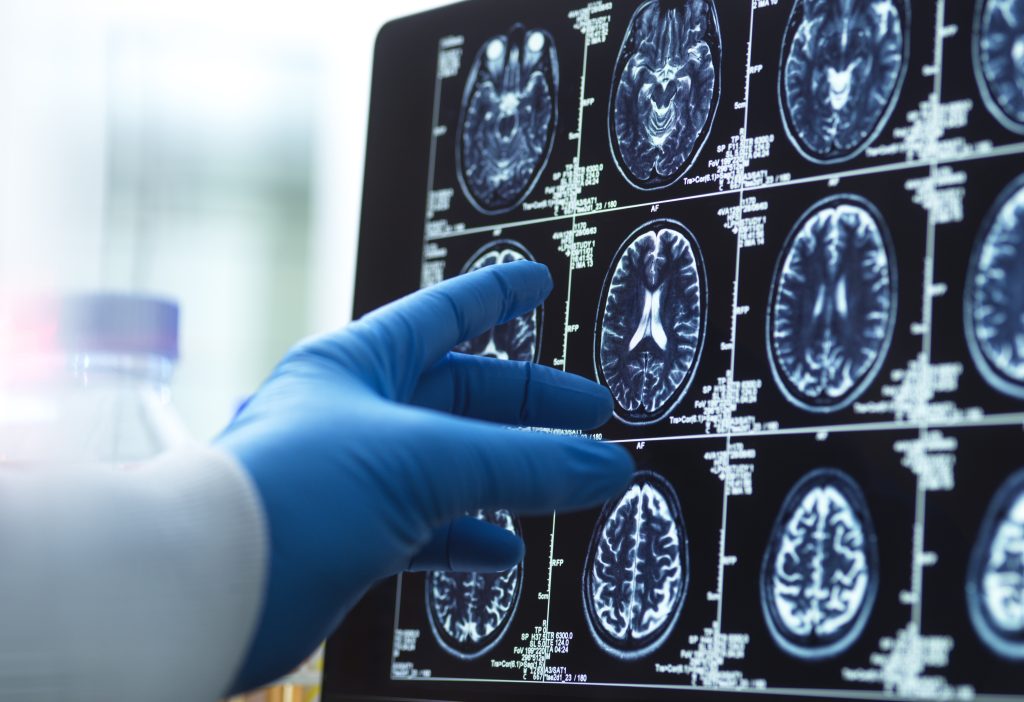
Imaging tests such as magnetic resonance imaging (MRI) or computed tomography (CT) may then be performed to identify the location of the lesion.
In some patients, neurophysiological studies are also performed to assess nerve impulse conduction.
Recovery after an injury
The brain has a certain capacity to reorganize its neural connections through a process known as neuroplasticity.
During recovery, progressive improvements in sensory function may occur, particularly when the lesion has not completely destroyed the affected brain tissue.
Recovery varies considerably and depends on multiple factors, including:
- The extent of brain damage.
- The patient’s age.
- The cause of the injury.
- Early initiation of rehabilitation.
- Adherence to treatment.
Some people recover a significant degree of sensory function, while others may experience permanent impairments.
Rehabilitation

Rehabilitation is usually tailored to the individual needs of each patient.
The strategies used may include:
- Sensory stimulation exercises.
- Proprioceptive training.
- Occupational therapy to improve activities of daily living.
- Coordination exercises.
- Tactile retraining and texture discrimination exercises.
- Specific programs to improve balance.
The primary goal is to help the brain make use of its adaptive capacity and promote functional recovery.
When should you see a doctor?
It is important to seek immediate medical attention if symptoms such as the following occur suddenly:
- Loss of sensation on one side of the body.
- Sudden numbness of the face, arm, or leg.
- Difficulty recognizing objects by touch.
- Sudden balance disturbances accompanied by loss of sensation.
These symptoms may indicate an acute brain injury, such as a stroke, requiring urgent medical assessment.
Conclusion
The somatosensory cortex plays an essential role in the perception of touch, pain, temperature, and body position. Its proper functioning enables us to interact safely with our environment and perform precise movements.
When this region of the brain is damaged, sensory impairments of varying severity may occur, affecting both perception and coordination. Early diagnosis and a rehabilitation program tailored to each individual can help maximize recovery and improve quality of life.
If you need information about NeuroAiD II, you can fill out this contact form
"*" indicates required fields


