

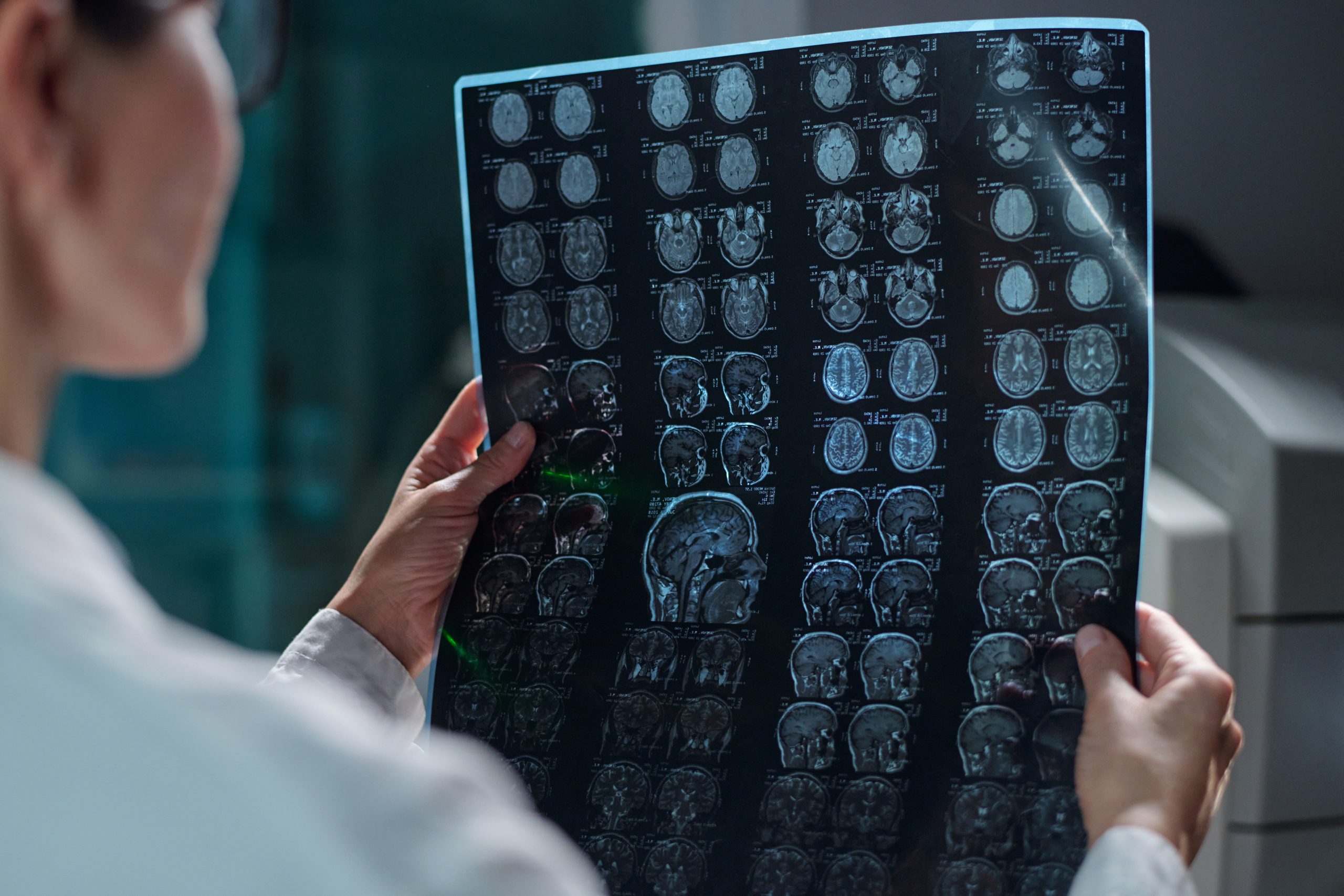

A large cerebral infarction is one of the most severe types of ischemic stroke. It occurs when a large-caliber artery becomes blocked, preventing blood flow to a large area of the brain. As a result, brain cells are deprived of oxygen and nutrients, which can lead to significant neurological damage.
The severity of a large cerebral infarction depends on several factors, including the location of the lesion, the time elapsed before treatment is received, and the patient’s pre-existing health status. Although it may be associated with a higher risk of complications and long-term neurological deficits, early diagnosis and specialized medical care are essential for improving prognosis.
What is a large cerebral infarction?
The brain requires a constant blood supply to function properly. When an artery becomes blocked by a blood clot or the buildup of fatty plaques, brain tissue is deprived of oxygen and begins to sustain damage.
A large cerebral infarction occurs when the interruption of blood flow affects a large area of the brain, typically within the territory supplied by a major artery, such as the middle cerebral artery. Due to the extent of the affected area, this type of infarction often causes severe symptoms and requires urgent medical treatment.
What are the causes of a large cerebral infarction?
The causes are similar to those of other ischemic strokes, although they typically involve the occlusion of large blood vessels.
The most common causes include:
- Atherosclerosis of the cerebral arteries.
- Blood clots originating from the heart, particularly in people with atrial fibrillation.
- Carotid artery disease.
- Blood clotting disorders.
- Arterial dissection.
- Poorly controlled cardiovascular risk factors.
People with high blood pressure, diabetes, high cholesterol, obesity, smoking, or a history of cardiovascular disease are at increased risk of experiencing this type of cerebral infarction.
Symptoms of a large cerebral infarction
The symptoms appear suddenly and are often more pronounced due to the large amount of brain tissue affected.
The most common signs include:
- Weakness or paralysis on one side of the body.
- Difficulty speaking or understanding language.
- Facial drooping.
- Loss of sensation on one side of the body.
- Visual disturbances.
- Severe dizziness or loss of balance.
- Drowsiness or a decreased level of consciousness.
- Headache, particularly when associated with cerebral edema.
If any of these symptoms occur, urgent medical attention is essential.
How is it diagnosed?
El diagnóstico combina la exploración neurológica con diferentes pruebas de imagen.
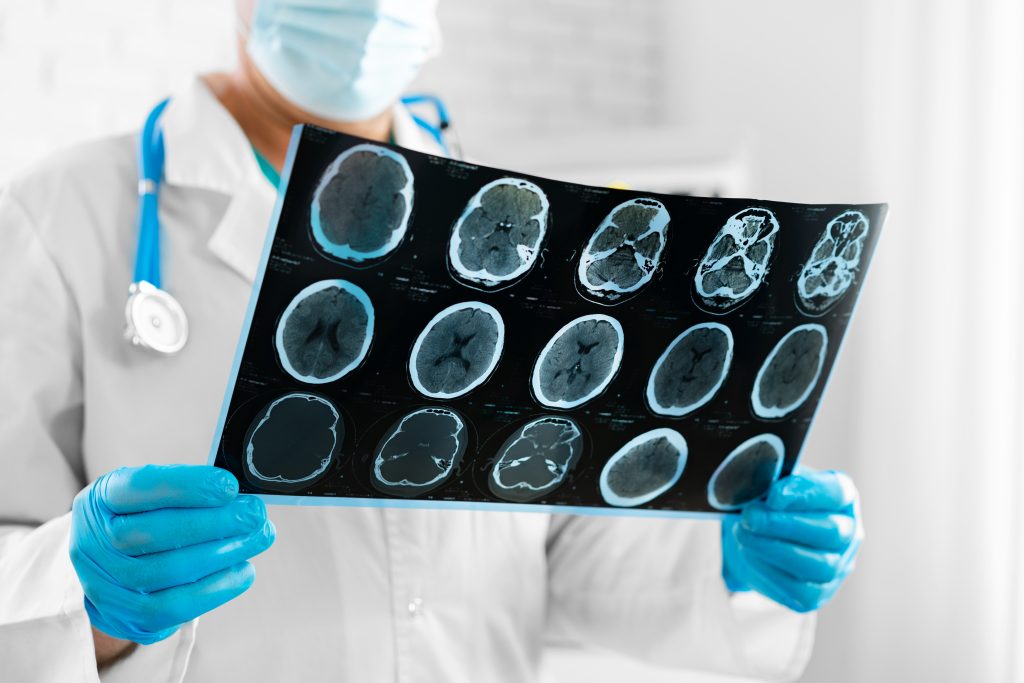
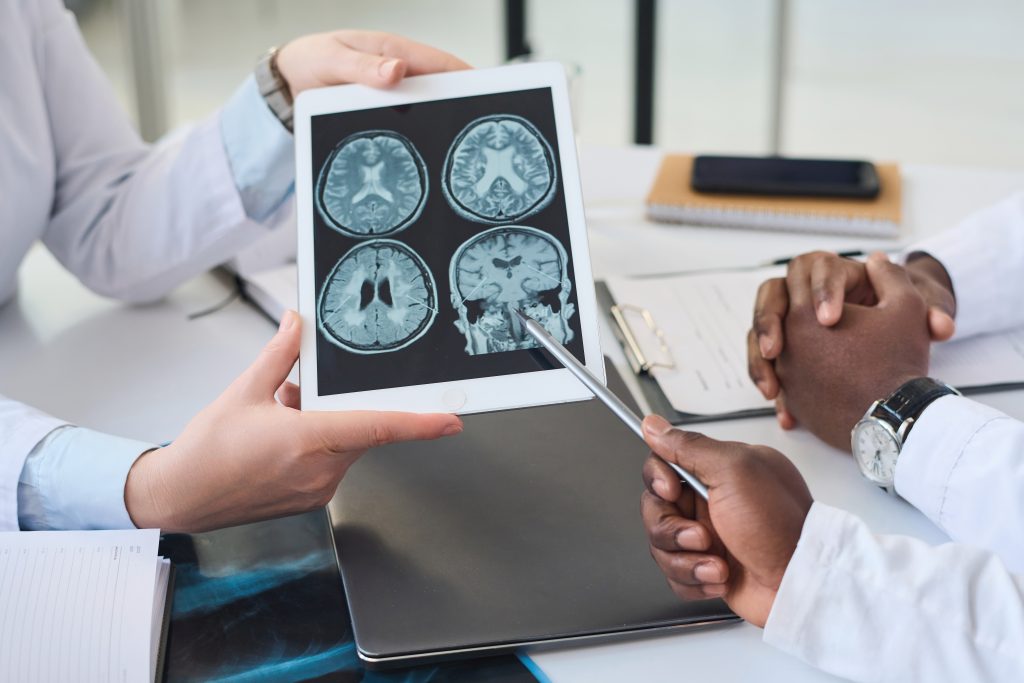
The diagnosis combines a neurological examination with various imaging tests.
The most commonly used tests include:
- Computed tomography (CT): helps rule out cerebral hemorrhage and identify early signs of infarction.
- Magnetic resonance imaging (MRI): provides greater sensitivity for detecting damaged brain tissue.
- CT angiography (CTA) or MR angiography (MRA): help identify the location of the blocked artery.
- Carotid Doppler ultrasound: evaluates possible narrowing of the arteries in the neck.
- Electrocardiogram (ECG) and echocardiogram: help identify cardiac abnormalities that may have caused the blood clot.
These tests help confirm the diagnosis and guide the selection of the most appropriate treatment.
Treatment of a large cerebral infarction
Treatment depends on the time elapsed since the onset of symptoms and the individual characteristics of the patient.
Intravenous thrombolysis
If the patient arrives at the hospital within the established treatment window and meets the medical eligibility criteria, medication may be administered to help dissolve the blood clot.
Mechanical thrombectomy
When the blockage affects a large artery, mechanical thrombectomy may be performed. This procedure involves inserting a catheter into the blocked artery to remove the blood clot and restore blood flow.
Medical treatment
It may also be necessary to administer:
- Medication to control blood pressure.
- Anticoagulant or antiplatelet therapy, depending on the cause of the infarction.
- Treatment to control blood glucose levels and other risk factors.
- Measures to prevent medical complications during hospitalization.
Decompressive surgery
In some patients, significant cerebral edema may develop, increasing pressure within the skull. In these situations, decompressive craniectomy may be considered to reduce intracranial pressure.
Possible complications
Due to the extent of the lesion, this type of infarction may be associated with various complications, including:
- Cerebral edema.
- Increased intracranial pressure.
- Seizures.
- Aspiration pneumonia.
- Infections during hospitalization.
- Deep vein thrombosis.
- Swallowing difficulties.
- Cognitive and emotional disturbances.
Medical follow-up and early detection of these complications are essential for improving clinical outcomes.
Recovery after a large cerebral infarction
Rehabilitation may include:
- Physiotherapy to restore mobility and balance.
- Occupational therapy to promote independence in activities of daily living.
- Speech and language therapy when speech or swallowing difficulties are present.
- Neuropsychological rehabilitation to address memory, attention, and other cognitive functions.
The extent of recovery will depend on the size of the infarction, the area of the brain affected, and the individual response to rehabilitation.
Prognosis
The prognosis of a large cerebral infarction varies considerably.
Some patients may regain a significant degree of independence through intensive rehabilitation, while others may experience permanent neurological deficits.
Factors that influence recovery include:
- How quickly blood flow is restored.
- The patient’s age.
- The location of the infarction.
- The presence of pre-existing medical conditions.
- The development of complications during hospitalization.
Can it be prevented?
Many cerebral infarctions can be prevented by controlling cardiovascular risk factors.
The main recommendations include:
- Maintaining healthy blood pressure levels.
- Managing diabetes and cholesterol levels.
- Avoiding smoking.
- Engaging in regular physical activity.
- Following a balanced diet.
- Maintaining a healthy body weight.
- Adhering to prescribed treatments for heart conditions, particularly atrial fibrillation.
Conclusion
A large cerebral infarction is a medical emergency that requires immediate attention. Rapid recognition of symptoms, early access to treatment, and a rehabilitation program tailored to each patient are key factors in improving recovery and reducing the impact of potential long-term neurological deficits. Appropriate management of risk factors can also help reduce the likelihood of future cerebrovascular events.
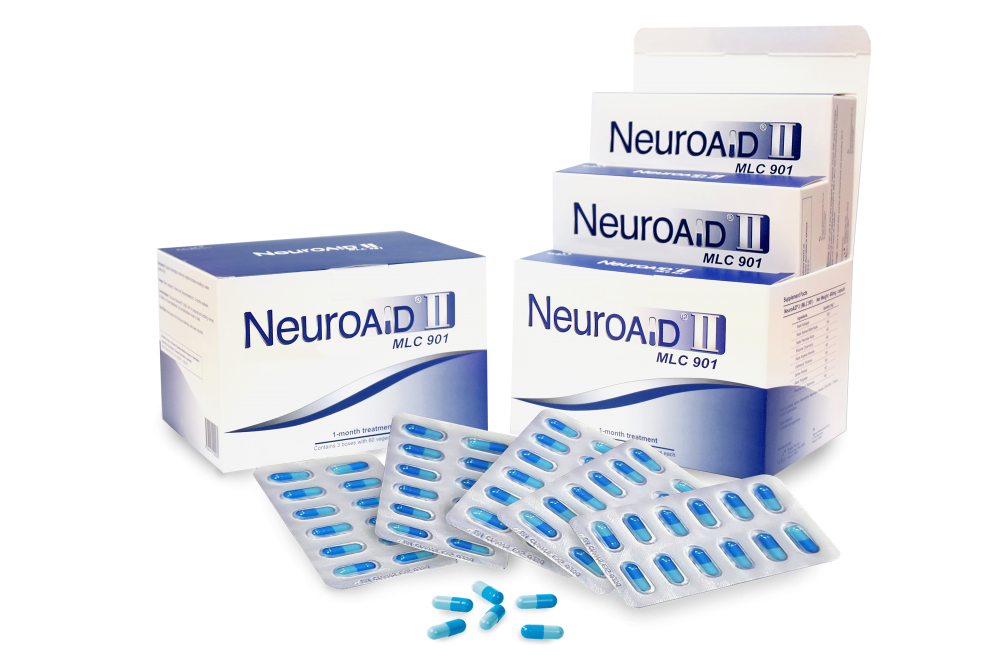
If you need information about NeuroAiD II, please fill out this contact form.
"*" indicates required fields


