

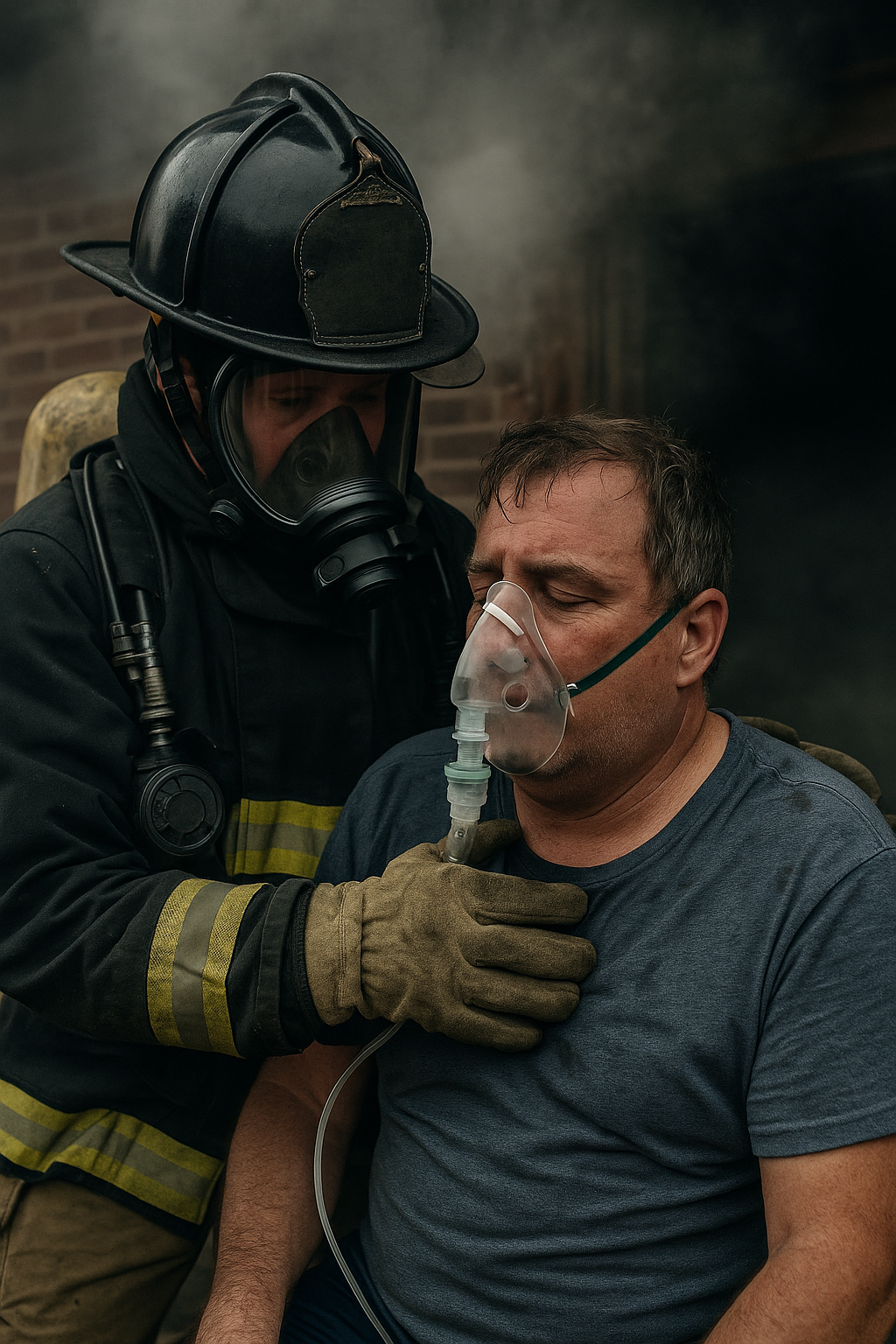

Toxic anoxia is a critical form of anoxia that can have devastating consequences within minutes. Unlike other forms of oxygen deprivation, in toxic anoxia oxygen is present in the environment and reaches the lungs, but the body’s cells are unable to utilize it due to interference from chemical substances or toxins. This condition, often underestimated, represents a silent threat that can arise in occupational, domestic, or even medical settings.
What is toxic anoxia?
Toxic anoxia is a disruption in the cellular utilization of oxygen caused by toxic substances that block the biochemical processes required for cells to use that oxygen. Although oxygen is available and delivered through the bloodstream, the mitochondria, the organelles responsible for energy production, are unable to use it due to the action of a toxic agent.
This type of anoxia particularly affects high energy-demand organs such as the brain, heart, and kidneys, and can lead to multiple organ failure if not managed promptly.
How does toxic anoxia occur?
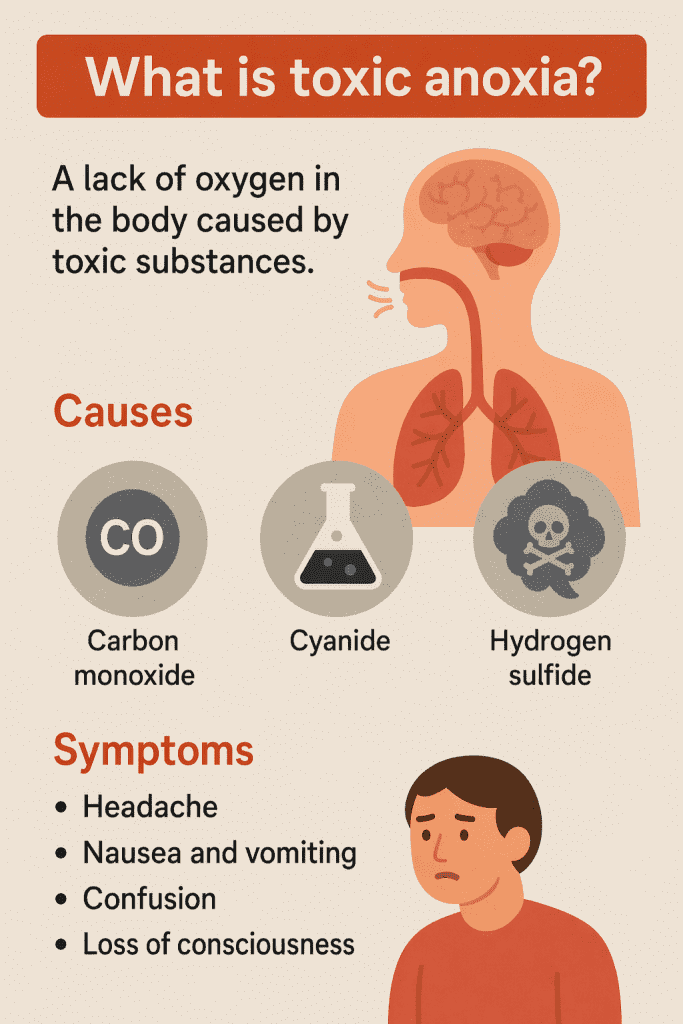
Toxic anoxia is usually the result of exposure to chemical substances that interfere with cellular metabolism. Some of the most common agents that cause toxic anoxia include:
-
Carbon monoxide (CO): one of the most common causes. It binds to hemoglobin with an affinity 200 times greater than oxygen, preventing its transport.
-
Cyanide: directly inhibits the mitochondrial electron transport chain, blocking cellular respiration.
-
Hydrogen sulfide (H₂S): another inhibitor of mitochondrial enzymes that blocks the utilization of oxygen.
-
Methanol and other industrial solvents: can be metabolized into toxic compounds that interfere with cellular metabolism.
-
Nitrites and nitrates: can oxidize hemoglobin to methemoglobin, which is unable to transport oxygen effectively.
Exposure can occur through inhalation, ingestion, dermal contact, or even from substances accumulated in the domestic or occupational environment.
Difference between toxic anoxia and other types
To properly understand toxic anoxia, it is useful to compare it with other types of anoxia:
-
In anoxic anoxia, oxygen is not present in the air.
-
In ischemic anoxia, blood flow is impaired.
-
In stagnant anoxia, oxygen does not circulate adequately.
-
In toxic anoxia, oxygen is present and reaches the tissues, but cannot be utilized by the cells.
This makes it an invisible threat and, in many cases, difficult to detect without awareness of the environment and potential chemical exposure.
Symptoms of toxic anoxia
The symptoms of toxic anoxia may be similar to those of other types of anoxia, but they often progress rapidly. The most common clinical signs include:
-
Sudden headache
-
Nausea and vomiting
-
Dizziness or loss of coordination
-
Mental confusion or altered level of consciousness
-
Rapid, shallow breathing
-
Seizures
-
Loss of consciousness
-
Reddish or bluish discoloration of the skin (depending on the toxin)
The brain is particularly sensitive to toxic anoxia. A delay in diagnosis can result in irreversible brain damage or death.
Diagnosis
The diagnosis of toxic anoxia involves a combination of clinical assessment, exposure history, and laboratory testing. The most commonly used tools include:
-
Detailed clinical history: to identify possible recent exposure to chemical substances.
-
Pulse oximetry and arterial blood gas analysis: may show normal oxygen levels, which can be misleading if toxic anoxia is not considered.
-
Carboxyhemoglobin or methemoglobin testing: in cases of carbon monoxide or nitrate poisoning.
-
Electrocardiogram (ECG) and neurological assessments: to evaluate systemic damage.
A high index of clinical suspicion is essential, especially in cases involving exposure to industrial environments, fire smoke, or handling of pesticides or solvents.
Treatment of toxic anoxia
Treatment of toxic anoxia must be rapid and targeted to the causative agent. The main strategies include:
-
Immediate removal of the toxic agent: remove the individual from the exposure site and ventilate the area.
-
100% oxygen therapy: to displace carbon monoxide or other toxins from hemoglobin.
-
Use of specific antidotes:
-
Hydroxocobalamin or sodium thiosulfate for cyanide poisoning.
-
Methylene blue in cases of methemoglobinemia.
-
-
Advanced life support: mechanical ventilation, cardiac monitoring, hemodynamic support.
-
Hyperbaric chamber: particularly useful in carbon monoxide poisoning, as it accelerates the elimination of CO from the body.
-
Detoxification therapies: in severe cases, hemodialysis may be considered.
Treatment must be tailored to each case and to the specific agent involved, with close monitoring in intensive care units if there is multisystem involvement.
Prognosis

The prognosis of toxic anoxia depends on:
-
The specific toxic agent
-
The amount and duration of exposure
-
The time to medical intervention
-
The individual’s overall health status
When detected and treated promptly, many individuals recover completely. However, prolonged exposure or delayed intervention may result in permanent neurological sequelae or be fatal.
Prevención
Prevention of toxic anoxia relies on education, environmental control, and adherence to safety regulations. Key recommendations include:
-
Use of masks or respirators in industrial environments
-
Carbon monoxide detectors in homes and garages
-
Adequate ventilation in enclosed spaces
-
Responsible handling of household and agricultural chemical products
-
Training in first aid and evacuation protocols
In occupational settings, the implementation of workplace safety programs is essential to reduce the risk of toxic anoxia.
Conclusion
Toxic anoxia is a form of anoxia caused by chemical substances that prevent the body’s cells from utilizing oxygen. Despite oxygen being available, the organism cannot use it, leading to a critical condition within a very short time.
Recognizing its causes, symptoms, and treatment strategies is essential for timely and effective intervention. Education, prevention, and immediate medical response are key to reducing the impact of this dangerous and often underestimated condition.
If you would like more information about NeuroAiD II, please fill out this contact form.
"*" indicates required fields


