



Loss of sensation following a stroke is one of the neurological sequelae that may occur after a cerebrovascular event. Although stroke is commonly associated with muscle weakness or speech difficulties, sensory disturbances are also common and can significantly affect daily activities and quality of life.
Reduced or absent sensation may affect the hand, arm, leg, face, or even an entire side of the body. In some cases, these sensory deficits occur immediately after the stroke, while in others, they become more noticeable during the recovery process.
Why does loss of sensation occur after a stroke?
Sensation depends on a complex network of nerves and brain regions responsible for receiving and processing sensory information from the body.
When a stroke affects these regions, signals associated with touch, pressure, temperature, or pain may no longer be processed correctly. As a result, individuals may experience reduced sensation or altered perception of normal sensory stimuli.
The location of the stroke directly influences the type of sensory impairment that may develop.
What types of sensation can be affected?

Loss of sensation does not always manifest in the same way. Some individuals report mild numbness, while others have significantly reduced awareness of physical contact with the skin.
The most common sensory disturbances include:
-
Reduced sensitivity to touch.
-
Numbness.
-
Decreased temperature perception.
-
Difficulty identifying the position of a limb without looking at it (impaired proprioception).
-
Altered pain perception.
-
A sensation that part of the body has “fallen asleep.”
In some cases, sensory loss may coexist with abnormal sensations, such as tingling, pins and needles, or burning sensations (paresthesia).
Which parts of the body are commonly affected?
Sensory impairment can occur in virtually any part of the body, although it more commonly affects the side of the body opposite to the hemisphere of the brain affected by the stroke.
The most commonly affected areas include:
-
Hands and fingers.
-
Arms.
-
Legs.
-
Feet.
-
Face.
-
Lips.
The extent of sensory loss depends on the size and location of the brain lesion.
How can sensory loss affect daily activities?
Sensation plays a fundamental role in virtually every movement we perform.
When sensory function is impaired, simple activities such as holding a glass, writing, walking, or buttoning a shirt may become more challenging because the brain receives less information about limb position and physical contact.
Some individuals may need to constantly look at their hands while performing tasks to compensate for reduced sensory feedback.
It may also become more difficult to identify objects through touch alone or detect temperature changes when touching a surface.
Is loss of sensation after a stroke always permanent?
Not necessarily.
During the first few months following a stroke, the nervous system undergoes a significant process of reorganization. Through neuroplasticity, some individuals may recover part or even a substantial proportion of their lost sensory function.
In other cases, recovery may be partial, with certain sensory impairments persisting over the long term.
The extent of recovery depends on several factors, including stroke severity, the affected brain region, and individual differences in neurological recovery.
Can sensation recover over time?
Yes, sensory function may improve as stroke recovery progresses.
In some patients, sensation gradually improves during the first few months following a stroke. In others, recovery may continue at a slower pace, even more than a year after the cerebrovascular event.
However, the degree of sensory recovery varies between individuals, as each patient’s neurological recovery process is different.
Is there a relationship between sensory loss and muscle weakness?
Although sensory loss and muscle weakness may occur together, they are distinct neurological impairments.
Muscle weakness affects the ability to move a part of the body, whereas sensory loss alters how the brain perceives sensory stimuli.
Individuals may experience significant sensory impairment while retaining some muscle strength, or develop muscle weakness with relatively preserved sensation.
However, both neurological deficits may coexist when a stroke affects brain regions involved in both motor control and sensory processing.
Other sensory disturbances
Not all individuals experience a complete loss of sensation. Some develop alterations in how they perceive sensory stimuli.
The sensory disturbances that may occur include:
-
Persistent tingling.
-
Sensations of cold or warmth without an apparent external cause.
-
Pins and needles sensations.
-
Burning sensations.
-
Increased sensitivity to touch (hyperesthesia).
-
Abnormal sensations that are difficult to describe.
These manifestations are also among the possible sensory sequelae of a stroke.
Conclusion
Loss of sensation following a stroke is a common neurological sequela that can affect the perception of touch, temperature, pain, and body position (proprioception). The severity and progression of sensory impairment depend on the location of the stroke and each patient’s individual recovery response.
Although the extent of recovery varies between individuals, understanding the mechanisms underlying sensory impairment provides valuable insight into one of the less visible yet common consequences of stroke.
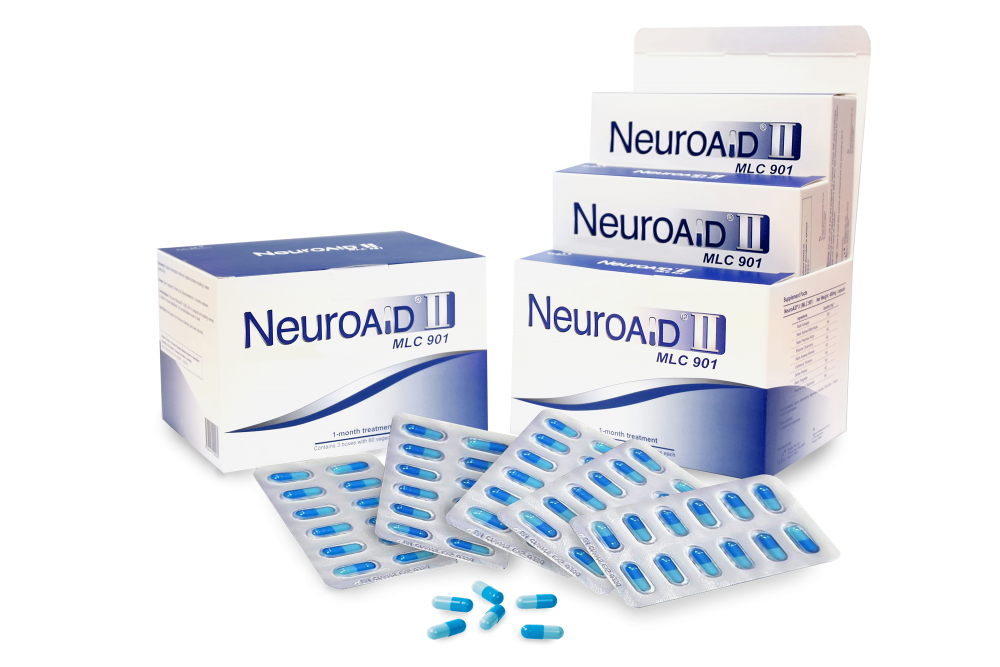
If you would like more information about NeuroAiD II, please complete this contact form.
"*" indicates required fields


