



Tingling before a stroke is one of the neurological symptoms that may occur before a stroke. Although many people associate a stroke with sudden muscle weakness or difficulty speaking, some patients experience abnormal sensations in different parts of the body before the event.
It is important to understand that not all tingling sensations indicate a cerebrovascular problem. However, when tingling occurs suddenly, affects only one side of the body, or is accompanied by other neurological symptoms, it may be a warning sign of a stroke that requires immediate medical attention.
What is tingling?
Tingling, medically known as paraesthesia, is an abnormal sensation that may be described as pins and needles, numbness, prickling, or an electric shock-like feeling in a particular area of the body. It can affect the hands, arms, legs, feet, or even the face.

In many cases, tingling has benign causes, such as poor posture or temporary nerve compression. However, it may also be associated with neurological conditions, circulatory disorders, or abnormalities affecting the brain.
When we refer to tingling before a stroke, we mean a sensation caused by a temporary or permanent disruption of blood flow to the brain, affecting the areas responsible for processing bodily sensations.
Why can tingling occur before a stroke?
The brain requires a constant supply of oxygen and nutrients to function properly. When a cerebral artery becomes blocked or ruptures, certain regions of the brain no longer receive an adequate blood supply.
If the affected areas are involved in sensory processing, the patient may experience tingling before a stroke, even before other more noticeable symptoms appear. In some cases, this sensation lasts only a few minutes and disappears spontaneously. In others, it rapidly progresses to more severe symptoms.
A transient ischaemic attack (TIA), also known as a mini-stroke, may cause episodes of tingling that can serve as a warning sign of a stroke. Although the symptoms may disappear within a short period, the risk of experiencing a full stroke in the following days or weeks increases considerably.
How to recognise tingling that may be a warning sign
The main difference between ordinary tingling and tingling that may be a warning sign of a stroke lies in how the sensation develops and presents itself.
Some warning signs include:
-
Sudden onset.
-
Tingling affecting only one side of the body.
-
Tingling in the arm, leg, or face on the same side of the body.
-
Tingling accompanied by muscle weakness.
-
Difficulty speaking or understanding language.
-
Sudden visual disturbances.
-
Balance or coordination problems.
When tingling that may be a warning sign of a stroke occurs alongside any of these symptoms, it is essential to seek emergency medical attention without delay.
Which parts of the body are commonly affected?
Tingling before a stroke can occur in different parts of the body, depending on the area of the brain affected.
The most commonly affected areas include:
-
Face.
-
Hand.
-
Arm.
-
Leg.
-
Foot.
Many patients describe a sensation of numbness affecting only one side of the body. This unilateral distribution is a particularly important clinical characteristic.
For example, a person may experience tingling in their left hand and arm before a stroke, while retaining normal sensation on the right side of their body.
Does tingling always occur before a stroke?
Although tingling can be a warning sign of a stroke, most episodes of tingling have other, less serious causes.

Common causes include:
-
Nerve compression.
-
Peripheral neuropathies.
-
Vitamin B12 deficiency.
-
Anxiety.
-
Migraines.
-
Cervical spine problems.
-
Diabetes.
For this reason, the clinical context is essential for correctly interpreting the symptom. A healthcare professional will assess factors such as age, cardiovascular history, high blood pressure, diabetes, and pre-existing medical conditions.
What to do if you experience tingling that may be a warning sign of a stroke
Acting quickly is essential. When a stroke is suspected, every minute counts. The sooner blood flow to the brain is restored, the greater the chances of reducing neurological damage and improving the prognosis.
If a person experiences tingling that may be a warning sign of a stroke, accompanied by other neurological symptoms, emergency services should be contacted immediately.
It is not advisable to wait for the symptoms to disappear or to drive yourself to a healthcare facility. Even if the tingling disappears completely, it is important to undergo a medical assessment to rule out a transient ischaemic attack (TIA).
Conclusion
Tingling before a stroke can be an important warning sign when it occurs suddenly, affects only one side of the body, or is accompanied by other neurological symptoms. Although there are many benign causes of tingling, recognising when it may be associated with a cerebrovascular problem is essential for taking prompt action.
If tingling is suspected to be a warning sign of a stroke, seeking urgent medical attention can make a significant difference in the patient’s diagnosis, treatment, and recovery.
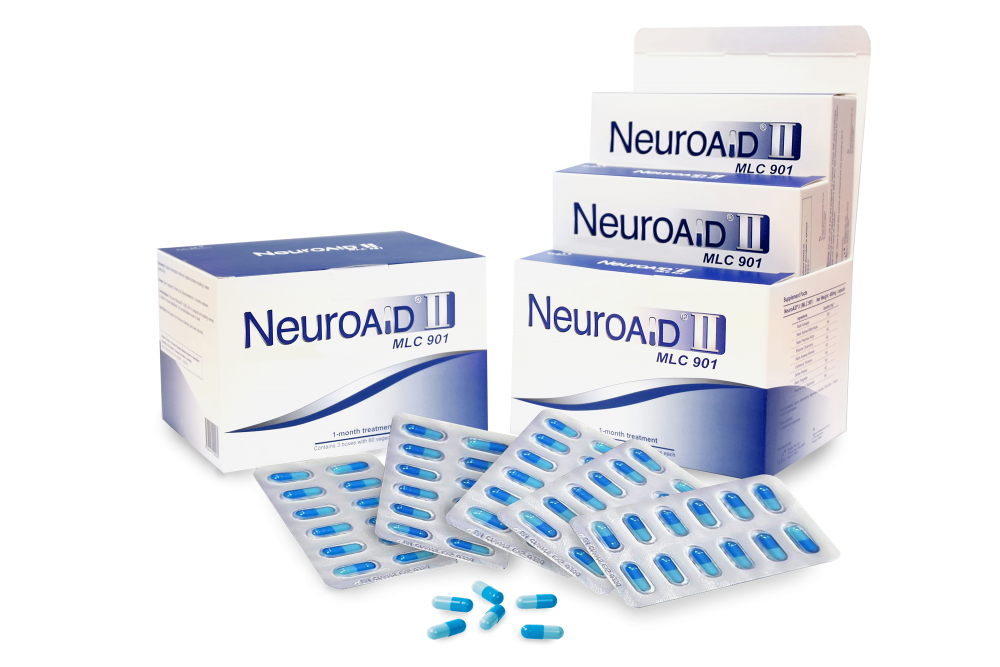
If you would like more information about NeuroAiD II, please complete this contact form
"*" indicates required fields


