



Neuronal diabetes is a term used to describe the neurological complications associated with diabetes mellitus. This metabolic disease, characterized by chronic hyperglycemia, not only affects organs such as the kidneys, heart, or eyes, but also compromises the nervous system. Neuronal diabetes includes different types of neuropathies that damage nerve fibers, leading to symptoms ranging from pain and muscle weakness to cognitive impairment and reduced quality of life.
What is neuronal diabetes?
The term neuronal diabetes refers to the effects that diabetes exerts on the peripheral and central nervous system. Persistent metabolic disturbance leads to damage in sensory, motor, and autonomic nerves, causing a wide range of symptoms depending on the affected area.
Neuronal diabetes most commonly manifests as diabetic neuropathy, which is one of the most frequent complications of long-standing diabetes. It is estimated that up to 50% of diabetic patients develop some degree of neuropathy over time.

Causes and risk factors of neuronal diabetes
The main causes of neuronal diabetes are associated with:
-
Chronic hyperglycemia: damages the blood vessels that supply the nerves and causes direct toxicity to nerve fibers.
-
Oxidative stress: excess free radicals damage the myelin sheath and the axon of neurons.
-
Chronic inflammation: diabetes activates inflammatory mechanisms that cause microlesions in the nervous system.
-
Nerve ischemia: diabetic microangiopathy reduces blood flow to the nerves.
-
Insulin resistance: alters energy function and the neuronal repair capacity.
Risk factors include poor glycemic control, hypertension, dyslipidemia, obesity, smoking, and long-standing diabetes.
Types of complications in neuronal diabetes
-
Peripheral neuropathy: the most common type, affecting the feet and hands, causing pain, tingling, burning sensations, or loss of sensitivity.
-
Autonomic neuropathy: affects the nerves that control involuntary functions, such as digestion, heart rate, blood pressure, and sexual function.
-
Focal neuropathy: affects a specific nerve suddenly, causing localized pain or weakness.
-
Proximal neuropathy (diabetic amyotrophy): causes pain in the hips, thighs, or buttocks, accompanied by muscle weakness.
In severe cases, neuronal diabetes can involve a combination of several forms, making diagnosis and treatment more difficult.
Symptoms of neuronal diabetes
The symptoms of neuronal diabetes depend on the type of neuropathy, but the most common include:
-
Tingling, burning, or numbness in the feet and hands
-
Sharp or stabbing pain in the extremities
-
Loss of reflexes and muscle weakness
-
Difficulty walking or maintaining balance
-
Dizziness or fainting due to blood pressure alterations
-
Digestive problems such as gastroparesis, nausea, or diarrhea
-
Urinary disorders and erectile dysfunction
-
Alterations in sweating and temperature regulation
The progression of diabetic neuropathy can lead to foot ulcers, severe infections, and even amputations in extreme cases.
Pathophysiological mechanisms
Diabetic neuropathy arises from multiple mechanisms:
-
Axonal degeneration: elevated glucose interferes with the transport of nutrients and signals in neurons.
-
Demyelination: the insulating sheath of the nerves is damaged, slowing nerve conduction.
-
Nerve hypoxia: reduced blood flow limits the supply of oxygen to the nerves.
-
Neuroinflammation: activation of immune cells worsens nerve damage.
These processes explain why diabetic neuropathy is progressive and difficult to reverse if not addressed in time.
Diagnosis of diabetic neuropathy

The diagnosis of diabetic neuropathy is based on:
-
Medical history: typical symptoms in a patient with long-standing diabetes.
-
Physical and neurological examination: assessment of reflexes, sensation, and muscle strength.
-
Complementary tests:
-
Electromyography (EMG) and nerve conduction studies.
-
Autonomic evaluation (heart rate variability, sweating tests).
-
Neuroimaging in specific cases.
-
Early diagnosis of diabetic neuropathy is key to preventing irreversible complications.
Treatment of diabetic neuropathy
The treatment of diabetic neuropathy focuses on several approaches:
Strict glycemic control
-
Maintaining blood glucose levels within appropriate ranges is the best way to prevent the progression of nerve damage.
-
The use of insulin or patient-tailored oral antidiabetic agents is essential.
Management of neuropathic pain
-
Medications such as gabapentin, pregabalin, or duloxetine.
-
Topical analgesics such as lidocaine or capsaicin patches.
Management of autonomic complications
-
Medications to regulate blood pressure or gastric emptying.
-
Therapies for erectile dysfunction or urinary disorders.
Complementary strategies
-
Antioxidant and neuroprotective supplements.
-
Physiotherapy to improve strength and mobility.
-
Patient education on foot care and injury prevention.
Prevention of diabetic neuropathy
Diabetic neuropathy can be prevented or delayed if appropriate measures are applied:
-
Strict glycemic control with HbA1c monitoring.
-
A healthy diet rich in fruits, vegetables, and fiber.
-
Regular physical exercise to improve circulation and insulin sensitivity.
-
Avoid tobacco and alcohol.
-
Regular check-ups to detect early signs of neuropathy.
Impact of diabetic neuropathy on quality of life
Diabetic neuropathy not only causes pain and disability, but also affects the patient’s independence and mental health. Loss of sensation increases the risk of accidents, while chronic pain can lead to depression or anxiety.
Therefore, management should be comprehensive, combining medical treatment, psychological support, and education of the patient and their family.
Conclusion
Diabetic neuropathy is a common and serious complication of diabetes mellitus. It is characterized by progressive damage to peripheral and autonomic nerves, leading to disabling symptoms and an increased risk of major complications.
Early diagnosis, proper glycemic control, management of risk factors, and a multidisciplinary approach are key to preventing its progression and improving patients’ quality of life.
Recognizing and treating diabetic neuropathy early can make the difference between an active, independent life and one marked by pain and disability.
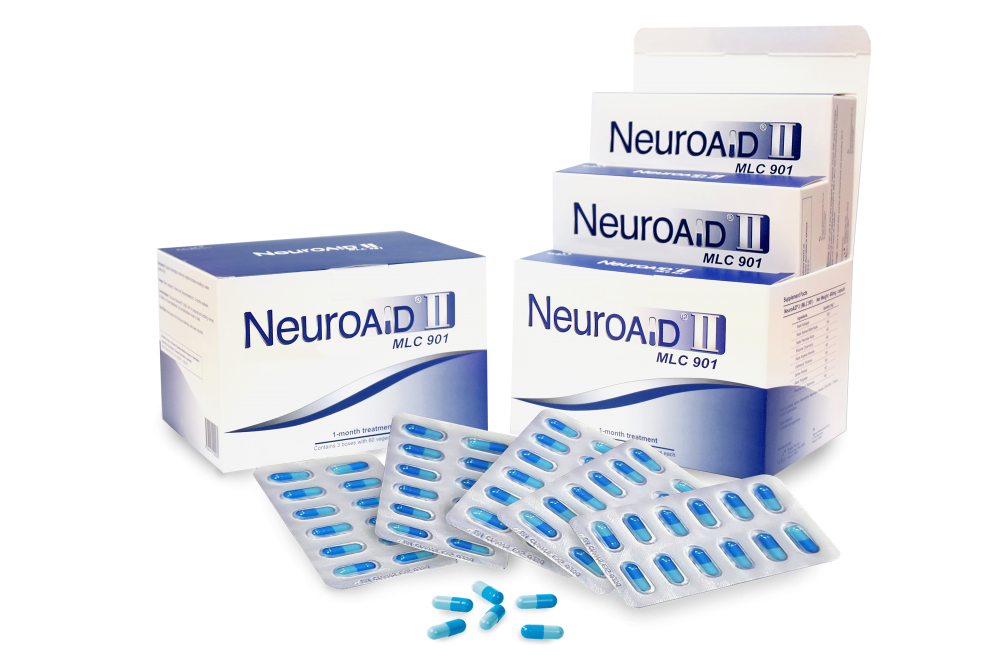
If you would like more information about NeuroAiD II, please fill out this contact form.
"*" indicates required fields


