


Post-stroke fatigue is one of the most frequent and least recognized sequelae following a cerebrovascular accident. Unlike muscle weakness or mobility impairments, which are visible and measurable, fatigue is subjectively perceived and is often underestimated in clinical practice. However, its impact on the patient’s daily life is profound: it limits rehabilitation capacity, reduces quality of life, and negatively affects social and occupational reintegration.
What is post-stroke fatigue
Post-stroke fatigue is defined as an overwhelming sensation of physical, mental, or combined exhaustion that does not significantly improve with rest. Unlike normal fatigue, which is relieved after sleep or a period of rest, post-stroke fatigue is persistent and disproportionate to the level of exertion.
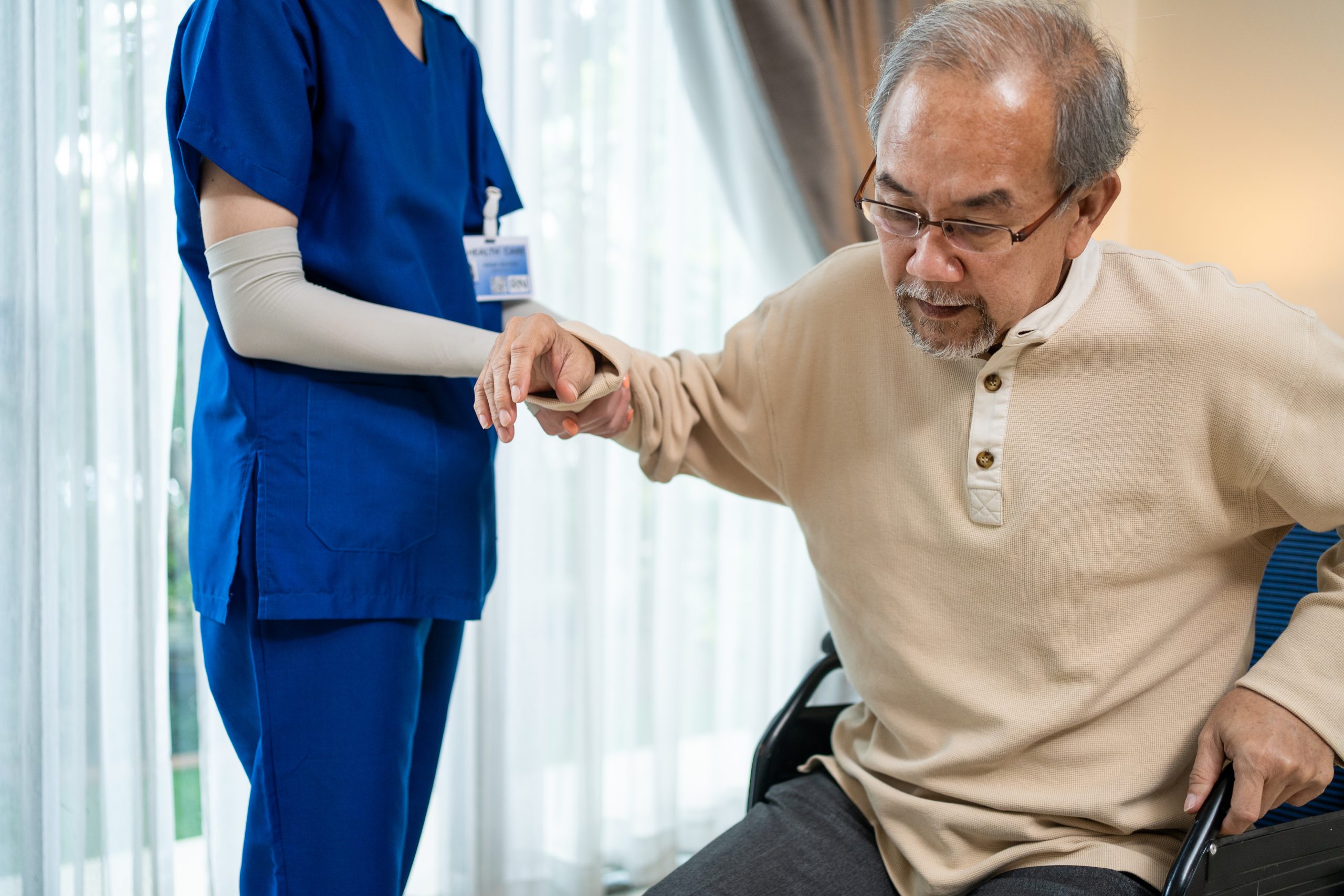
It can occur at any time after the stroke, whether during the acute, subacute, or even years after the event. Many patients describe this fatigue as a constant exhaustion that limits simple activities such as dressing, cooking, or reading.
Prevalence
Clinical studies indicate that between 40% and 70% of patients experience post-stroke fatigue to some degree. In many cases, it persists even after recovery of mobility and cognitive functions, demonstrating that it is not always directly related to stroke severity or the extent of physical sequelae.
Causes of post-stroke fatigue
The origin of post-stroke fatigue is multifactorial and not fully understood. Among the most widely accepted hypotheses are:
-
Brain alterations
-
Damage to brain regions involved in the regulation of alertness and energy levels.
-
Alterations in neurotransmitters such as serotonin, dopamine, and norepinephrine.
-
-
Physiological processes
-
Chronic inflammation following the stroke.
-
Oxidative stress and metabolic dysfunction at the neuronal level.
-
Problemas en el sueño debido a apnea, insomnio o alteraciones del ritmo circadiano.
-
-
Psychological factors
-
Post-stroke depression and anxiety, which intensify the perception of fatigue.
-
Emotional stress due to loss of independence.
-
-
Social and environmental factors
-
Social isolation and lack of stimulating activities.
-
Overload of responsibilities in patients attempting to return to work.
-
-
Associated medical factors
-
Chronic pain, spasticity, or muscle stiffness.
-
Side effects of medications such as antidepressants or anticoagulants.
-
Symptoms of post-stroke fatigue
Post-stroke fatigue can manifest in various ways:
-
Persistent sensation of physical exhaustion.
-
Difficulty maintaining concentration on simple tasks.
-
Frequent need to rest after minimal activities.
-
Sensation of mental fatigue following conversations or reading.
-
Irritability and lack of motivation.
-
Worsening of performance in rehabilitation.
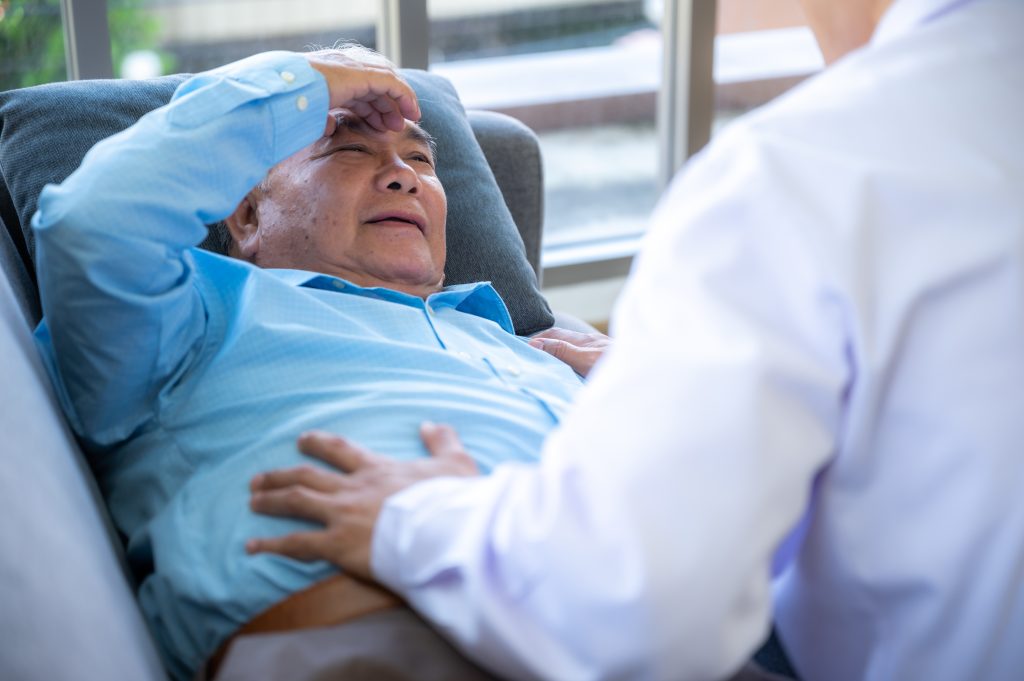
A key aspect is that post-stroke fatigue is not always related to the level of physical activity performed, but can occur even at rest.
Difference between fatigue, depression, and weakness
It is important to differentiate post-stroke fatigue from other conditions:
-
Muscle weakness: refers to a lack of strength in the muscles, whereas fatigue is a global sensation of exhaustion.
-
Post-stroke depression: although both may coexist, fatigue is not always accompanied by sadness or loss of interest.
-
Drowsiness: fatigue is not resolved by sleep, whereas drowsiness improves with rest.
Consequences in the patient’s life
Post-stroke fatigue has a significant impact on multiple aspects:
-
Rehabilitation: fatigued patients engage less in physical and cognitive therapies.
-
Autonomy: simple activities such as dressing, personal hygiene, or cooking require more time and effort.
-
Social life: persistent fatigue promotes isolation and reduces participation in family or community activities.
-
Work life: many patients are unable to return to work due to persistent fatigue.
-
Quality of life: the persistent sensation of exhaustion leads to frustration and reduced self-esteem.
Diagnosis
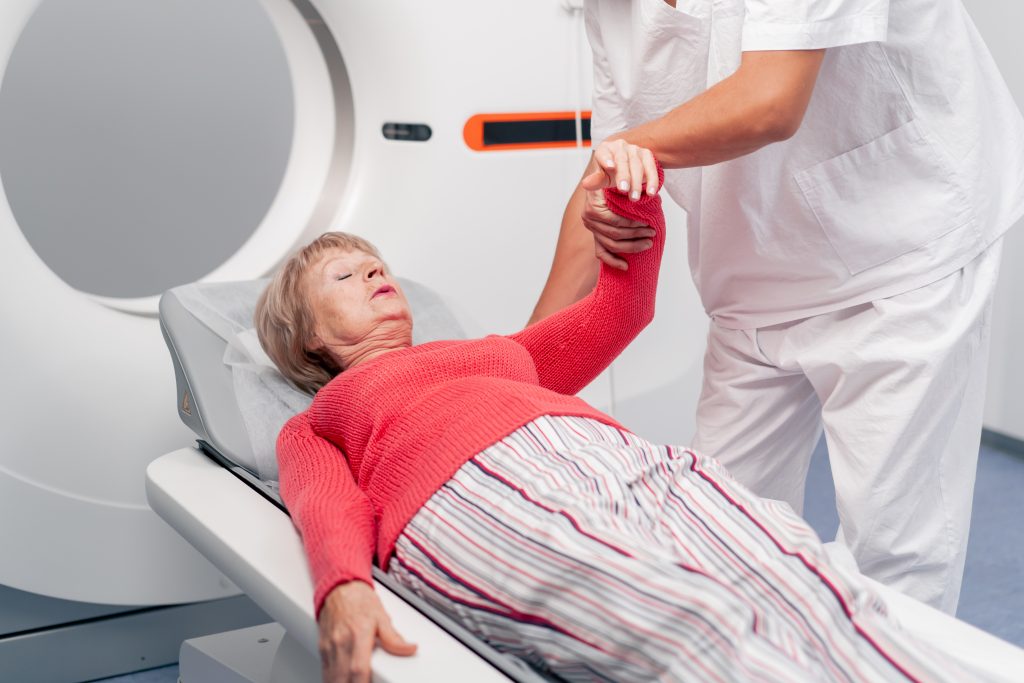
The diagnosis of post-stroke fatigue is primarily based on clinical assessment and the use of specific questionnaires, such as the Fatigue Severity Scale (FSS) or the Multidimensional Fatigue Inventory (MFI). It is also essential to rule out other causes such as anemia, hypothyroidism, or sleep apnea.
Treatment of post-stroke fatigue
-
Pharmacological interventions
-
Some studies suggest the use of selective serotonin reuptake inhibitors (SSRIs) in patients with fatigue associated with depression.
-
Stimulants such as modafinil have been used in certain cases, although the evidence is limited.
-
-
Non-pharmacological therapies
-
Adapted physical exercise: walking programs or progressive physiotherapy improve endurance and reduce fatigue.
-
Cognitive behavioral therapy: helps manage negative thoughts and optimize the use of available energy.
-
Time management strategies: establishing schedules with regular breaks and prioritizing essential tasks.
-
Sleep hygiene: improving sleep habits, avoiding screens before bedtime, and maintaining regular schedules.
-
-
Social interventions
-
Family support to help distribute household responsibilities.
-
Participation in stroke support groups to share experiences.
-
-
Healthy lifestyle habits
-
Balanced, nutrient-rich diet.
-
Adequate hydration.
-
Reduction of excessive alcohol and caffeine consumption.
-
Prevention
Prevention of post-stroke fatigue is based on early detection and proactive intervention:
-
Assess the presence of fatigue during follow-up consultations.
-
Initiate physical activity programs starting in the subacute phase.
-
Educate the patient and family on the importance of energy management.
-
Avoid overexertion during the early stages of recovery.
Conclusion
Post-stroke fatigue is an invisible yet profoundly disabling sequela. It affects not only rehabilitation outcomes but also patient autonomy and quality of life. Recognizing it as a real clinical condition and implementing multidimensional strategies is essential to improve recovery and reduce the emotional and social impact of stroke.
Ultimately, addressing post-stroke fatigue should be a priority in comprehensive patient care, alongside physical rehabilitation and the management of other sequelae. Only in this way can a more complete recovery and effective reintegration into daily life be achieved.
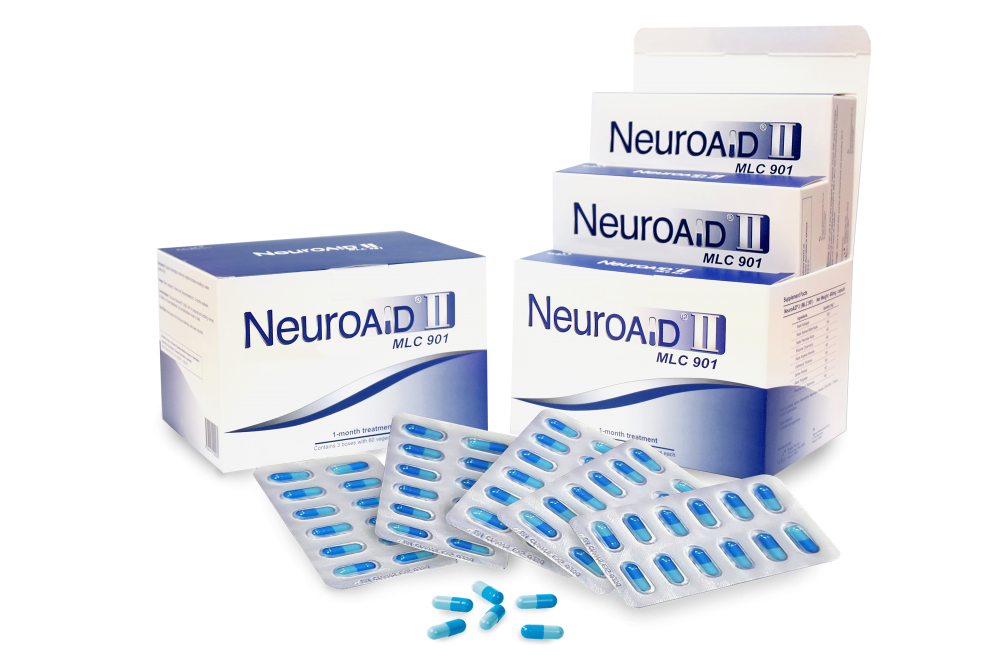
If you would like more information about NeuroAiD II, please fill out this contact form.
"*" indicates required fields


