




Pseudobulbar syndrome is a neurological disorder characterized by involuntary episodes of laughing or crying that do not necessarily reflect the person’s emotional state. These manifestations occur as a result of damage to specific brain pathways involved in regulating emotional expression and can significantly affect the patient’s social and family life.
Although it is commonly associated with neurological conditions such as stroke, amyotrophic lateral sclerosis (ALS), or certain forms of dementia, pseudobulbar syndrome remains a relatively poorly understood condition and is frequently mistaken for psychiatric or emotional disorders.
What is pseudobulbar syndrome?
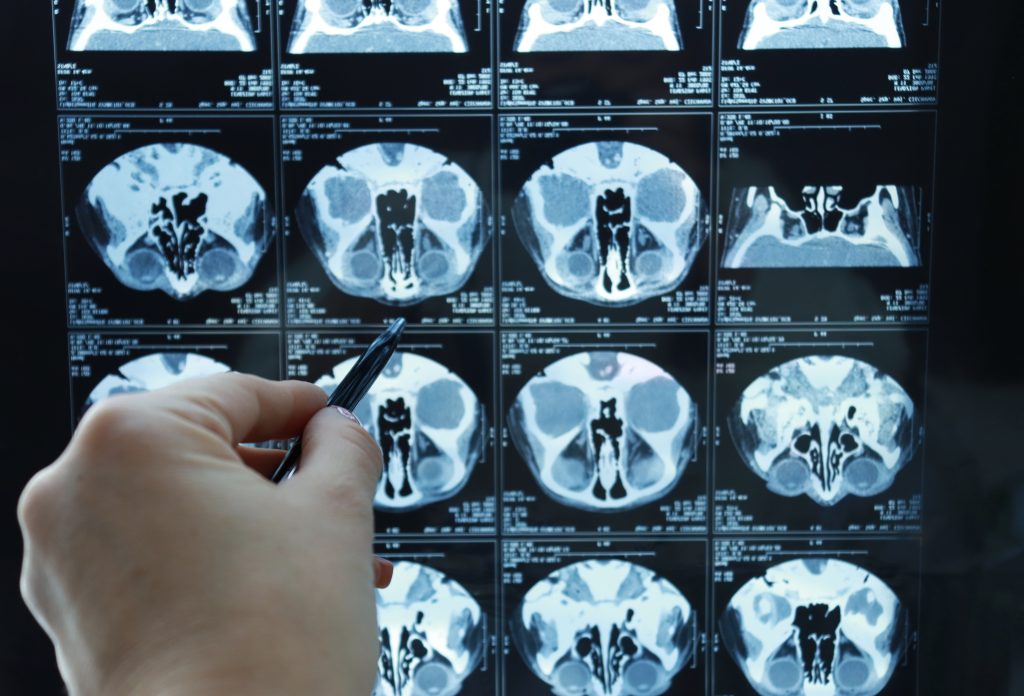
Pseudobulbar syndrome, also known as pseudobulbar affect, is a neurological disorder that causes a loss of voluntary control over emotional expression.
Affected individuals may experience sudden episodes of laughing or crying that occur for no apparent reason or whose intensity is disproportionate to the situation they are experiencing. They may even cry when they do not feel sad or laugh at inappropriate times.
This phenomenon occurs because brain lesions disrupt the neural circuits responsible for modulating emotional responses.
What are the causes?
Pseudobulbar syndrome occurs when there is damage to the connections between the cerebral cortex and the brainstem, regions involved in the control of emotions and facial muscle function.
The most common causes include:
- Stroke.
- Traumatic brain injury.
- Amyotrophic lateral sclerosis (ALS).
- Multiple sclerosis.
- Alzheimer’s disease.
- Vascular dementia.
- Parkinson’s disease.
- Brain tumors.
- Other neurodegenerative diseases.
In some patients, multiple small accumulated lesions can produce the same effect as a single extensive lesion.
Symptoms of pseudobulbar syndrome
The main symptom consists of involuntary emotional episodes that occur suddenly.
The most common signs include:
- Uncontrollable crying.
- Excessive or inappropriate laughter.
- Brief, recurrent episodes.
- Difficulty stopping the episodes.
- Disproportionate emotional expression.
- Frustration due to loss of control.
- Embarrassment in social situations.
- Progressive social isolation.
Between episodes, the person may feel completely calm and emotionally stable.
How does it differ from depression?
One of the main diagnostic challenges is distinguishing pseudobulbar syndrome from depression.
Depression is characterized by persistent symptoms such as sadness, loss of interest, sleep disturbances, or feelings of hopelessness.
In contrast, pseudobulbar syndrome is characterized by brief episodes of laughing or crying that occur automatically and do not necessarily reflect the patient’s actual emotional state.
Both conditions may coexist, particularly in people who have experienced a stroke or have other neurological disorders.
How is it diagnosed?
Diagnosis is based on a clinical assessment performed by a specialist.
The following factors are taken into consideration:
- Medical history.
- Frequency and intensity of the episodes.
- Neurological examination.
- Neuropsychological assessment.
- Brain magnetic resonance imaging (MRI) or computed tomography (CT) when indicated.
Diagnosis also requires ruling out other conditions that may cause similar disturbances in emotional expression.
Treatment
The management of pseudobulbar syndrome depends on both the underlying neurological condition and the severity of the symptoms.
Treatment options may include:
- Specific medications to reduce the frequency of episodes.
- Certain antidepressants used for their regulatory effect on emotional expression.
- Treatment of the underlying condition responsible for the neurological damage.
- Neurological follow-up and rehabilitation when necessary.
The goal is to improve control of the episodes and reduce their impact on daily life.
Impact on daily life
Pseudobulbar syndrome can cause significant social difficulties.
Many patients avoid family gatherings, conversations, or public activities for fear of experiencing an unexpected episode.
In addition, people who are unfamiliar with the condition may interpret these reactions as exaggerated or intentional, which can increase social isolation and misunderstanding.
Education and support for family members and caregivers play an important role in promoting better adaptation.
Prognosis

The clinical course depends primarily on the underlying neurological condition that caused the syndrome.
In some cases, the episodes remain relatively stable for years, while in others they progress alongside the underlying condition.
Early identification and specialist follow-up can help improve symptom control and minimize their functional and social impact.
Conclusion
Pseudobulbar syndrome is a neurological disorder that causes involuntary episodes of laughing or crying due to damage to the brain circuits that regulate emotional expression. Although it commonly occurs after a stroke or in association with other neurological conditions, it may be mistaken for psychological disorders if not properly recognized. An accurate diagnosis helps distinguish this condition from other emotional disorders and guides the most appropriate management for each patient.
If you need information about NeuroAiD II, you can fill out this contact form
"*" indicates required fields


