



A temporal lobe infarction is a type of ischemic stroke affecting a region of the brain involved in essential functions such as memory, language comprehension, sound recognition, and emotional processing. Depending on which side of the brain is affected and the extent of the lesion, clinical manifestations can vary considerably, which may sometimes make the condition difficult to identify during the first few hours.
Understanding how an infarction occurs in this region helps to better interpret the associated symptoms and highlights the importance of early diagnosis.
What Is a temporal lobe infarction?

A temporal lobe infarction occurs when blood flow to this region of the brain is interrupted due to an arterial blockage. Without an adequate supply of oxygen and nutrients, neurons begin to sustain damage within minutes.
The temporal lobe is located on both sides of the brain, approximately at the level of the temples. Its blood supply is primarily provided by branches of the middle cerebral artery and, in certain regions, by the posterior cerebral artery.
Functions of the temporal lobe
This region of the brain is involved in several essential processes, including:
- Formation and storage of memories.
- Language comprehension.
- Processing of auditory information.
- Recognition of faces and objects.
- Regulation of certain emotional responses.
- Integration of complex sensory information.
Therefore, a lesion in this region can affect different functional abilities depending on which cerebral hemisphere is involved.
Symptoms of a temporal lobe infarction
Clinical manifestations depend on the precise location of the infarction and on whether it affects the dominant hemisphere (typically the left hemisphere in right-handed individuals) or the non-dominant hemisphere.
The most common symptoms include:
- Difficulty understanding spoken or written language.
- Difficulty recalling recent information.
- Short-term memory impairment.
- Confusion or disorientation.
- Difficulty recognizing familiar people or objects.
- Changes in auditory perception.
- Emotional disturbances or behavioral changes.
- Visual disturbances when adjacent structures are also affected.
- Seizures in some cases.
Not all patients experience the same symptoms, as the temporal lobe contains different regions with specific functional roles.
Which arteries are commonly involved?
Most temporal lobe infarctions result from occlusion of:
- Inferior branches of the middle cerebral artery.
- The posterior cerebral artery in more posteriorly located lesions.
- Small perforating arteries in smaller infarctions.
The vascular territory involved determines which structures within the temporal lobe are affected.
Diagnosis
When a stroke is suspected, diagnosis should be performed promptly through neurological assessment and neuroimaging studies.
The most commonly used diagnostic techniques include:
- Computed tomography (CT).
- Magnetic resonance imaging (MRI).
- Computed tomography angiography or magnetic resonance angiography to assess the cerebral arteries.
- Cardiac investigations when an embolic origin is suspected.
These tests help identify the location of the infarction and guide clinical management.
Potential consequences
The long-term effects depend on several factors, including the size of the infarction, how quickly blood flow is restored, and the specific region affected.
Potential impairments may include:
- Memory deficits.
- Difficulties with language comprehension.
- Learning difficulties.
- Cognitive impairment.
- Emotional changes.
- Difficulty recognizing visual or auditory stimuli.
In some patients, these impairments may be mild, while in others they may be more persistent.
Can a patient recover?

Recovery following a temporal lobe infarction varies considerably between patients. The brain has a certain capacity for functional reorganization, known as neuroplasticity, which may support the recovery of some functions over time.
Recovery depends on several factors, including:
- The extent of brain damage.
- The patient’s age.
- Pre-existing health status.
- The precise location of the infarction.
- The presence of other neurological or vascular conditions.
Conclusion
A temporal lobe infarction affects a region of the brain that plays a fundamental role in memory, language, and sensory information processing. Due to the wide range of functions performed by this area, symptoms can vary considerably and may not always include the classic manifestations of stroke.
Recognizing these changes and establishing an early diagnosis can help determine the extent of the lesion and provide a better understanding of the brain functions affected following this type of cerebrovascular event.
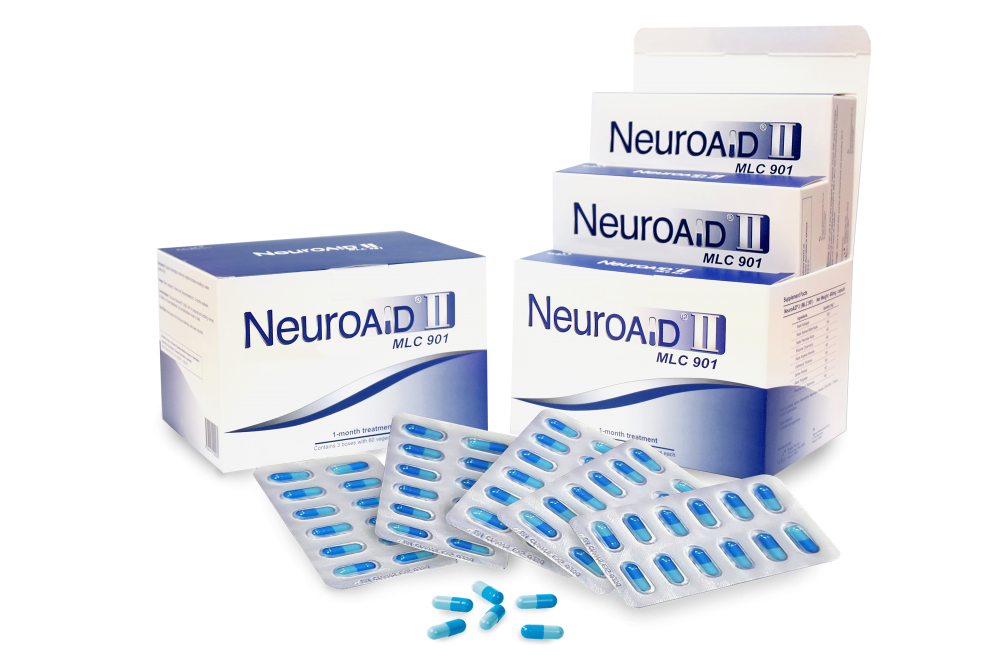
If you would like more information about NeuroAiD II, please complete this contact form.
"*" indicates required fields


