

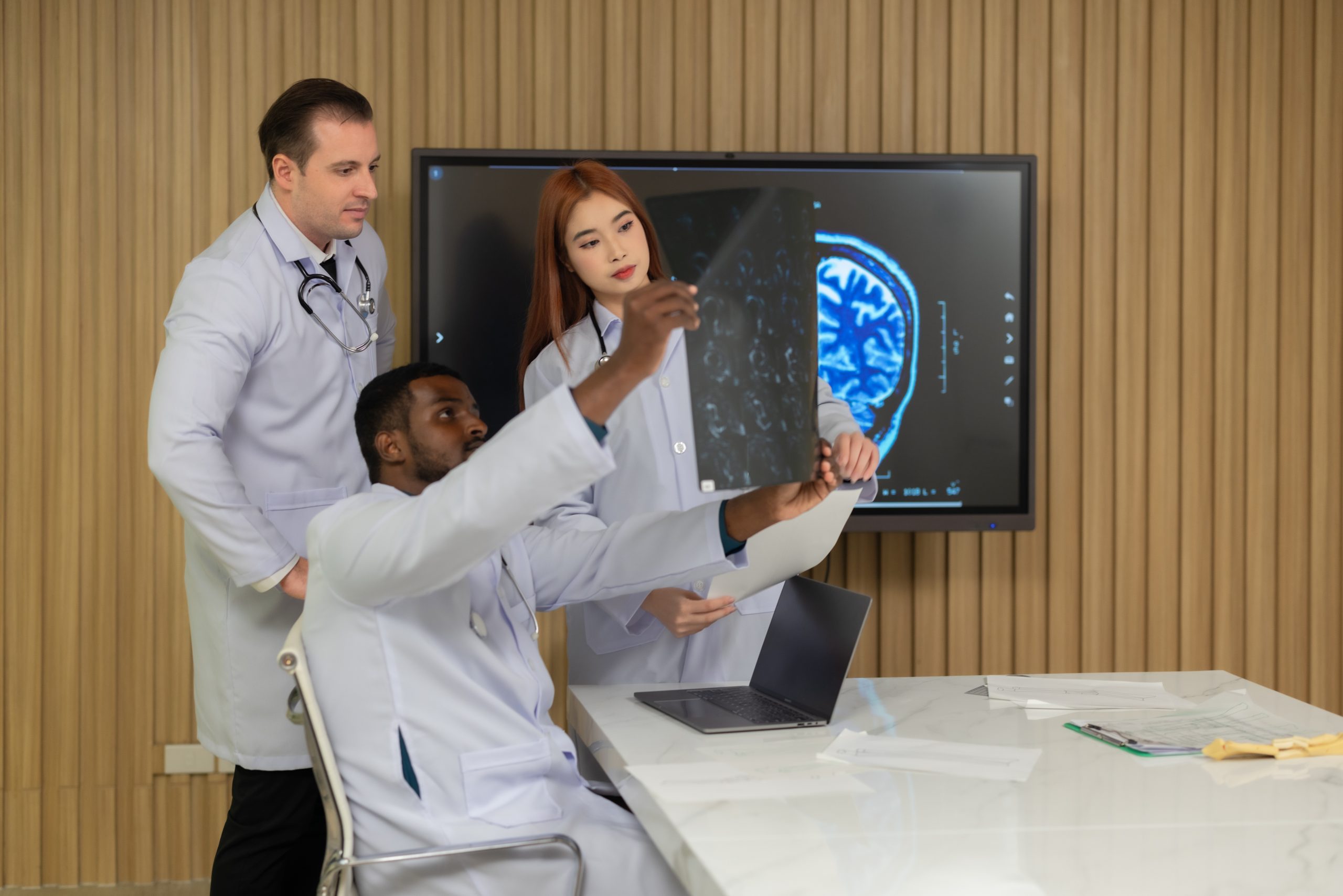

Thalamic syndrome, also known as Déjerine-Roussy syndrome, is a neurological disorder that occurs following damage to the thalamus, a deep brain structure responsible for processing and relaying much of the sensory information before it reaches the cerebral cortex.
The most common cause is stroke, particularly an infarction involving the arteries supplying the thalamus. However, it may also develop as a result of intracerebral hemorrhage, tumors, traumatic brain injury, or inflammatory diseases.
Although it may initially present with sensory loss, over time many patients develop severe and persistent pain known as central post-stroke pain, one of the most challenging neurological complications to treat.
What is the function of the thalamus?
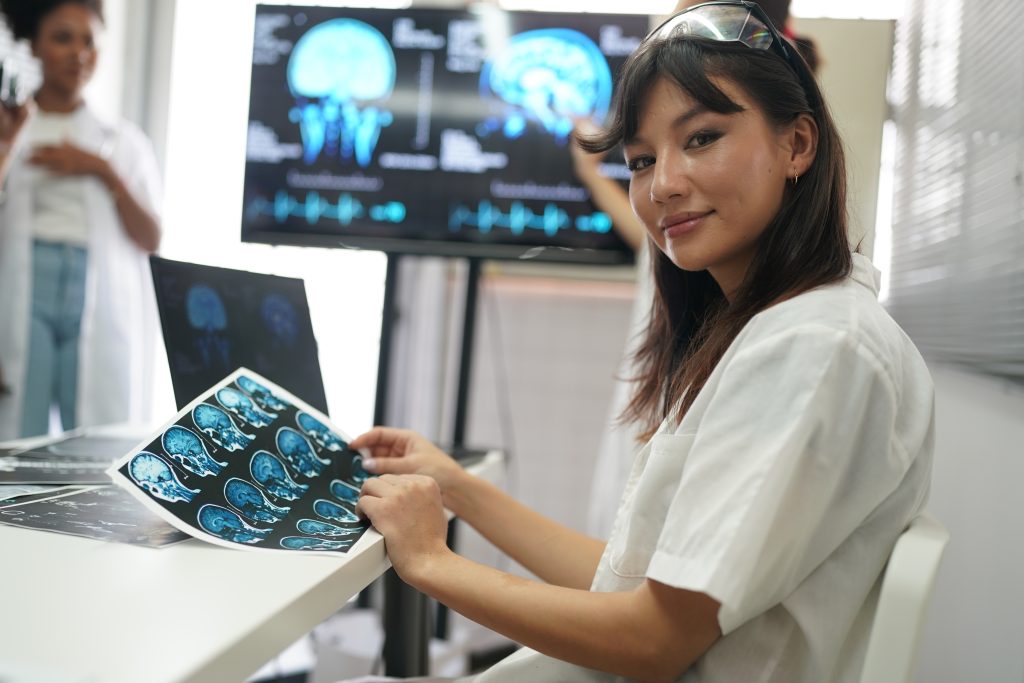
The thalamus acts as a major relay station in the brain. Nearly all sensory information from the body passes through this structure before reaching the cerebral cortex, where it is ultimately processed and interpreted.
Its main functions include:
- Processing sensations such as touch, temperature, and pain.
- Contributing to motor control.
- Regulating alertness and attention.
- Integrating information from different sensory systems.
- Contributing to processes related to memory and certain cognitive functions.
When the thalamus is damaged, these functions can be significantly impaired.
What causes thalamic syndrome?
Most cases occur following a thalamic infarction, typically caused by occlusion of small perforating arteries arising from the posterior cerebral artery.
Other less common causes include:
- Thalamic hemorrhage.
- Traumatic brain injury.
- Brain tumors.
- Multiple sclerosis.
- Vascular malformations.
- Infections or inflammatory processes.
The precise location of the damage within the thalamus influences the symptoms that each patient may develop.
Symptoms of thalamic syndrome
Symptoms typically occur on the side of the body opposite to the brain lesion and can vary considerably between patients.
The most common symptoms include:
Sensory disturbances
During the acute phase of stroke, patients commonly experience reduced or complete loss of sensation to touch, temperature, pain, or vibration.
Some patients may also have difficulty perceiving the position of their limbs without visual input, which can impair movement coordination.
Central post-stroke pain
Weeks or months after the stroke, severe, persistent pain may develop, often disproportionate to normally harmless stimuli.
Patients may describe the pain in different ways:
- Burning sensations.
- Electric shock-like sensations.
- Stabbing pain.
- Deep pain.
- Hypersensitivity to contact with clothing.
- Pain triggered by changes in temperature.
This pain does not originate in the body tissues themselves but results from damage to the neural pathways involved in sensory processing.
Motor disturbances
Although thalamic syndrome primarily affects sensory function, some patients may experience:
- Mild muscle weakness.
- Impaired motor coordination.
- Balance disturbances.
- Difficulty walking.
These manifestations are usually associated with extension of the lesion into adjacent brain structures.
Other symptoms
Depending on the region affected, other symptoms may include:
- Involuntary movements.
- Tremor.
- Visual disturbances.
- Difficulty concentrating.
- Fatigue.
- Emotional changes.
How is thalamic syndrome diagnosed?
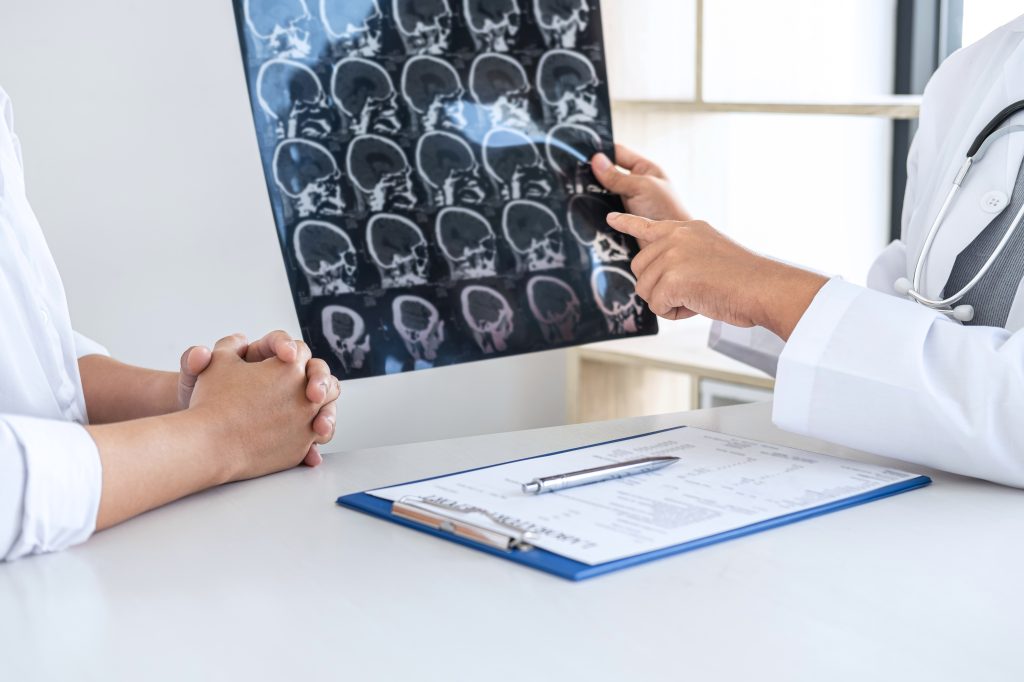
Diagnosis begins with a comprehensive neurological examination, with particular attention to sensory disturbances and the distribution of symptoms.
The most commonly used diagnostic tests include:
- Brain magnetic resonance imaging (MRI).
- Computed tomography (CT).
- CT angiography (CTA) or MR angiography (MRA) when a vascular cause is suspected.
- Neuropsychological assessment if cognitive impairment is present.
MRI enables precise localization of the thalamic lesion and helps differentiate it from other neurological disorders.
Treatment of thalamic syndrome
During the acute phase of stroke, the primary goal is to restore cerebral blood flow when possible and prevent further cerebrovascular complications.
Subsequent treatment generally focuses on:
- Management of cardiovascular risk factors.
- Physical rehabilitation.
- Occupational therapy.
- Balance and coordination rehabilitation.
- Management of central post-stroke pain using an individualized approach.
Thalamic pain can be particularly challenging to manage and requires specialist follow-up, as it does not always respond to conventional analgesics.
Prognosis
The clinical course varies considerably between patients. Initial sensory disturbances may partially improve during the first few months as a result of brain neuroplasticity and rehabilitation.
However, when central post-stroke pain develops, it may persist for years and have a significant impact on quality of life. The severity of the pain does not always correlate with the size of the brain lesion.
Early diagnosis and a multidisciplinary approach can help optimize functional recovery and improve symptom management.
The importance of thalamic syndrome
Thalamic syndrome highlights the fundamental role of the thalamus in sensory processing. A relatively small lesion in this structure can profoundly alter the perception of pain, touch, and temperature, affecting everyday activities such as walking, getting dressed, or holding an object.
Recognizing these symptoms following a stroke can facilitate early diagnosis and allow rehabilitation strategies to be initiated with the aim of improving the patient’s functional abilities and quality of life.
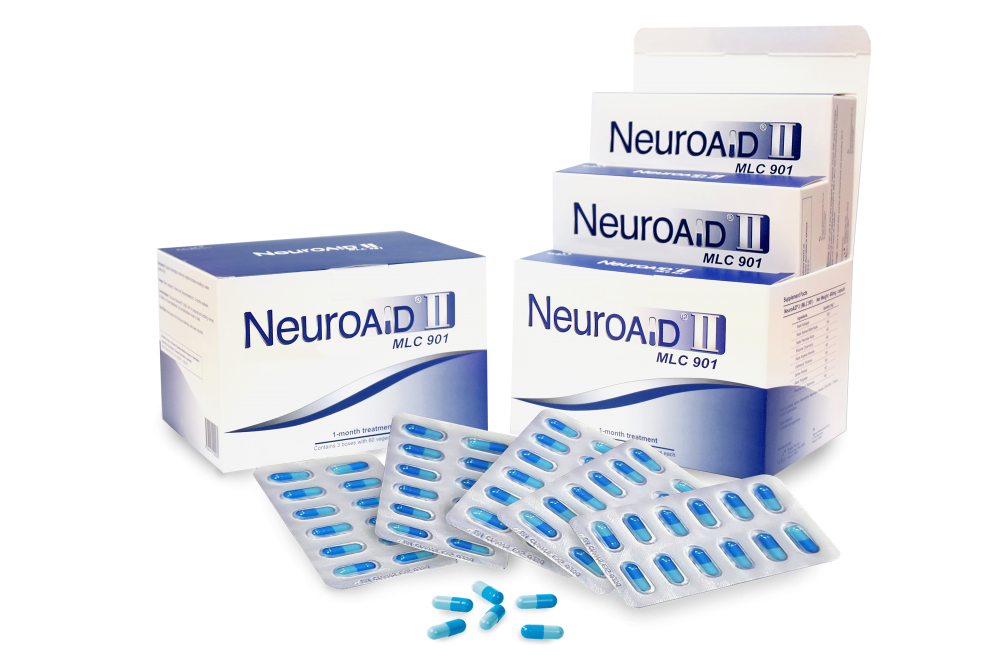
If you need information about NeuroAiD II, please complete this contact form
"*" indicates required fields


