



Vertebrobasilar infarction is a type of ischemic stroke that affects the posterior circulation of the brain. Although it accounts for a smaller proportion of all strokes, it can affect essential structures such as the brainstem, cerebellum, and occipital lobes, which are responsible for vital functions such as breathing, balance, vision, and consciousness.
Recognizing the symptoms of a vertebrobasilar infarction is essential, as some may be mistaken for less serious conditions, delaying diagnosis and treatment.
What is a vertebrobasilar infarction?

A vertebrobasilar infarction occurs when blood flow through the vertebral arteries or the basilar artery is interrupted. This interruption prevents certain areas of the brain from receiving the oxygen and nutrients they need to function properly.
In most cases, the blockage is caused by a blood clot (thrombus or embolus), although it can also result from an arterial dissection or significant narrowing of the blood vessels.
What structures does the vertebrobasilar system supply?
The vertebrobasilar system supplies blood to several essential regions of the brain, including:
- Brainstem.
- Cerebellum.
- Occipital lobes.
- Parts of the temporal lobes.
- Thalamus.
- Midbrain.
- Pons.
- Medulla oblongata.
These structures control vital functions, so an injury affecting this territory can have significant consequences.
Causes of vertebrobasilar infarction
There are several factors that can contribute to the development of this type of stroke.
The most common include:
- Atherosclerosis of the vertebral or basilar arteries.
- Emboli originating from the heart.
- Atrial fibrillation.
- Vertebral artery dissection.
- High blood pressure.
- Diabetes mellitus.
- High cholesterol.
- Smoking.
- Blood clotting disorders.
In younger people, vertebral artery dissection is a relatively common cause.
Symptoms of a vertebrobasilar infarction
Symptoms can vary considerably because the posterior circulation supplies blood to several different structures of the brain.
The most common signs include:
- Sudden onset of severe dizziness.
- Vertigo.
- Loss of balance.
- Difficulty walking.
- Double vision.
- Partial loss of vision.
- Difficulty speaking.
- Difficulty swallowing.
- Weakness on one or both sides of the body.
- Numbness of the face or limbs.
- Nausea and vomiting.
- Sudden headache.
- Drowsiness or decreased level of consciousness.
Not all patients experience the same symptoms, which can make the initial diagnosis more difficult.
Why can it be mistaken for other conditions?
Some symptoms, such as vertigo, nausea, or loss of balance, can also occur with inner ear disorders or vestibular problems.
However, when these symptoms appear suddenly and are accompanied by visual disturbances, difficulty speaking, or loss of strength, it is important to seek immediate medical attention to rule out a stroke.
Diagnosis
Diagnosis combines a neurological examination with imaging tests.
The most commonly used are:
- Computed tomography (CT).
- Magnetic resonance imaging (MRI).
- CT angiography (CTA).
- Magnetic resonance angiography (MRA).
- Doppler ultrasound of the vertebral arteries.
- Cardiac tests to identify possible embolic sources.
These tests help locate the obstruction and assess the extent of brain damage.
Treatment

Treatment depends on the time elapsed since the onset of symptoms and the patient’s individual characteristics.
Treatment options may include:
- Intravenous thrombolysis in selected patients.
- Mechanical thrombectomy when a large vessel occlusion is present.
- Blood pressure management.
- Treatment of complications.
- Prevention of recurrent strokes.
Prompt treatment is one of the most important factors influencing prognosis.
Possible long-term effects
The long-term effects of a vertebrobasilar infarction depend on the area affected and the extent of brain damage.
The most common include:
- Balance problems.
- Coordination problems.
- Difficulty walking.
- Visual disturbances.
- Difficulty swallowing.
- Muscle weakness.
- Persistent fatigue.
- Cognitive impairments.
- Speech difficulties.
In the most severe cases, when the brainstem is extensively affected, serious neurological complications may occur.
Can it be prevented?
Although not all cases can be prevented, managing cardiovascular risk factors can help reduce the risk of vertebrobasilar infarction.
The main recommendations include:
- Keeping blood pressure under control.
- Managing diabetes.
- Lowering high cholesterol.
- Avoiding smoking.
- Engaging in regular physical activity.
- Following a balanced diet.
- Limiting alcohol consumption.
- Following prescribed treatments correctly.
These measures also help reduce the risk of other types of stroke.
Conclusion
Vertebrobasilar infarction is a type of stroke that affects the posterior circulation of the brain and can compromise essential functions such as balance, coordination, vision, and consciousness. Because its symptoms can be mistaken for those of other conditions, recognizing signs such as sudden-onset vertigo, double vision, or difficulty speaking is essential for seeking urgent medical attention.
Early diagnosis, timely treatment, and a rehabilitation program tailored to each patient’s needs are key to improving functional recovery and quality of life after this type of stroke.
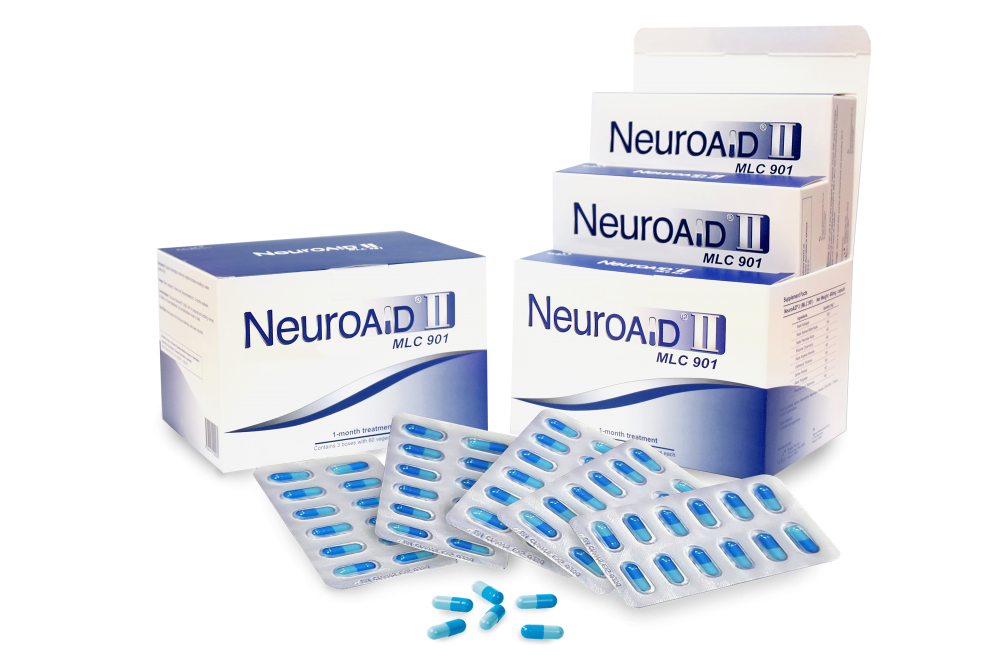
If you need information about NeuroAiD II, please complete this contact form
"*" indicates required fields


