


The vertebrobasilar system is one of the major arterial networks responsible for supplying blood to the brain. Although strokes affecting this circulation are less common than those occurring in the anterior circulation, they can be particularly complex because it supplies blood to structures essential for vital functions, including the brainstem, cerebellum, and parts of the occipital lobes.
Understanding how the vertebrobasilar system works and recognizing the symptoms of a disturbance can be key to identifying a stroke early and receiving prompt medical attention.
What is the vertebrobasilar system?

The vertebrobasilar system consists of two vertebral arteries that ascend along both sides of the neck and join at the base of the skull to form the basilar artery.
The basilar artery gives rise to multiple branches that supply different structures of the brain, forming what is known as the posterior circulation.
This system works together with the carotid arteries to ensure a continuous supply of blood to the brain.
What structures does it supply?
The vertebrobasilar system supplies oxygenated blood to areas that are essential for numerous neurological functions.
These include:
- Brainstem.
- Cerebellum.
- Occipital lobes.
- Parts of the temporal lobes.
- Thalamus.
- Medulla oblongata.
- Pons.
- Midbrain.
These structures are involved in essential functions such as breathing, balance, coordination, vision, and level of consciousness.
What happens when blood flow is disrupted?
When a vertebral artery or the basilar artery becomes blocked, the supply of oxygen to brain tissue is reduced.
Depending on the blood vessel affected, injuries of varying severity may occur. In some cases, symptoms may be mild and transient, while in others, severe neurological deficits may develop and require immediate treatment.
The time elapsed before blood flow is restored can directly influence the patient’s outcome.
Symptoms of a vertebrobasilar stroke
Symptoms can vary widely because the vertebrobasilar system supplies multiple structures with different functions.
The most common manifestations include:
- Sudden, severe dizziness.
- Vertigo.
- Loss of balance.
- Difficulty walking.
- Double vision.
- Partial loss of vision.
- Difficulty speaking.
- Difficulty swallowing.
- Weakness on one or both sides of the body.
- Facial or body numbness.
- Severe nausea and vomiting.
- Altered level of consciousness.
In some patients, the symptoms may initially be mistaken for inner ear disorders, which can delay diagnosis.
Why are these arteries so important?
The brainstem controls vital functions such as:
- Breathing.
- Heart rate.
- Blood pressure.
- Level of alertness.
- Eye movements.
- Swallowing.
For this reason, extensive damage involving the vertebrobasilar system can be life-threatening.
Most common causes
The main causes of stroke in the vertebrobasilar circulation include:
- Atherosclerosis.
- Cardiac embolism.
- Vertebral artery dissection.
- High blood pressure.
- Diabetes mellitus.
- High cholesterol.
- Smoking.
- Blood clotting disorders.
In younger people, arterial dissection is a relatively common cause.
How is it diagnosed?
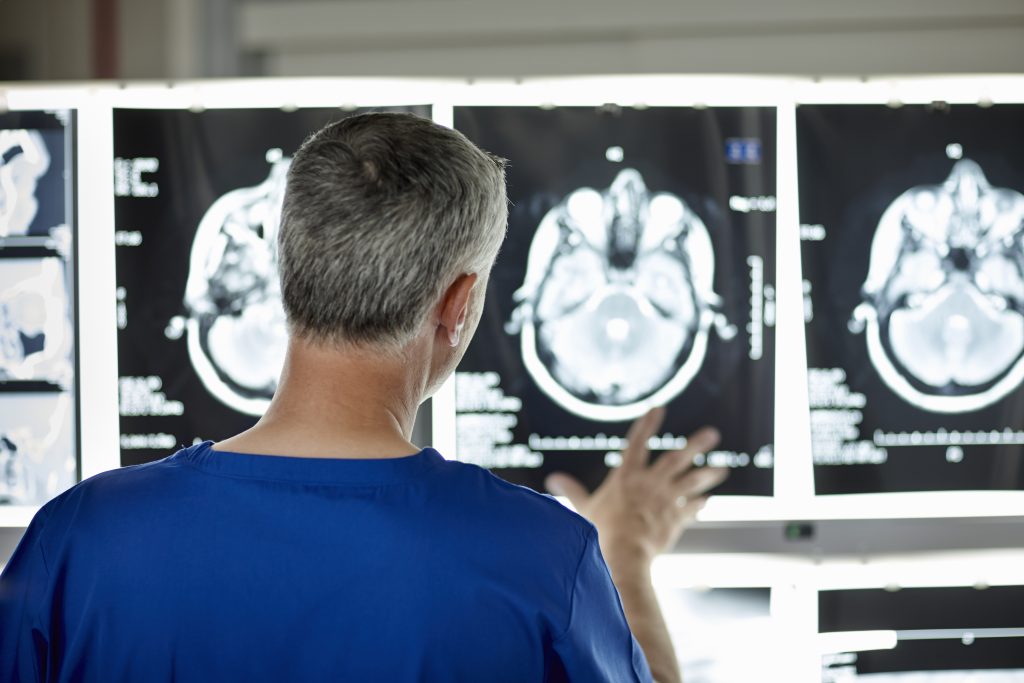
Diagnosis combines a neurological examination with various imaging tests.
The most commonly used tests include:
- Computed tomography (CT).
- Magnetic resonance imaging (MRI).
- CT angiography (CTA).
- Magnetic resonance angiography (MRA).
- Doppler ultrasound of the vertebral arteries.
- Cardiac investigations when an embolic source is suspected.
These tests help identify the location of the blockage and assess the extent of brain damage.
Treatment
Treatment depends on the type of stroke and the time elapsed since symptom onset.
The main treatment options include:
- Intravenous thrombolysis in selected patients.
- Mechanical thrombectomy when a large-vessel occlusion is present.
- Blood pressure management.
- Management of complications.
- Hospitalization in a specialized stroke unit.
Prompt initiation of treatment can significantly improve the prognosis.
Possible long-term effects
The consequences vary depending on the region affected and the severity of the brain injury.
Some of the most common long-term effects include:
- Balance problems.
- Coordination problems.
- Difficulty walking.
- Visual disturbances.
- Dysphagia.
- Muscle weakness.
- Sensory disturbances.
- Persistent fatigue.
- Cognitive difficulties.
In the most severe cases, locked-in syndrome may occur, a rare condition with a major impact on functional independence.
Rehabilitation
Rehabilitation is an essential part of the recovery process.
Depending on the long-term effects, it may include:
- Physiotherapy to improve balance and mobility.
- Occupational therapy to improve independence in daily activities.
- Speech and language therapy to address speech and swallowing difficulties.
- Vestibular rehabilitation for persistent vertigo.
- Neuropsychological rehabilitation to address cognitive impairments.
- Psychological support for the patient and their family.
Recovery is often gradual and may continue for several months.
Prevention
The best way to reduce the risk of a vertebrobasilar stroke is to manage the main cardiovascular risk factors.
Preventive measures include:
- Keeping blood pressure under control.
- Managing diabetes.
- Lowering cholesterol.
- Avoiding smoking.
- Engaging in regular physical activity.
- Maintaining a balanced diet.
- Limiting alcohol consumption.
- Properly managing heart conditions when present.
These measures can help reduce the risk of stroke in both the posterior circulation and other regions of the brain.
Conclusion
The vertebrobasilar system plays an essential role in brain function by supplying blood to structures responsible for balance, coordination, vision, and vital functions such as breathing and level of consciousness. Although strokes affecting this circulation are less common than those involving the anterior circulation, they can be particularly severe due to the critical regions involved.
Recognizing symptoms such as sudden severe vertigo, loss of balance, double vision, or difficulty speaking can help ensure immediate medical attention, increasing the chances of limiting brain damage and promoting better recovery.
If you would like more information about NeuroAiD II, please complete this contact form.
"*" indicates required fields


