

The posterior cerebral artery (PCA) is one of the major blood vessels responsible for supplying the posterior regions of the brain. Although strokes affecting this artery are less common than those involving the middle cerebral artery, they can cause significant impairments in vision, memory, and other neurological functions.
Understanding the role of the posterior cerebral artery and the symptoms associated with its injury can facilitate the early recognition of stroke and help ensure prompt medical attention.
What is the posterior cerebral artery?
The posterior cerebral artery is one of the terminal branches of the basilar artery and forms part of the vertebrobasilar system. After its origin, it courses around the midbrain and divides into multiple branches that supply various structures of the brain.
Its vascular territory is primarily located in the posterior regions of the cerebral hemispheres.
What areas does it supply?
The posterior cerebral artery supplies blood to several key areas of the nervous system, including:
- Occipital lobe.
- Inferior surface of the temporal lobe.
- Thalamus (via some of its branches).
- Midbrain.
- Hippocampus.
- Primary visual cortex.
- Part of the splenium of the corpus callosum.
These structures are involved in functions related to vision, memory, and sensory information processing.
Functions of the posterior cerebral artery
Thanks to the blood supply provided by the posterior cerebral artery, the brain can perform essential functions such as:
- Processing visual information.
- Recognizing colors and shapes.
- Interpreting images.
- Contributing to memory formation.
- Integrating visual information with other cognitive functions.
- Maintaining the function of certain deep brain structures.
When blood flow through this artery is interrupted, these functions may be partially or completely impaired.
What happens when it becomes blocked?
An obstruction of the posterior cerebral artery reduces the supply of oxygen and nutrients to brain tissue.
If blood flow is not restored promptly, neurons begin to sustain damage, potentially resulting in a cerebral infarction within the territory supplied by this artery.
The severity will depend on:
- The location of the occlusion.
- The size of the affected vessel.
- The time elapsed before treatment is received.
- The presence of collateral circulation.
Symptoms of a posterior cerebral artery stroke
The clinical manifestations often differ from those observed in other types of stroke.
The most common symptoms include:
- Partial loss of the visual field.
- Blurred vision.
- Loss of vision on one side of the visual field (homonymous hemianopia).
- Difficulty recognizing objects.
- Difficulty recognizing faces.
- Memory impairment.
- Confusion.
- Dizziness.
- Headache.
- Numbness or weakness when deep brain structures are also affected.
In some patients, muscle strength remains relatively preserved, which may delay diagnosis when visual symptoms predominate.
Visual disturbances
Involvement of the visual cortex is one of the most characteristic features of posterior cerebral artery strokes.
Depending on the affected area, the following may occur:
- Homonymous hemianopia.
- Quadrantanopia.
- Difficulty reading.
- Impaired motion perception.
- Difficulty distinguishing colors.
- Visual agnosia.
These impairments can significantly interfere with activities such as driving, reading, or moving around safely.
Memory impairment
When the stroke affects the medial temporal lobe or the hippocampus, memory-related problems may develop.
Some patients may experience:
- Difficulty remembering recent events.
- Difficulty learning new information.
- Temporal disorientation.
- Difficulty navigating familiar places.
The severity of these symptoms depends on the extent of the lesion.
How is it diagnosed?
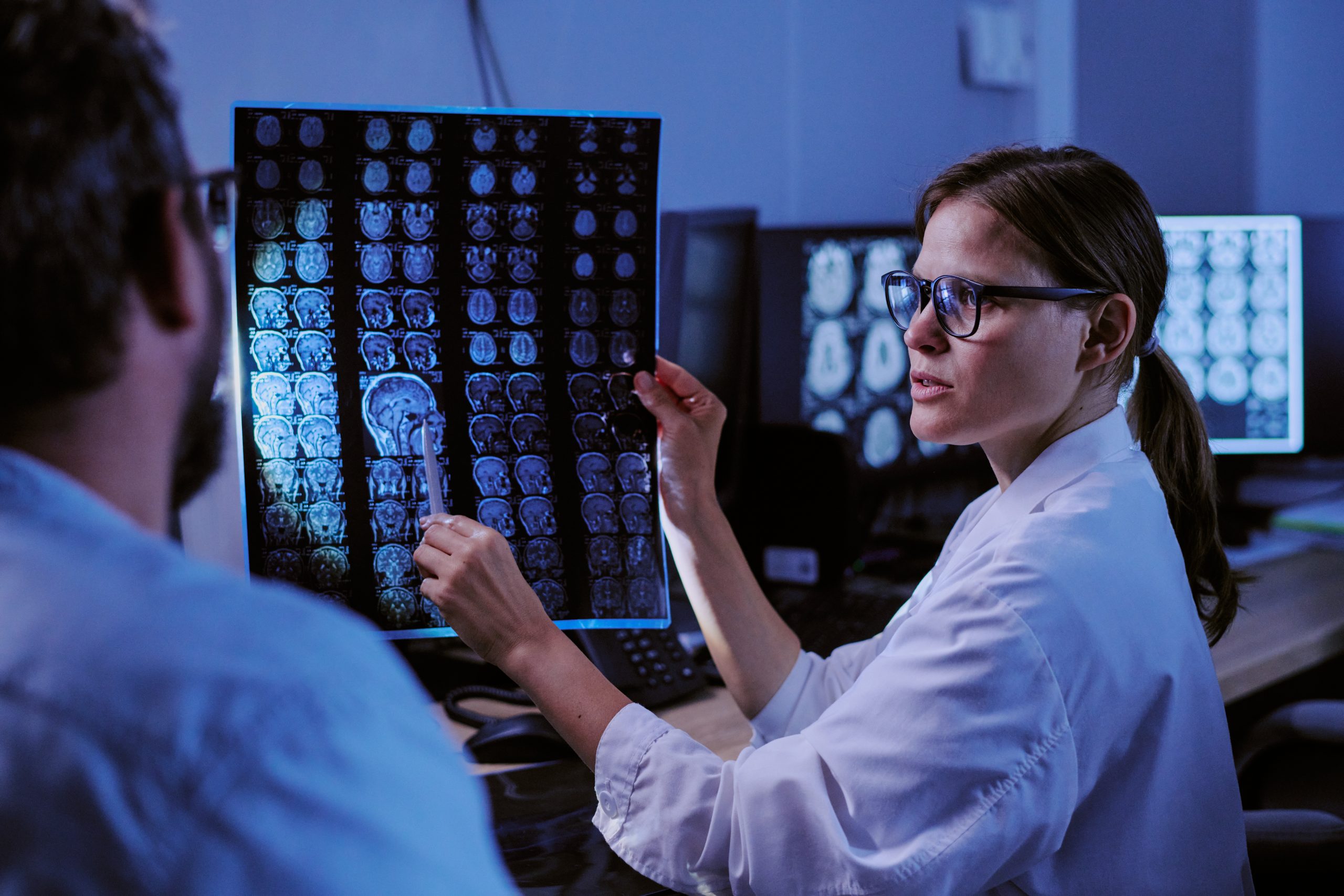
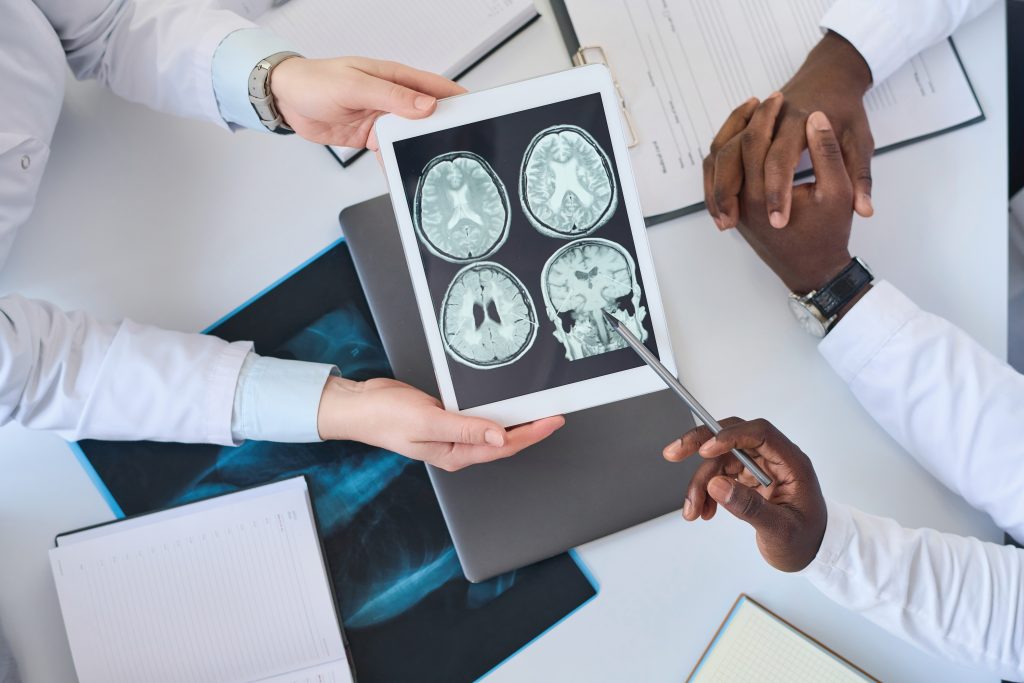
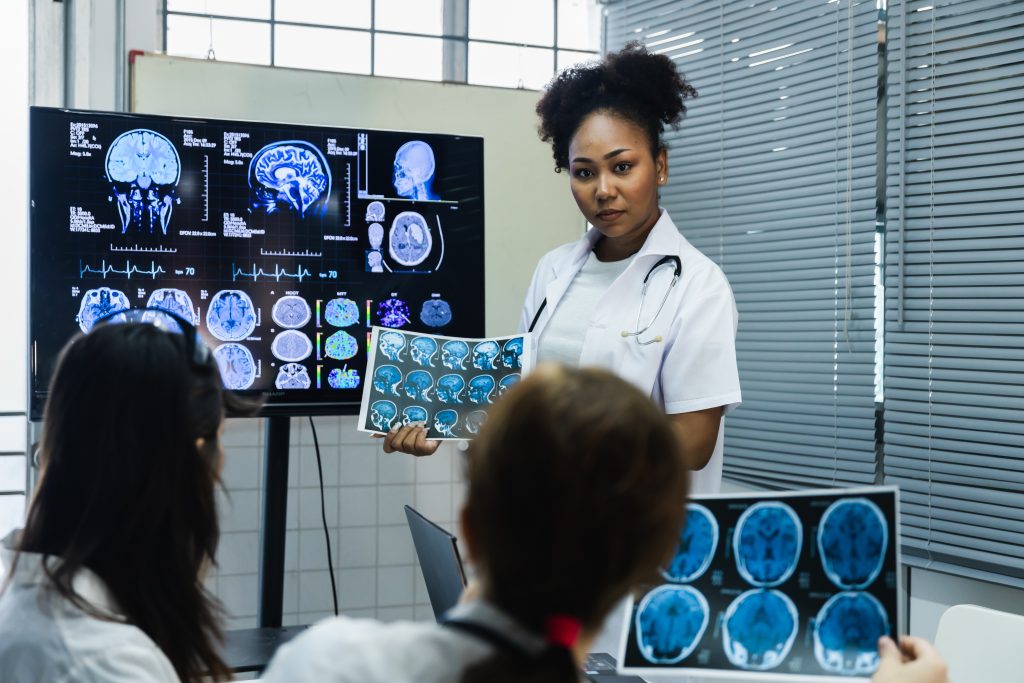
The diagnosis is based on neurological examination and various imaging studies.
The main diagnostic tests include:
- Computed tomography (CT).
- Magnetic resonance imaging (MRI).
- CT angiography (CTA).
- Magnetic resonance angiography (MRA).
- Vascular studies.
- Ophthalmological assessment when visual symptoms predominate.
These tests help identify the affected vessel and assess the extent of brain damage.
Treatment
Treatment will depend on the type of stroke and the time elapsed since symptom onset.
The main therapeutic options include:
- Intravenous thrombolysis in selected patients.
- Mechanical thrombectomy when indicated.
- Blood pressure management.
- Prevention of complications.
- Management of cardiovascular risk factors.
Prompt treatment can significantly reduce the extent of brain damage.
Possible sequelae
The sequelae vary considerably depending on the affected brain region.
The most common include:
- Permanent visual deficits.
- Memory impairment.
- Difficulty with spatial orientation.
- Cognitive impairment.
- Fatigue.
- Balance disorders.
- Neuropathic pain in some cases.
- Limitations in activities of daily living.
Many patients need to adapt their environment to compensate for persistent visual impairments.
Rehabilitation
Rehabilitation plays a fundamental role in functional recovery.
Depending on the patient’s needs, it may include:
- Visual rehabilitation.
- Physiotherapy.
- Occupational therapy.
- Neuropsychological rehabilitation.
- Cognitive training.
- Speech and language therapy when associated impairments are present.
- Psychological support.
Neuroplasticity allows other areas of the brain to partially compensate for some lost functions, particularly when rehabilitation is initiated early.
Prevention
Prevention of strokes affecting the posterior cerebral artery is similar to that of other types of stroke.
The main recommendations include:
- Controlling high blood pressure.
- Maintaining healthy cholesterol levels.
- Managing diabetes.
- Avoiding smoking.
- Engaging in regular physical activity.
- Following a balanced diet.
- Treating cardiac conditions such as atrial fibrillation.
- Adhering to prescribed treatments.
Conclusion
The posterior cerebral artery is essential for normal brain function, as it supplies regions involved in vision, memory, and various cognitive functions. A stroke affecting this vascular territory typically presents with characteristic visual disturbances, although it may also impair memory and other neurological functions.
Recognizing these symptoms and seeking urgent medical attention can increase the likelihood of receiving early treatment and help limit brain damage. Subsequently, individualized rehabilitation can contribute to functional recovery and improve the patient’s quality of life.
If you need information about NeuroAiD II, you can fill out this contact form
"*" indicates required fields


