

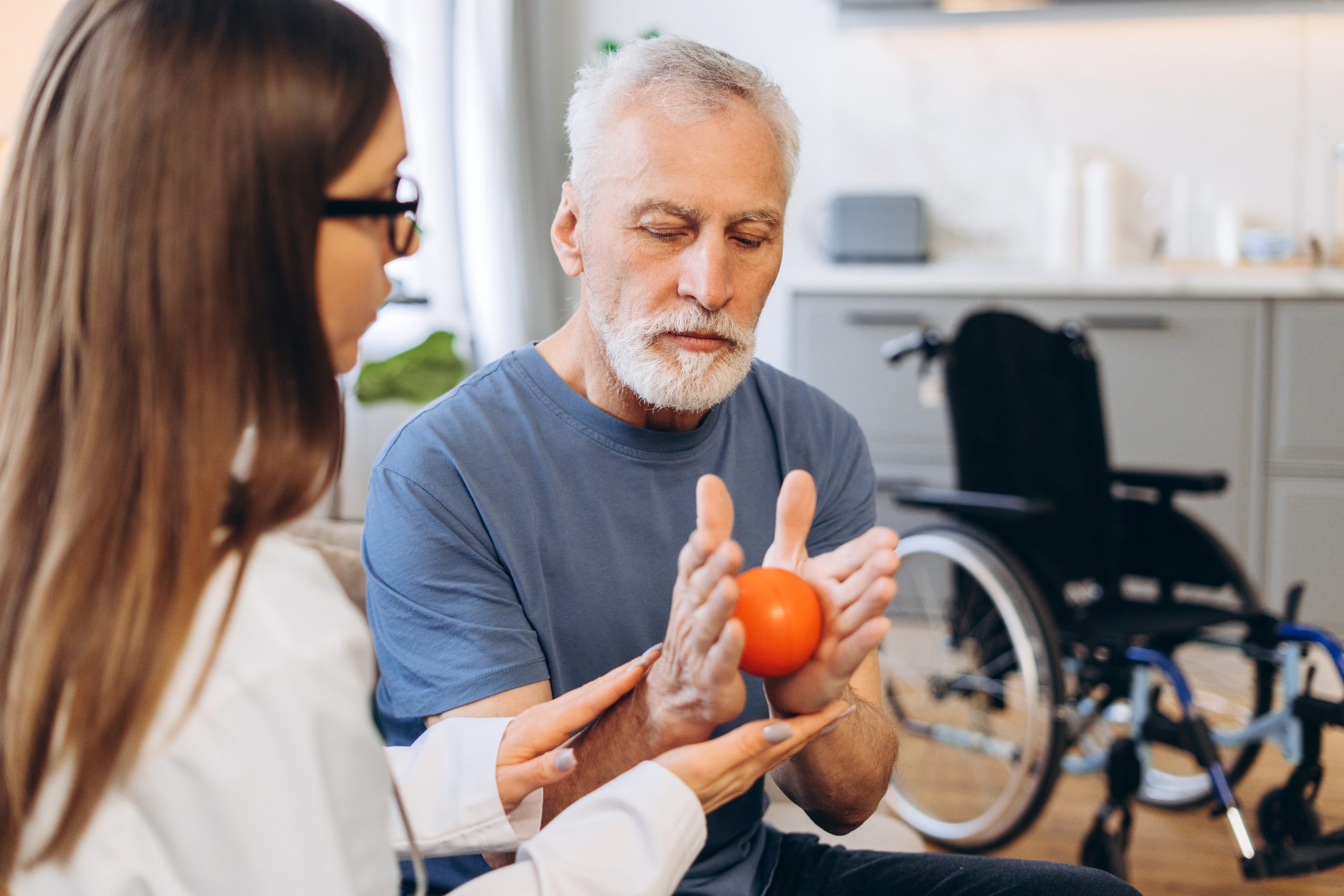

The ability to walk is one of the main concerns for people who have experienced a stroke. Partial or complete loss of mobility can significantly affect a patient’s independence, quality of life, and confidence. However, thanks to advances in neurological rehabilitation, many people are able to walk again after a stroke and regain a significant degree of independence.
The recovery process is different for each patient and depends on multiple factors, including the severity of the stroke, the resulting impairments, and the intensity of the rehabilitation program.
Why can a stroke affect the ability to walk?
A stroke occurs when part of the brain does not receive sufficient blood flow or when bleeding occurs in the brain. As a result, the areas of the brain responsible for movement may be damaged.
When this happens, symptoms such as the following are common:
- Muscle weakness on one side of the body.
- Loss of coordination.
- Balance problems.
- Muscle spasticity.
- Difficulty controlling voluntary movements.
These impairments can make it difficult or temporarily prevent a person from walking independently.
Is it possible to walk again after a stroke?
Walking again after a stroke is possible for some patients, although the degree of recovery can vary considerably. Recovery depends on factors such as the severity of the stroke, the area of the brain affected, the resulting impairments, and the individual response to rehabilitation.
The nervous system has an adaptive capacity known as neuroplasticity, which allows certain functions to be partially reorganized following a brain injury. Through this capacity and rehabilitation, some patients experience improvements in mobility and may regain the ability to walk to varying degrees.
However, not everyone achieves the same level of recovery, so it is important to maintain realistic expectations and follow the recommendations of the medical and rehabilitation team.
Factors influencing recovery
Each patient’s recovery is unique. Some factors that may influence the ability to walk again after a stroke include:
Severity of the stroke
Mild strokes are generally associated with faster recovery, while more severe strokes may require longer rehabilitation periods.
Location of the brain lesion
The affected areas of the brain play a key role in motor recovery.
Age and overall health status
Although people of any age can improve, good pre-stroke physical health may support functional recovery.
Early initiation of rehabilitation
Early rehabilitation is generally associated with better outcomes and a greater likelihood of regaining the ability to walk.
The role of physiotherapy
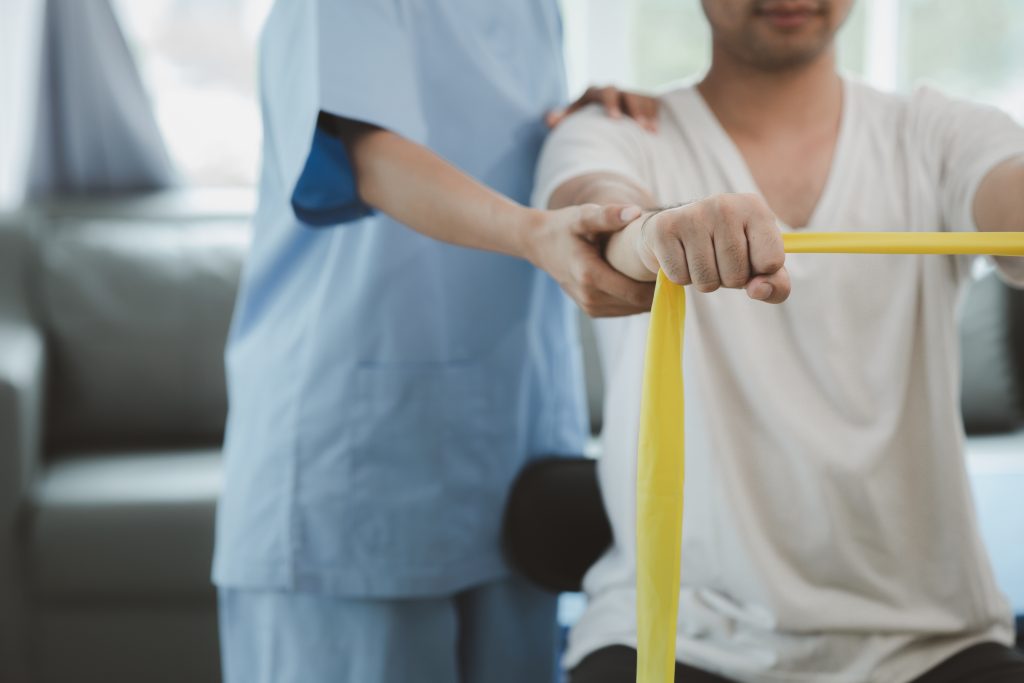
Physiotherapy is one of the most important approaches for people seeking to walk again after a stroke.
Treatment typically includes exercises aimed at:
- Strengthening muscles.
- Improving balance.
- Regaining coordination.
- Correcting gait abnormalities.
- Increasing physical endurance.
Physiotherapists design individualized rehabilitation programs tailored to the specific needs of each patient.
Learning to walk again
In some cases, the process may begin with very basic activities, such as sitting correctly or standing with support.
As recovery progresses, the patient may advance to:
- Transfers between a chair and bed.
- Weight-bearing exercises.
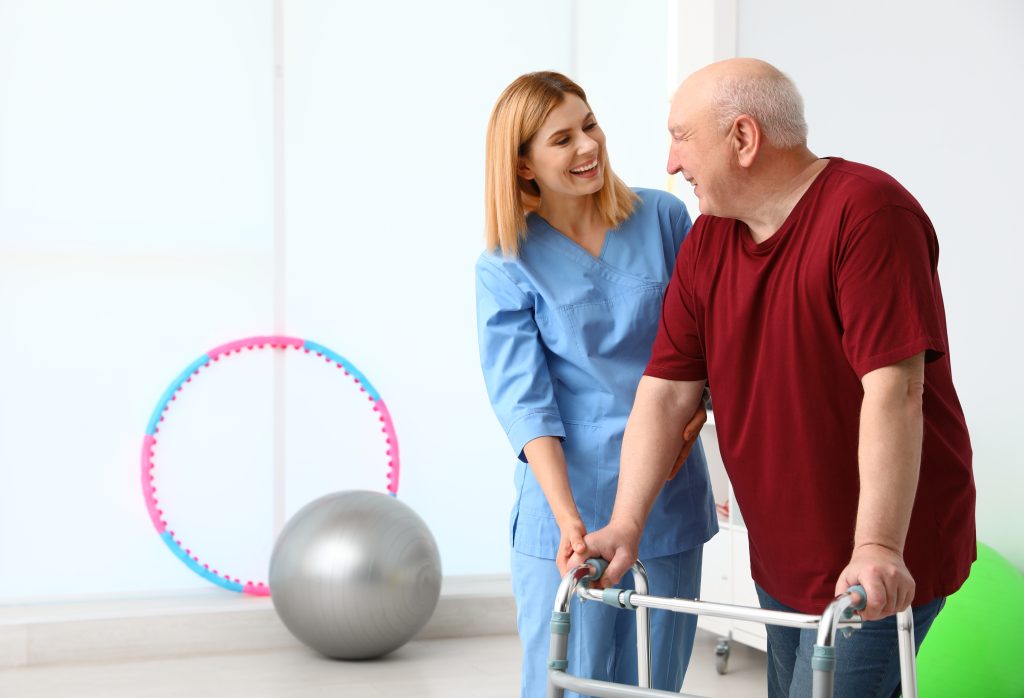
- Assisted walking.
- Use of assistive devices.
- Independent walking.
Progression is usually gradual and requires consistency and patience.
Walking aids
During rehabilitation, some patients may benefit from the temporary or permanent use of assistive devices.
The most commonly used include:
- Canes.
- Crutches.
- Walkers.
- Ankle-foot orthoses.
These devices can help improve stability and reduce the risk of falls while mobility is being regained.
The importance of daily practice
Repetition is a key element in neurological recovery. Regularly practising functional movements helps the brain strengthen new neural connections and improve motor control.
For this reason, many rehabilitation programs include exercises that can be performed both in a rehabilitation setting and at home under professional supervision.
Consistency is often one of the factors that has the greatest influence on long-term outcomes.
Emotional aspects of recovery
Loss of mobility can lead to frustration, anxiety, or discouragement. It is normal for some people to experience difficult moments during the rehabilitation process.
Having support from family members, mental health professionals, and the rehabilitation team can help maintain motivation and cope with the challenges of recovery.
Celebrating each achievement, no matter how small it may seem, can help build confidence and strengthen commitment to rehabilitation.
How long does recovery take?
There is no exact timeframe for walking again after a stroke. Some people regain the ability to walk within a few weeks, while others may require several months or even years of rehabilitation.
Recovery is often most pronounced during the first few months, but many people continue to improve over longer periods through consistent practice and ongoing rehabilitation programs.
Conclusion
Walking again after a stroke is possible for many people, although the degree of recovery can vary considerably from one patient to another. Factors such as the severity of the stroke, the resulting impairments, the timing of rehabilitation, and the individual response to treatment can influence recovery. While some people regain the ability to walk independently, others may require assistive devices or support to move around. Following an appropriate rehabilitation program and the recommendations of the medical team are essential to maximize recovery potential and improve quality of life.
If you need information about NeuroAiD II, please complete this contact form
"*" indicates required fields


