


The difference between aphasia and dysarthria is essential for understanding the various neurological disorders that affect communication. Although both impair the ability to express oneself verbally, they have very different origins, clinical characteristics, and treatments. Understanding this distinction is key for healthcare professionals, caregivers, and patients facing these conditions.
What is aphasia?
Aphasia is a language disorder caused by brain damage, usually in the left hemisphere, that affects a person’s ability to understand, speak, read, or write. It is common after a stroke, although it can also result from traumatic brain injury, brain tumors, or neurodegenerative diseases.
There are several types of aphasia, such as:
-
Broca’s aphasia (non-fluent): difficulty speaking, but relatively preserved comprehension.
-
Wernicke’s aphasia (fluent): fluent speech with incoherent content and impaired comprehension.
-
Global aphasia: severely affects all areas of language.
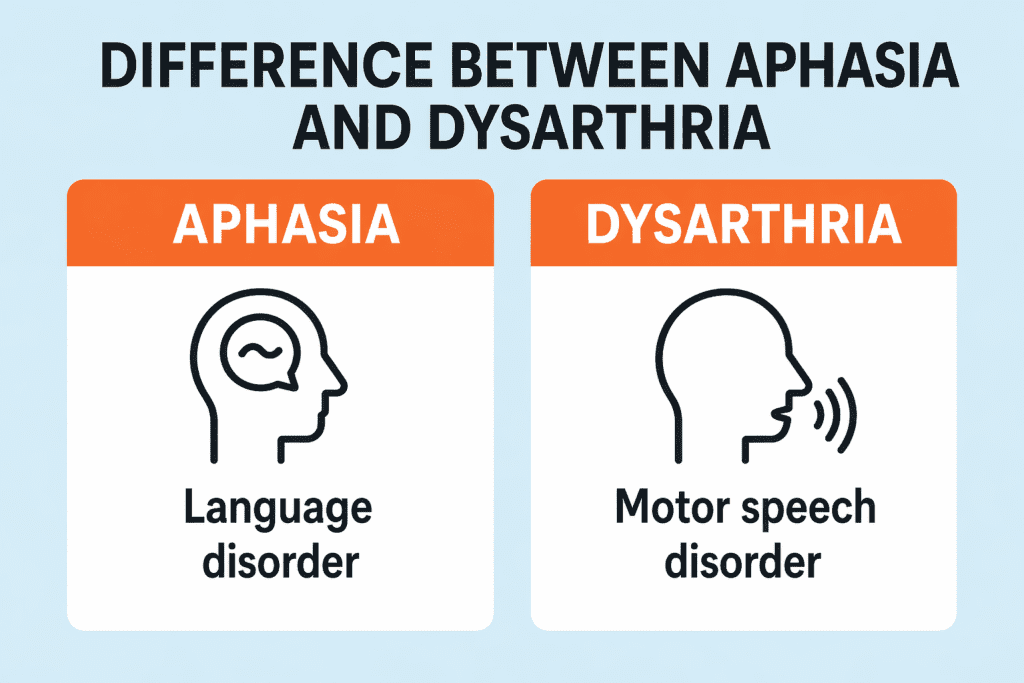
Most importantly, aphasia affects language itself, not the muscles involved in speech.
What is dysarthria?
Dysarthria, on the other hand, is a motor speech disorder. In this case, the difficulty lies in the muscles used for speaking. The problem is not language or comprehension, but the physical execution of speech. This may be due to weakness, slowness, or lack of coordination in the muscles of the mouth, tongue, larynx, or diaphragm.
Dysarthria can be caused by neurological conditions such as:
-
Parkinson’s disease
-
Amyotrophic lateral sclerosis (ALS)
-
Stroke
-
Traumatic brain injuries
-
Cerebral palsy
The speech of a person with dysarthria may sound slurred, nasal, hoarse, monotone, or unintelligible, depending on the type and severity.
The difference between aphasia and dysarthria
Although they may seem similar at first glance, the difference between aphasia and dysarthria becomes clear when you understand which part of the speech process is affected.
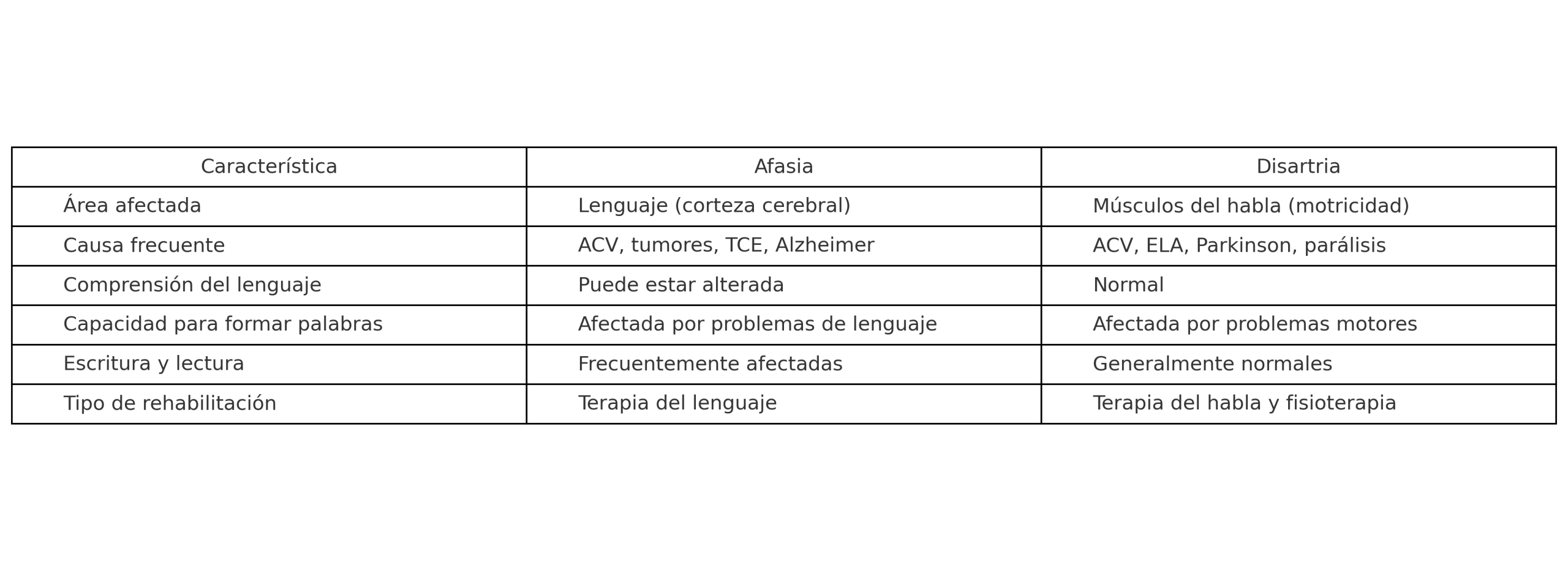
This table clearly summarizes the difference between aphasia and dysarthria, allowing for better clinical identification.
Diagnosis of aphasia and dysarthria
Diagnosis begins with a neurological and language assessment. In cases of aphasia, tests such as the Boston Diagnostic Aphasia Examination or the Western Aphasia Battery are used to evaluate comprehension, repetition, naming, and fluency.
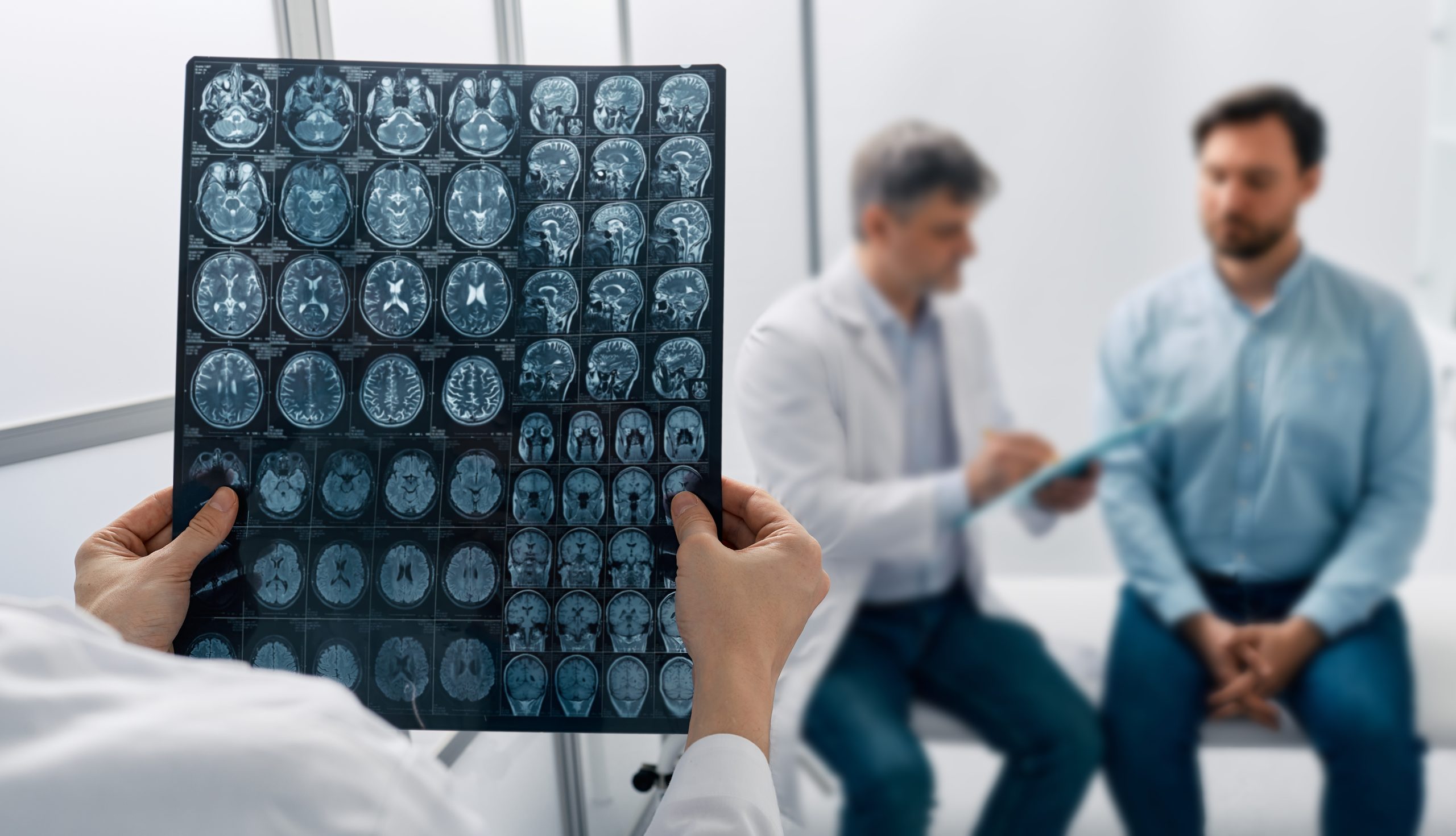
For dysarthria, diagnosis is based on clinical observation of speech, acoustic analysis, and assessment of orofacial muscles. It may include electromyography to study muscle activity or magnetic resonance imaging to identify the affected brain area.
Understanding the difference between aphasia and dysarthria allows for the establishment of an appropriate treatment from the outset.
Differentiated treatments
Since the difference between aphasia and dysarthria involves different causes, it also requires different therapeutic approaches.
-
Aphasia: treatment focuses on language therapy. The goal is to improve the patient’s ability to find words, construct sentences, and understand instructions. The use of alternative communication systems such as pictograms or mobile applications can be helpful in severe cases.
-
Dysarthria: here the focus is on the muscles. Speech therapy aims to strengthen the musculature, improve breathing, and enhance articulation. In some cases, electronic devices are used to amplify the voice or facilitate communication.
Both disorders require patience, family support, and consistency. Understanding the difference between aphasia and dysarthria also helps the patient’s environment communicate in a more empathetic and effective way.
Mixed cases
There are situations where a patient presents both aphasia and dysarthria at the same time, as occurs in some extensive strokes or advanced neurodegenerative diseases. In these cases, the work of an interdisciplinary team becomes even more relevant.
A typical example may be a person with Broca’s aphasia and spastic dysarthria, who has difficulty both formulating language and articulating it. In such cases, therapy must address both aspects simultaneously and in a coordinated manner.
Beyond the clinical aspects, the difference between aphasia and dysarthria also has distinct emotional consequences.
-
People with aphasia may feel frustrated because they cannot express what they think, even though they understand everything.
-
People with dysarthria usually have intact ideas but cannot convey them clearly, which can lead to isolation.
In both cases, self-esteem may be affected, so psychological and social support is crucial. Education of the family and professional environment is also key to achieving inclusive communication.
Conclusion
Understanding the difference between aphasia and dysarthria is essential for an accurate diagnosis and effective treatment. While aphasia affects language itself, dysarthria impacts the physical mechanisms that produce it. Both conditions significantly alter communication, but their causes, treatments, and challenges are different.
Correctly identifying whether a patient has aphasia, dysarthria, or both is the first step toward effective intervention. Likewise, educating those around the patient about this difference can greatly improve their quality of life.
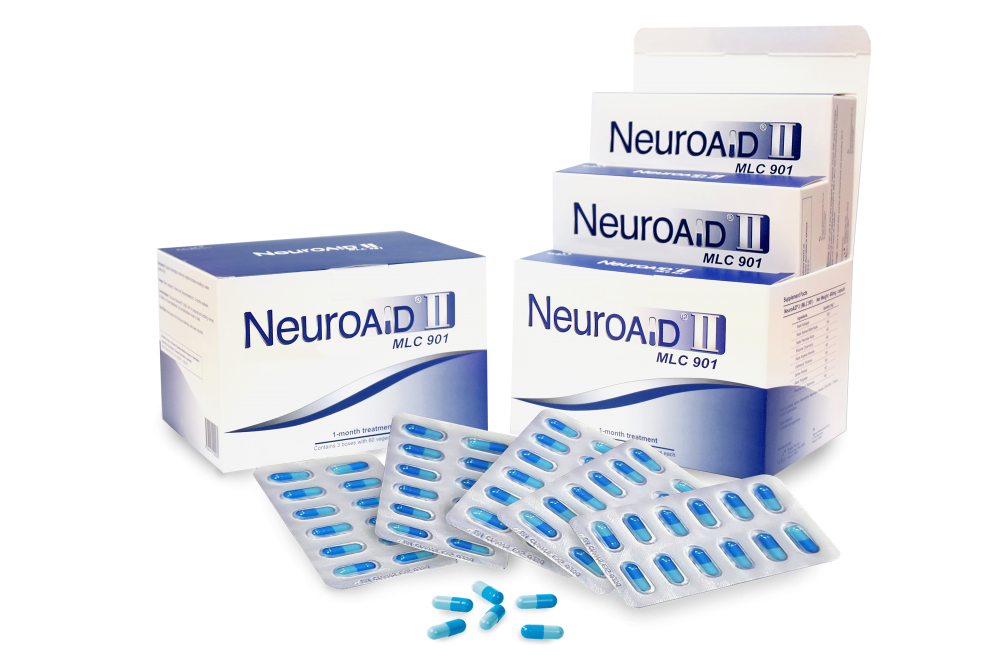
If you would like more information about NeuroAiD II, please fill out this contact form.
"*" indicates required fields


