




Swallowing is a complex process that involves multiple anatomical structures and neuromuscular functions. It is divided into several phases, each playing a specific role in ensuring the safe transport of food from the oral cavity to the stomach. One of the most important stages is the oral preparatory phase, in which the food bolus is formed before the actual swallowing process begins. When this phase is impaired, oral preparatory stage dysphagia occurs, a disorder that may have serious consequences for the patient’s nutritional and respiratory health.
What is the oral preparatory stage?
The oral preparatory stage is the first phase of the swallowing process. During this stage, food is introduced into the oral cavity, chewed, mixed with saliva, and formed into a cohesive and lubricated bolus, ready to be transported toward the pharynx. This phase is not strictly voluntary, as it involves automatic coordination between multiple muscles and structures such as the lips, tongue, jaw muscles, and salivary glands.
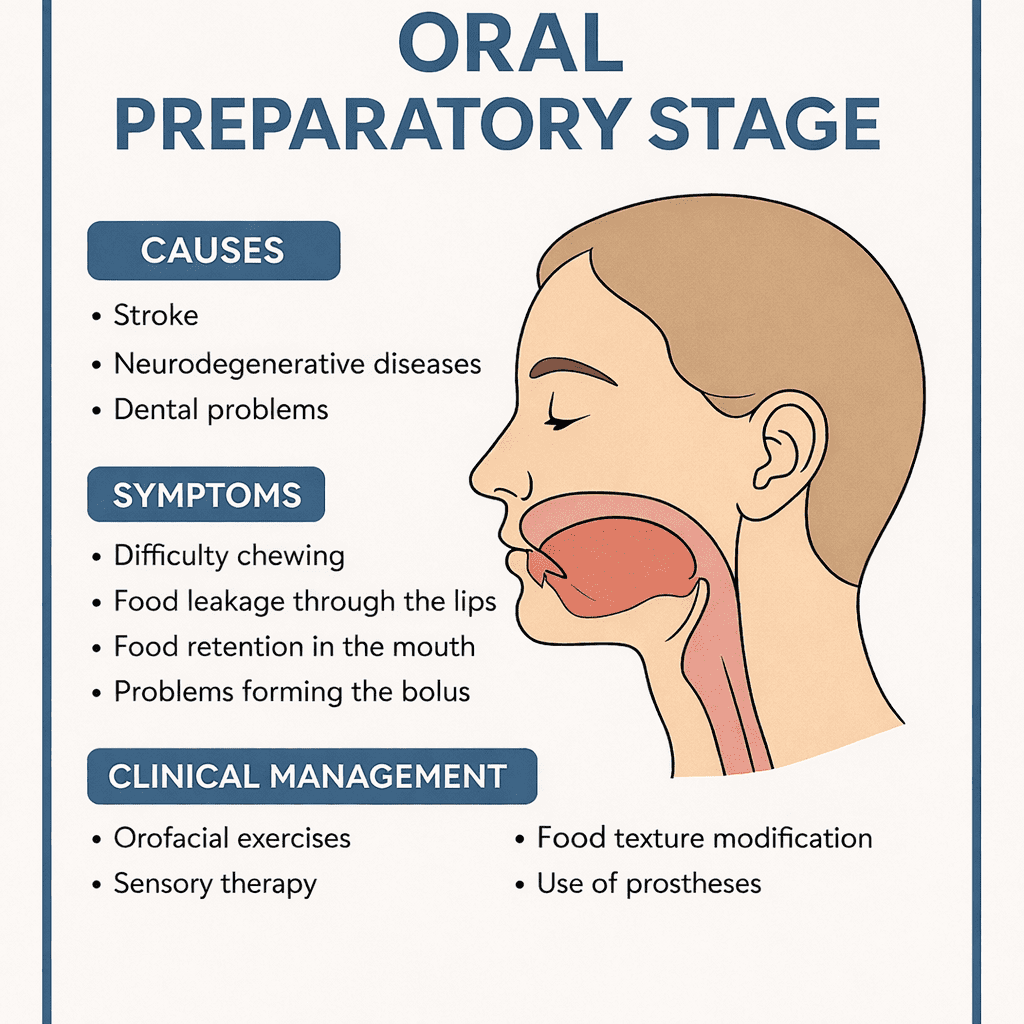
In individuals with functional swallowing, this stage occurs without difficulty. However, in certain patients, particularly those with neurological or muscular conditions, this phase may be impaired, leading to what is known as oral preparatory stage dysphagia.
Clinical features of oral preparatory stage dysphagia
Oral preparatory stage dysphagia presents with a variety of signs and symptoms depending on the type of underlying impairment. The most common include:
-
Difficulty with effective mastication
-
Food leakage from the labial commissures
-
Food retention between the gums and the cheeks
-
Difficulty forming a cohesive bolus
-
Sensation of food residue dispersed within the oral cavity
-
Need for multiple attempts to initiate swallowing
These manifestations are often more evident with solid or dry food textures, as they require greater mastication and saliva production. In severe cases, even liquids may be difficult to manage within the oral cavity.
Causes of oral preparatory stage dysphagia
The causes of oral preparatory stage dysphagia can be multiple, although in most cases they are associated with neurological, muscular, or structural disorders. Some of the most common causes include:
-
Stroke: one of the leading causes of dysphagia overall. When a stroke affects cortical or subcortical areas involved in oral motor control, it may compromise the efficiency of the oral preparatory phase.
-
Neurodegenerative diseases: conditions such as Parkinson’s disease, amyotrophic lateral sclerosis (ALS), or Alzheimer’s disease can progressively impair the fine motor coordination required in this phase.
-
Muscle disorders: myopathies or muscular dystrophies can reduce the strength and endurance of the masticatory and lingual muscles
-
Oral cancer and its treatments: tumors affecting the tongue, palate, or mandible, as well as the effects of radiotherapy, may alter mobility and sensory function within the oral cavity
-
Dental problems or missing teeth: inefficient mastication due to tooth loss can also be a contributing factor to oral preparatory stage dysphagia
Clinical assessment and diagnosis
The diagnosis of oral preparatory stage dysphagia requires a multidisciplinary evaluation. The speech and language therapist plays a key role in identifying clinical signs through direct observation and functional assessments. Some of the tools used include:
-
Clinical swallowing assessment (CSA): allows evaluation of the management of different food consistencies, lingual mobility, mastication, and bolus formation
-
Videofluoroscopic swallowing study (VFSS): although primarily used to assess later phases, it can also provide information on the efficiency of the oral phase
-
Fiberoptic endoscopic evaluation of swallowing (FEES): in cases where complications in later phases are suspected, this test can complement the diagnosis
Qualitative analysis of lingual, labial, and mandibular activity allows determination of whether oral preparatory stage dysphagia is an isolated issue or part of a broader dysphagia involving other phases
Clinical consequences of oral preparatory stage dysphagia
Often underestimated, oral preparatory stage dysphagia can have significant consequences. The inability to form a cohesive bolus may lead to inefficient swallowing and an increased risk of penetration or aspiration, particularly when food enters the pharynx in an uncoordinated manner.
Additionally, patients may experience:
-
Malnutrition: avoidance of solid foods due to fear or difficulty reduces caloric and protein intake
-
Dehydration: if the difficulty extends to liquids, the patient may reduce fluid intake
-
Social isolation: embarrassment or anxiety related to eating in public may lead to avoidance of social meals
-
Silent aspiration: although typically associated with pharyngeal phases, inadequate oral preparation can trigger aspiration events that go unnoticed
Therapeutic intervention
The management of oral preparatory stage dysphagia is based on an individualized approach aimed at restoring function or compensating for limitations. Some strategies include:
-
Orofacial exercises: aimed at strengthening the muscles of the tongue, cheeks, lips, and jaw. These may include resistance exercises with tongue depressors, blowing tasks, lingual protrusion, among others.
-
Sensory therapy: tactile or thermal stimulation to enhance oral sensory perception
-
Dietary modification: adaptation of food textures (minced, pureed, thickened liquids) to facilitate bolus formation
-
Use of dental or intraoral prostheses: to improve mastication or compensate for labial seal deficiencies
-
Compensatory techniques: body positioning, double swallow, or specific strategies to facilitate bolus transport
In many cases, treatment should be complemented by involvement of a dentist, neurologist, and nutritionist to address the disorder from all its dimensions.
Prevention and follow-up

Prevention of oral preparatory stage dysphagia is not always possible, especially in progressive diseases. However, early monitoring measures can be implemented to detect any initial signs of deterioration. Regular assessments, patient and caregiver education, and an appropriate diet can help prevent major complications.
Conclusion
Oral preparatory stage dysphagia is a condition that can profoundly affect a person’s quality of life. Although it often goes unnoticed, it has a direct impact on swallowing efficiency and patient feeding safety. Early identification, proper assessment, and a multidisciplinary therapeutic approach are essential to prevent complications such as malnutrition, aspiration, and social isolation. Recognizing the importance of this initial phase of swallowing is key to providing comprehensive care for individuals with this type of dysphagia.
If you would like more information about NeuroAiD II, please fill out this contact form.
"*" indicates required fields


