


A stroke affecting the temporal lobe is a type of cerebrovascular event that involves a brain region essential for functions such as language, memory, auditory comprehension, and emotional processing. Depending on the precise location of the lesion and the extent of brain damage, a temporal lobe stroke may cause neurological impairments that significantly affect the patient’s communication abilities and daily functioning.
Recognizing the symptoms of a temporal lobe stroke and seeking immediate medical attention are essential to minimizing neurological deficits and improving the chances of recovery.
What is the temporal lobe?

The temporal lobes are located on both sides of the brain, approximately at the level of the ears. These brain regions are involved in several essential cognitive and sensory functions.
Their primary functions include:
-
Language comprehension.
-
Auditory processing.
-
Short-term and long-term memory.
-
Recognition of people and objects.
-
Emotional regulation.
-
Interpretation of auditory information.
When a stroke affects the temporal lobe, some of these functions may become temporarily or permanently impaired.
What causes a temporal lobe stroke?
A temporal lobe stroke can occur due to an interruption of blood flow to the affected brain region or as a result of intracerebral hemorrhage.
Ischemic stroke
It is the most common type of stroke. It occurs when an artery supplying blood to the temporal lobe becomes obstructed by a blood clot or an atherosclerotic plaque.
Hemorrhagic stroke
A hemorrhagic stroke occurs when a blood vessel ruptures, causing bleeding within the brain tissue.
The main risk factors include:
-
Arterial hypertension.
-
Diabetes mellitus.
-
Hypercholesterolemia.
-
Atrial fibrillation.
-
Smoking.
-
Obesity.
-
Physical inactivity.
-
Excessive alcohol consumption.
Symptoms of a temporal lobe stroke
The symptoms of a temporal lobe stroke may vary depending on the affected cerebral hemisphere and the severity of the brain lesion.
Language comprehension difficulties
When a stroke affects the language-dominant hemisphere, typically the left hemisphere, receptive aphasia, also known as Wernicke’s aphasia, may develop. In these cases, individuals may retain normal hearing but experience significant difficulties understanding the meaning of spoken words.
Memory impairments
Memory is one of the cognitive functions most closely associated with the temporal lobe. A stroke affecting this region may lead to difficulties recalling recently acquired information or learning and retaining new information.
Difficulty recognizing sounds
Some patients may experience difficulties correctly interpreting familiar sounds, even when their hearing remains intact.
Emotional changes
Damage to certain structures within the temporal lobe may lead to emotional disturbances, behavioral changes, or difficulties regulating emotional responses.
Difficulty recognizing people or objects
In some cases, patients may experience difficulties recognizing familiar faces or interpreting complex visual stimuli.
Epileptic seizures
Some patients may develop seizures following a temporal lobe stroke, particularly when the affected brain tissue becomes electrically hyperexcitable.
Diagnosis of a temporal lobe stroke

Early diagnosis is essential for initiating appropriate treatment.
Healthcare professionals typically use the following diagnostic assessments:
-
Comprehensive neurological examination.
-
Computed tomography (CT).
-
Magnetic resonance imaging (MRI).
-
Cerebral vascular imaging studies.
-
Laboratory tests.
These assessments help determine the precise location of brain injury and distinguish between ischemic and hemorrhagic stroke.
Treatment of a temporal lobe stroke
Treatment depends on the type of stroke and how quickly the patient receives medical attention.
In ischemic stroke, treatments aimed at restoring cerebral blood flow may be administered when the patient receives medical care within the appropriate time window after symptom onset.
In hemorrhagic stroke, the primary objective is to control bleeding and prevent further neurological complications.
Once the patient has been stabilized, the rehabilitation phase begins.
Recovery after a temporal lobe stroke
Recovery after a temporal lobe stroke typically requires a multidisciplinary approach.
Depending on the neurological impairments present, rehabilitation may involve:
-
Physical therapists.
-
Occupational therapists.
-
Speech-language pathologists.
-
Neuropsychologists.
-
Physical medicine and rehabilitation physicians.
When language difficulties are present, speech and language therapy is particularly important for restoring functional communication.
Memory impairments may also improve through targeted cognitive rehabilitation programs designed to strengthen preserved cognitive abilities.
Neuroplasticity enables other brain regions to partially compensate for impaired functions, particularly when rehabilitation begins early and is maintained consistently.
Prognosis after a temporal lobe stroke
The prognosis following a temporal lobe stroke depends on several factors, including the patient’s age, the extent of brain injury, how quickly treatment is initiated, and adherence to rehabilitation.
Many patients regain a significant proportion of their functional abilities during the first few months after a stroke, although some cognitive or language impairments may persist in the long term.
Conclusion
A temporal lobe stroke can affect essential functions such as memory, language comprehension, and auditory information processing. Early detection, prompt medical treatment, and an appropriate rehabilitation program are crucial for maximizing recovery.
With professional support and ongoing medical follow-up, many individuals who have experienced a temporal lobe stroke can significantly improve their quality of life and regain some of the abilities affected by the brain injury.
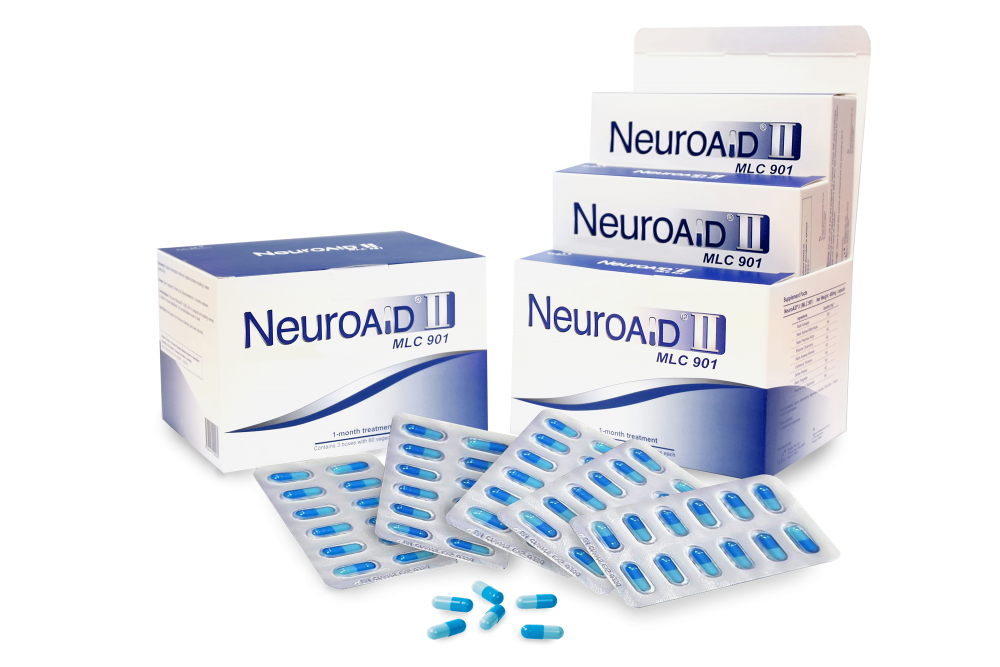
If you would like more information about NeuroAiD II, please complete this contact form.
"*" indicates required fields


