


A thalamic injury is damage affecting the thalamus, a structure located in the center of the brain that plays a role in important functions such as sensation, movement, attention, and alertness. Although it is not a common injury, it can cause a wide range of symptoms depending on the area affected and the underlying cause.
What is a thalamic injury?

The thalamus acts as a communication center between different areas of the brain. It receives much of the body’s sensory information and transmits it to the cerebral cortex for processing.
When this structure is damaged, functions related to sensation, movement, memory, or balance may be affected.
Causes
The most common causes of a thalamic injury include:
- Stroke.
- Cerebral hemorrhage.
- Traumatic brain injury.
- Brain tumors.
- Infections or inflammatory diseases.
Stroke is the most common cause, particularly in people with cardiovascular risk factors such as high blood pressure, diabetes, or high cholesterol.
Symptoms
Symptoms depend on the location and extent of the injury.
The most common include:
- Tingling or loss of sensation.
- Severe pain or a burning sensation.
- Weakness on one side of the body.
- Coordination problems.
- Balance problems.
- Difficulty concentrating or remembering information.
- Changes in mood.
In some cases, thalamic pain syndrome may develop, characterized by persistent pain that can appear weeks or months after the injury.
Diagnosis
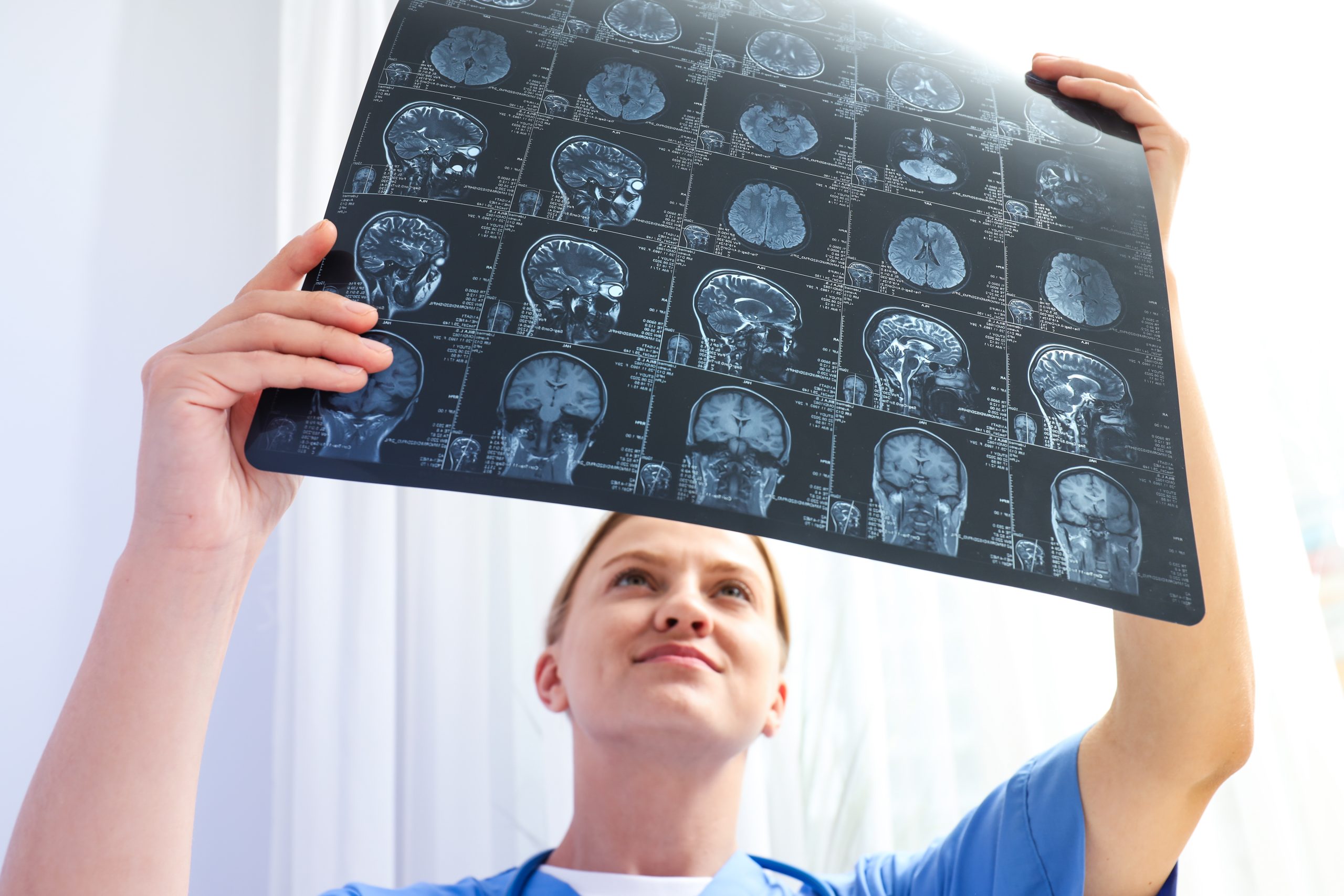
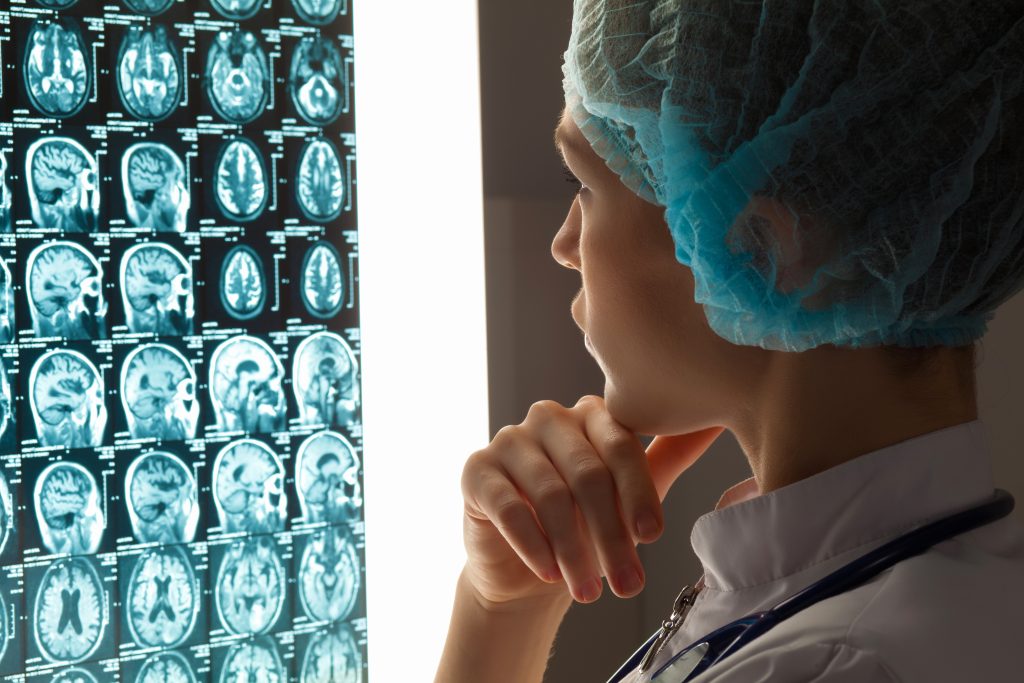
Diagnosis combines a neurological examination with imaging tests, mainly:
- Magnetic resonance imaging (MRI).
- Computed tomography (CT).
These tests help identify the location of the injury and guide the most appropriate treatment.
Treatment
Treatment depends on the underlying cause.
If the injury is caused by a stroke, the initial goal is to stabilize the patient and prevent further complications. Subsequently, treatment usually focuses on rehabilitation and managing risk factors.
In other cases, such as tumors or infections, treatment is tailored to the underlying condition.
Recovery
Recovery after a thalamic injury varies considerably from person to person.
Many patients experience gradual improvement through rehabilitation and the brain’s ability to reorganize some of its connections, a process known as neuroplasticity.
Recovery may benefit from:
- Physiotherapy.
- Occupational therapy.
- Speech therapy when there are difficulties with speaking or swallowing.
- Cognitive rehabilitation if memory or attention problems occur.
Recovery may continue for months and, in some cases, for years.
Prognosis
Prognosis depends on factors such as the cause and extent of the injury, the patient’s age, and how early rehabilitation treatment is initiated.
Although some people regain much of their function, others may experience persistent impairments that require ongoing support and medical follow-up.
Conclusion
A thalamic injury can affect multiple neurological functions due to the important role the thalamus plays in brain function. Early diagnosis, appropriate treatment of the underlying cause, and a tailored rehabilitation program can support recovery and improve quality of life for many patients.
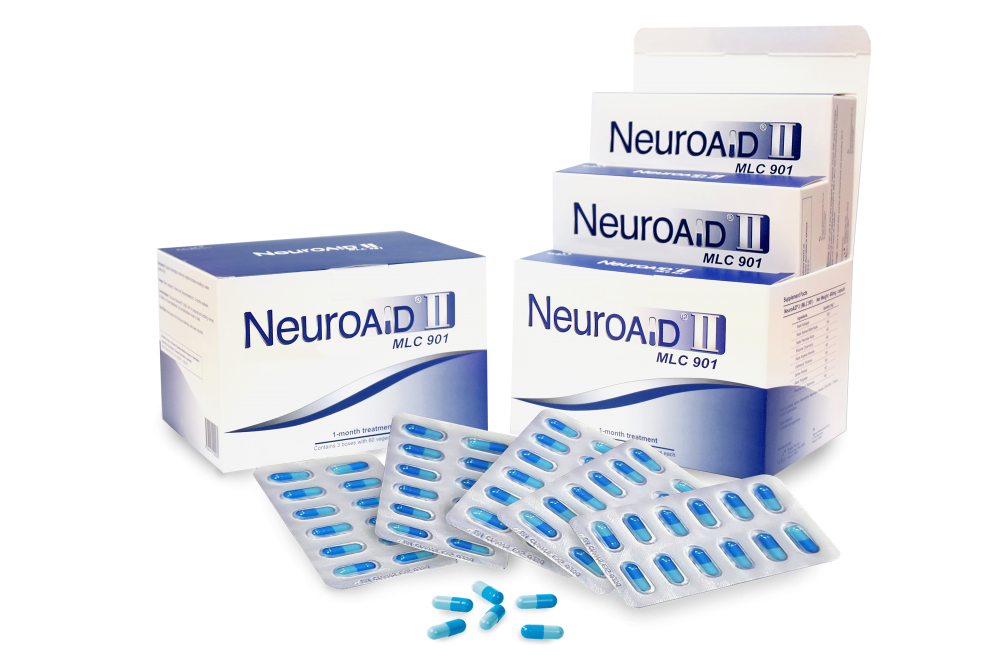
If you would like more information about NeuroAiD II, please complete this contact form
"*" indicates required fields


